
The skin around the eyes is delicate and sensitive. Frequent blinking, facial expressions, aging, sun exposure, and lifestyle habits can contribute to dryness, fine lines, changes in skin texture, and reduced firmness. As aesthetic technologies continue to develop, Fibroblast Plasma, also known as Plasma Fibroblast or Fibroblast Plasma Pen technology, has attracted attention for its potential applications in skin care. However, not every plasma beauty device is designed for use around the eyes. Before selecting a Fibroblast Plasma machine for eye-area treatments, it is important to understand how the technology works, which areas the device is intended for, and what safety requirements must be met.
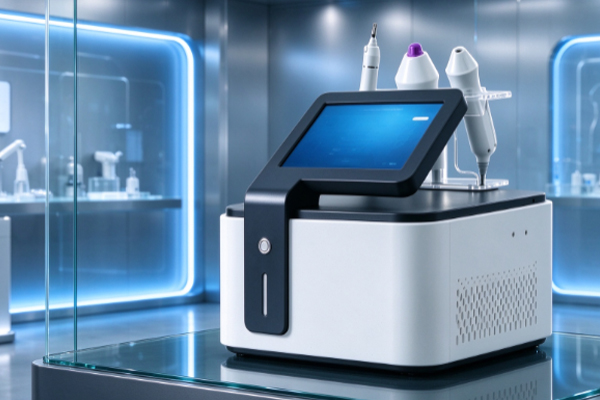
Can Fibroblast Plasma Be Used for Eye-Area Skin Care?
Fibroblast Plasma technology uses a controlled electrical discharge to produce localized energy and thermal effects near the skin surface. Depending on the device design and treatment protocol, this technology may be marketed for aesthetic applications involving fine lines, skin texture, and firmness. However, its suitability for the eye area depends on the specific device, its intended use, and the manufacturer’s safety instructions. The skin around the eyes is relatively thin, and the eyelids, lash lines, and surrounding ocular structures require particular care. Improper operation or unsuitable energy settings may cause thermal injury, pigmentation changes, scarring, or other complications. A device should only be used around the eyes when the manufacturer explicitly identifies the area as an intended treatment site and provides appropriate operating and safety guidance. The eyelid margins, lash roots, and areas close to the eyeball should never be assumed safe simply because a product is advertised as suitable for facial treatments.
Which Eye-Area Skin Concerns Are Associated with Fibroblast Plasma?
Interest in Fibroblast Plasma for eye-area care is often related to visible changes in skin texture and firmness. However, the appearance of a particular concern does not automatically mean that plasma treatment is suitable or likely to produce the desired result. The cause of the concern, the condition of the skin, the device’s intended use, and an individual’s suitability all need to be considered before treatment.
- Crow’s feet: Fine lines at the outer corners of the eyes may become more noticeable with repeated facial expressions and age-related skin changes. Any treatment decision should account for the sensitivity of the surrounding skin.
- Fine lines caused by dryness: Dehydrated skin may make superficial lines more visible. A suitable skin-care routine may help improve hydration, while energy-based treatments require a separate assessment of their benefits and risks.
- Changes in skin firmness: Some people explore aesthetic devices when the skin around the eyes appears less firm. The expected outcome depends on the cause and severity of the change, and results should not be guaranteed.
- Mild eyelid-area laxity: Loose-looking skin around the eyelids may prompt interest in non-surgical aesthetic options. However, not every plasma device is intended for eyelid treatment, and more pronounced laxity may require medical evaluation.
- Uneven skin texture: Fine surface irregularities may influence the appearance of the eye area. Treatment suitability must be assessed carefully because this region is particularly sensitive.
These concerns should be treated as reasons for professional assessment rather than proof that Fibroblast Plasma can resolve every eye-area issue. Persistent swelling, significant eyelid drooping, eye pain, or changes in vision require appropriate medical evaluation instead of cosmetic treatment.
Which Device Specifications Matter for Eye-Area Fibroblast Plasma Treatments?
When evaluating a Fibroblast Plasma machine for eye-area applications, buyers and practitioners should look beyond general marketing descriptions. Device specifications, treatment indications, safety documentation, and operator training all affect whether a model is appropriate for a particular application. Manufacturers may offer different plasma generators, electrode designs, output controls, pulse settings, and applicators. These differences can influence how the device is operated, but a particular feature alone does not establish that the machine is safe for use around the eyes. Before purchasing or using a device, verify the following details:
- Intended treatment area: Confirm that the exact model is explicitly designed or authorized for the proposed eye-area application under the relevant local requirements.
- Energy adjustment and output control: Check the available settings, adjustment procedure, and operating limits specified by the manufacturer. Do not assume that a wider adjustment range automatically means better performance.
- Applicator and electrode design: Review the handpiece structure, electrode configuration, contact or working distance requirements, and the manufacturer’s recommended technique.
- Safety instructions: Check contraindications, eye-protection requirements, warnings, treatment limitations, and recommended post-treatment care.
- Certification and documentation: Verify applicable registrations, certifications, labeling, and intended-use statements for the specific model and market.
- Training and after-sales support: Confirm that the supplier provides clear operating instructions, appropriate training, technical assistance, and access to replacement parts when needed.
If a manufacturer cannot provide sufficient documentation supporting the proposed eye-area use, the device should not be used for that application. Selecting equipment based on verifiable specifications and safety information is more reliable than relying on promotional claims alone.
What Risks and Precautions Should Be Considered When Using Fibroblast Plasma Around the Eyes?
The eye area requires careful assessment because the skin is delicate and the underlying structures are sensitive. Depending on the device and treatment method, potential complications may include burns, swelling, crusting, pigmentation changes, infection, delayed healing, and scarring. Improper use near the eyes may also create risks to ocular structures. The likelihood and severity of complications can vary with device design, energy settings, treatment density, operator technique, skin characteristics, and aftercare. Appropriate precautions include having the treatment area assessed by a qualified professional, following the manufacturer’s instructions, using the specified protective equipment, and avoiding unauthorized changes to treatment parameters. Operators should understand contraindications and know when treatment must be postponed or avoided. Aftercare should follow the device instructions and professional guidance, including appropriate skin protection and avoiding premature removal of crusts. People with significant eye bags, pronounced eyelid drooping, deep wrinkles, or other structural changes may need a clinical assessment to determine whether a cosmetic device is appropriate. Fibroblast Plasma should not be presented as a replacement for every medical or surgical option, and no specific result can be guaranteed.
How to Choose a Fibroblast Plasma Beauty Device for Eye-Area Care
Choosing a Fibroblast Plasma beauty device requires matching the equipment to the intended application rather than relying on broad claims such as skin rejuvenation or wrinkle reduction. For buyers, distributors, and aesthetic practitioners, the exact model’s documentation should be the starting point. Review the manufacturer’s intended-use statement, permitted treatment sites, operating parameters, contraindications, safety warnings, and applicable regulatory status. Compare the handpiece and electrode design, output controls, usability, maintenance requirements, training resources, and after-sales service. Ask the supplier to clarify whether eye-area use is explicitly supported for the model being considered and whether any restrictions apply to the eyelids or areas near the eyes. It is also important to distinguish between a device marketed for general facial use and one whose documentation specifically supports the intended eye-area application. If the proposed use is not clearly covered by the manufacturer’s instructions or local requirements, choose an alternative that has been assessed as appropriate for the individual’s needs. Careful device selection, qualified operation, realistic expectations, and attention to safety are essential when considering Fibroblast Plasma for eye-area skin care.





