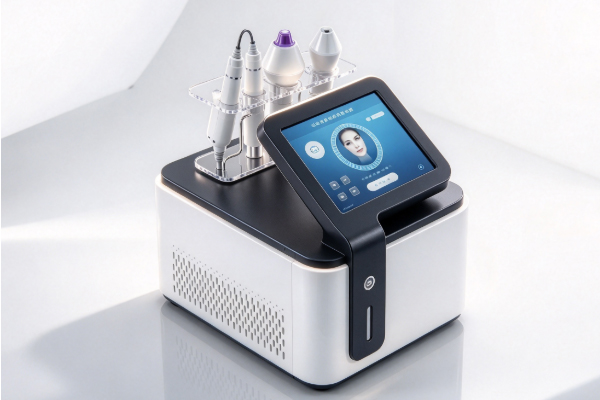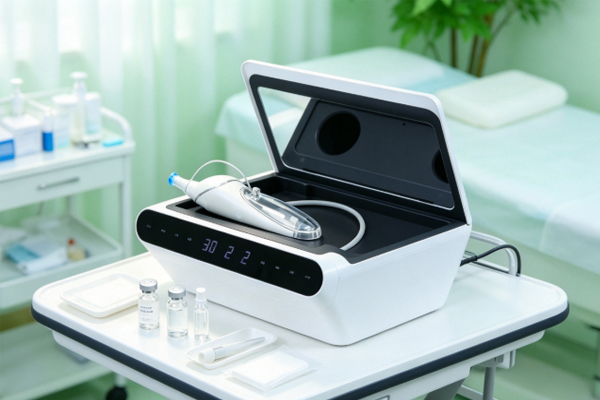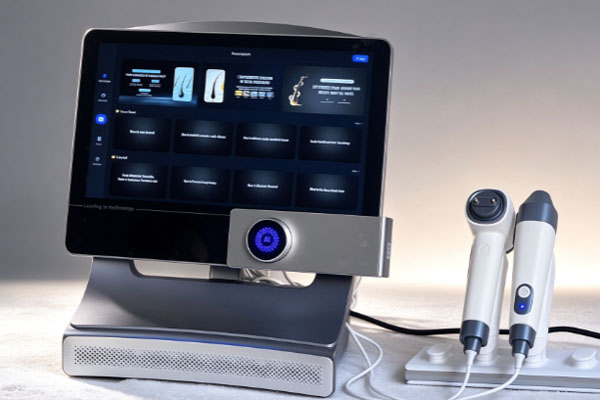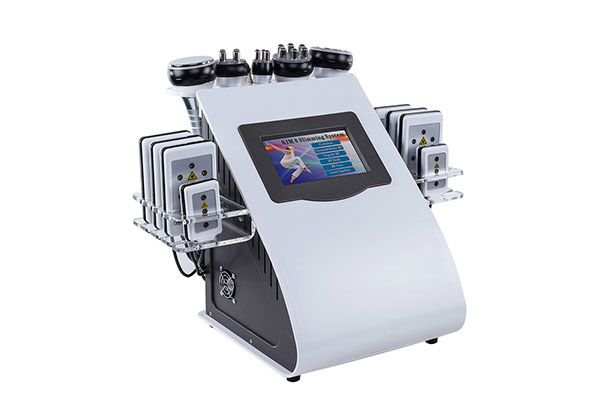
RF microneedling machines are professional aesthetic devices that combine microneedle technology with radiofrequency (RF) energy delivery. They are designed to deliver controlled energy into targeted skin tissues through specialized needle cartridges, supporting treatments intended to improve skin texture and stimulate skin remodeling. The machine’s structure, including the main control unit, treatment handpiece, needle cartridge, and RF generation module, plays an important role in its operation and performance. Understanding how these components work together helps aesthetic clinics and equipment buyers evaluate device specifications, operating procedures, maintenance requirements, and safety features before selecting an RF microneedling machine for professional use.
Main Unit and Control System of an RF Microneedling Machine
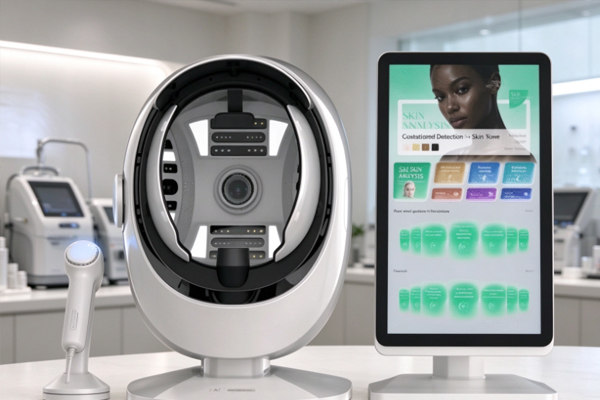
An RF microneedling machine typically consists of a main unit, a control system, a treatment handpiece, a needle cartridge, and a radiofrequency energy generation module. The main unit integrates the core electronic components and provides power, parameter control, and system monitoring. The control system allows qualified professionals to configure treatment parameters according to the device’s specifications, intended application, and individual skin conditions. Depending on the model, the interface may display energy settings, needle penetration depth, pulse duration, and other operating information. A well-designed control system helps operators manage treatment procedures consistently and monitor device status during operation. For aesthetic clinics and professional skincare facilities, understanding the main unit and its controls is essential when evaluating equipment performance, ease of use, and maintenance requirements.
Needle Handpiece, Cartridge, and RF Electrode Structure
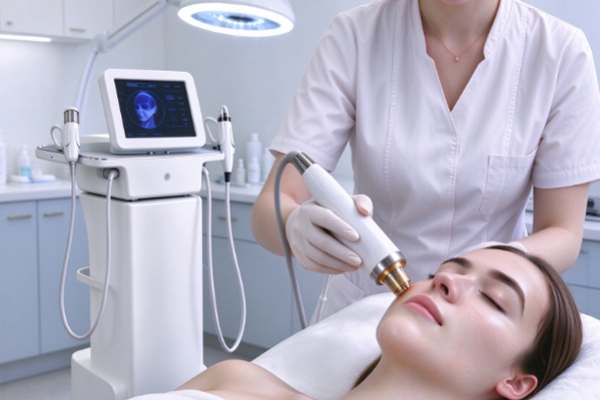
The treatment handpiece is the part of the RF microneedling machine that comes into direct contact with the treatment area. Its design influences handling comfort, treatment precision, and the consistency of needle placement. The needle cartridge contains the microneedles and associated electrode components that deliver radiofrequency energy according to the device’s design. Different models may use different needle configurations and cartridge structures, so compatibility and replacement requirements should be confirmed before use.
Key structural components commonly include:
- Treatment handpiece: Provides the operator with a grip for positioning and controlling the treatment head. Its weight, balance, and ergonomic design can influence handling during extended procedures.
- Microneedle cartridge: Contains the needles used to penetrate the skin to the depth supported by the device. Cartridge specifications, needle arrangement, and replacement procedures vary by model.
- RF electrodes: Deliver radiofrequency energy through the device’s designated energy pathway. Their configuration affects how energy is transferred into the targeted tissue.
- Needle depth adjustment mechanism: Allows the operator to select a supported penetration depth when this function is available. The appropriate setting depends on the treatment area, device instructions, and professional assessment.
- Cartridge connection and identification system: Helps ensure that compatible components are installed correctly and may support device recognition or usage tracking, depending on the model.
These components work together to support controlled needle penetration and radiofrequency energy delivery. When purchasing an RF microneedling machine, clinics should review cartridge availability, consumable costs, component compatibility, and the manufacturer’s recommended replacement procedures.
RF Generation Module and Energy Delivery Mechanism
The radiofrequency generation module produces the electrical energy required for treatment. The machine transfers this energy through its designated electrodes, following the operating principles and delivery configuration of the specific device. When the microneedles enter the skin and the RF system is activated, energy is delivered to the intended tissue according to the selected settings and the device’s design. The interaction between the needles, electrodes, and tissue generates heat in the targeted area. This controlled thermal effect is intended to stimulate tissue responses associated with skin remodeling, although the degree of response varies depending on individual characteristics, treatment parameters, and the device used. RF microneedling combines mechanical microneedling with radiofrequency energy delivery, distinguishing it from traditional microneedling devices that do not use RF energy. Treatment depth, energy settings, pulse duration, and other parameters must remain within the manufacturer’s approved operating range. Operators should receive appropriate training and follow the device instructions to help manage the risk of burns, scarring, infection, pigmentation changes, and other adverse effects.
Complete Operating Workflow of an RF Microneedling Machine
The operating workflow of an RF microneedling machine generally includes device inspection, preparation of the treatment area, parameter configuration, treatment delivery, and post-treatment care. Exact procedures vary by device model, approved indications, and local regulations. Before operation, trained professionals should review the manufacturer’s instructions, confirm that the machine is functioning correctly, and check that the handpiece and cartridge are compatible. The treatment area should be assessed for suitability, and the patient should receive an explanation of the expected benefits, potential risks, and aftercare requirements.
A typical workflow includes the following steps:
- Equipment inspection: Check the main unit, power connections, handpiece, and relevant accessories for visible damage or abnormal operation.
- Cartridge installation: Install the compatible cartridge according to the manufacturer’s instructions. Use sterile, single-use components when required by the device labeling.
- Skin assessment and preparation: Evaluate the treatment area, identify contraindications, and prepare the skin according to the established clinical protocol.
- Parameter configuration: Set the supported needle depth, RF energy, pulse duration, and other available parameters based on professional assessment and the device’s instructions.
- Controlled treatment delivery: Apply the handpiece using the technique specified by the manufacturer, monitoring the skin response and patient comfort throughout the procedure.
- Post-treatment care and documentation: Provide appropriate aftercare guidance, document the procedure, and clean or dispose of components according to infection-control requirements.
Following a standardized workflow helps improve procedural consistency and equipment management. However, it does not eliminate treatment risks, and all procedures should be performed by appropriately trained professionals in accordance with applicable regulations.
Safety Features, Maintenance Requirements, and Purchasing Considerations
Safety design and routine maintenance are important factors when selecting an RF microneedling machine for professional use. Depending on the model, safety-related features may include parameter limits, system alerts, cartridge recognition, output monitoring, and automatic shutdown functions. Buyers should verify which features are actually included rather than assuming that every machine offers the same level of protection. Maintenance requirements may involve inspecting cables and connectors, checking handpiece condition, cleaning reusable surfaces, replacing consumables, and arranging authorized servicing when necessary. The device should be operated only with compatible accessories and within the manufacturer’s specified conditions. Before purchasing, clinics should assess the machine’s intended use, regulatory status in the target market, technical documentation, training support, warranty terms, availability of replacement cartridges, and long-term service costs. Reliable technical support and clear operating instructions can be as important as the device’s listed specifications. A careful evaluation of these factors helps clinics select equipment that fits their service requirements while supporting appropriate safety and maintenance practices.