
Microneedling pens are commonly used in professional beauty and skincare settings. As beauty equipment technology continues to develop, different types of devices have become available, including electric microneedling pens, wireless roller microneedling pens, and microneedling pens with syringes. These products differ in their drive mechanisms, structural designs, functional configurations, and operating requirements. Understanding these differences helps beauty salons, skin management centers, and beauty equipment buyers select products that meet their business needs.
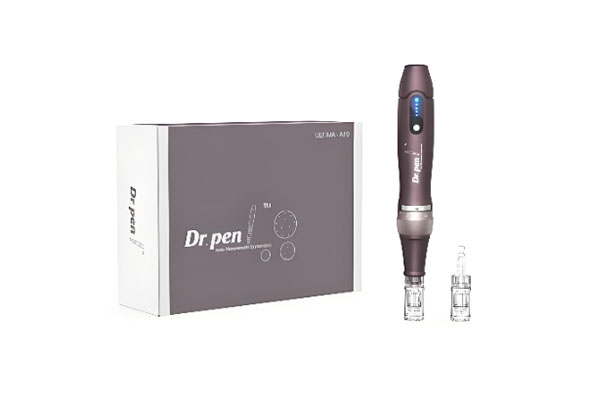
Electric Microneedling Pens: Focus on Operating Control and Stability
Working Principle and Structural Features
Electric microneedling pens typically use a motor-driven mechanism to move the needle cartridge in a controlled, repetitive motion during microneedling procedures. Some models support adjustments to needle speed or operating depth, depending on the device specifications.
These devices generally feature a handheld design that allows trained professionals to control the procedure. When purchasing an electric microneedling pen, buyers should evaluate drive system stability, needle cartridge installation, adjustment functions, and ergonomic handpiece design.
Suitable Applications
Electric microneedling pens may be used for professional microneedling procedures that fall within the product’s intended applications, including certain treatments targeting the appearance of acne scars. Actual use should be determined according to the skin condition, manufacturer’s instructions, and professional assessment. The intended applications may vary between models.
Wireless Roller Microneedling Pens: Focus on Portability and Structural Design
Advantages of Wireless Operation
Wireless roller microneedling pens typically feature a roller-style structure. Their wireless design reduces restrictions caused by power cables, offering greater flexibility in different working environments. Some models also incorporate LED functionality, although the specific purpose and technical specifications should be verified through the manufacturer’s product documentation.
Compared with motor-driven needle pens, roller-based devices may differ in their movement patterns and operating controls. Their performance should not be judged by appearance alone, and their penetration depth, treatment outcomes, and safety characteristics should not automatically be considered equivalent.
What Should Buyers Consider?
When selecting a wireless roller microneedling pen, buyers should examine the roller structure, needle configuration, battery life, charging method, LED functions, and cleaning requirements. It is also important to verify whether the product is suitable for the intended procedures and whether replacement consumables are readily available for long-term use.
Microneedling Pens with Syringes: Focus on Component Configuration and Compatibility
Structural and Functional Features
A microneedling pen with a syringe combines a microneedling component with a syringe-based structure. Its functions depend on the specific product design. Compared with conventional electric microneedling pens, this type of device incorporates additional components related to liquid handling or delivery, potentially introducing further requirements for equipment configuration, consumables, and operating procedures.
Buyers should understand the syringe capacity, connection method, materials used in liquid-contact components, and specifications of compatible consumables. The actual functionality of the device should never be inferred from its product name alone.
Safety and Compliance Requirements
For applications involving liquid delivery, injections, or regulated substances, buyers must verify the device’s approved intended use, liquid compatibility, and sterility requirements. All applicable local regulations must be followed. Ordinary skincare products should not be used for injection or other transdermal delivery procedures unless they are specifically approved for that purpose.
Key Differences Between Different Types of Microneedling Pens
| Comparison Factor | Electric Microneedling Pen | Wireless Roller Microneedling Pen | Microneedling Pen with Syringe |
| Main Structure | Motor-driven needle cartridge | Roller-style structure | Microneedling component with syringe |
| Operating Characteristics | Focuses on needle movement control | Focuses on wireless operation and roller design | Focuses on component coordination |
| Purchasing Priorities | Drive stability and adjustment functions | Battery, roller, and LED configuration | Compatibility, consumables, and compliance |
| Operating Requirements | Professional operation and hygiene management | Verification of intended use and cleaning requirements | Additional attention to liquid compatibility and sterility |
There is no single type that is best for every application. The right choice depends on product specifications, intended use, and applicable regulatory requirements.
How to Choose the Right Microneedling Pen
Choose According to Business Requirements
If precise control of motor-driven needle movement and operating parameters is a priority, an electric microneedling pen may be worth evaluating. If wireless operation and roller-based design are more important, buyers can explore wireless roller microneedling pens. For businesses considering devices with syringes, particular attention should be given to the device’s specified functions, compatible consumables, and regulatory requirements.
Consider the Manufacturer and Long-Term Operating Costs
Beauty equipment purchasing decisions should also account for needle cartridge availability, equipment maintenance, quality control, technical support, and after-sales service.
Aqual Beauty specializes in beauty equipment research, development, and manufacturing. The company can provide product consultations for businesses interested in purchasing microneedling pens or exploring OEM/ODM customization services.
Conclusion
Different types of microneedling pens primarily differ in their drive mechanisms, equipment structures, functional configurations, and operating requirements. Electric microneedling pens focus on needle movement control, wireless roller microneedling pens emphasize structural design and portability, and microneedling pens with syringes require particular attention to component compatibility and compliance with their intended applications.
For beauty businesses and equipment buyers, selecting the right microneedling device requires a comprehensive assessment of treatment requirements, product specifications, consumable costs, and manufacturer support. Appropriate professional training and hygiene management are also essential for maintaining standardized operating procedures and making effective use of beauty equipment.





