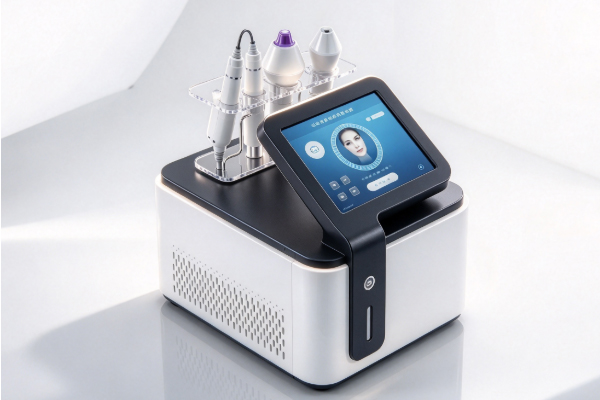
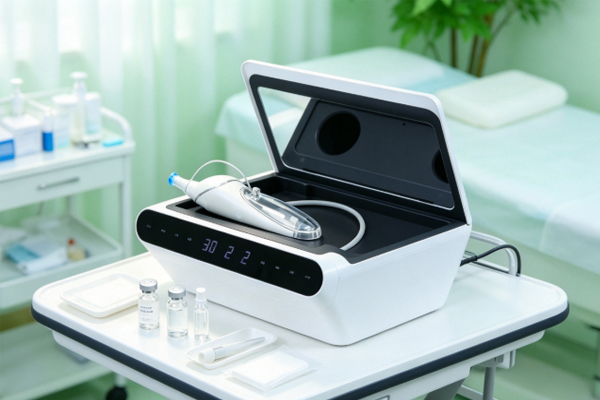
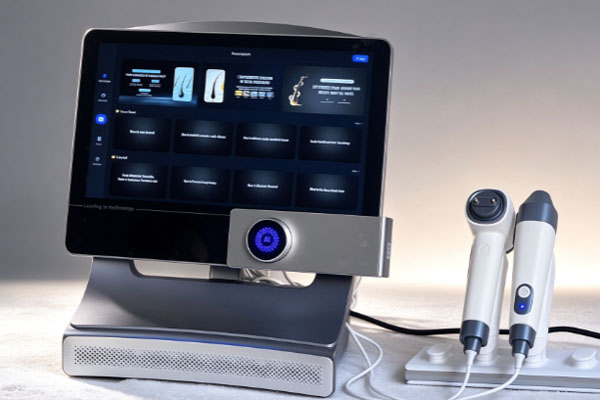
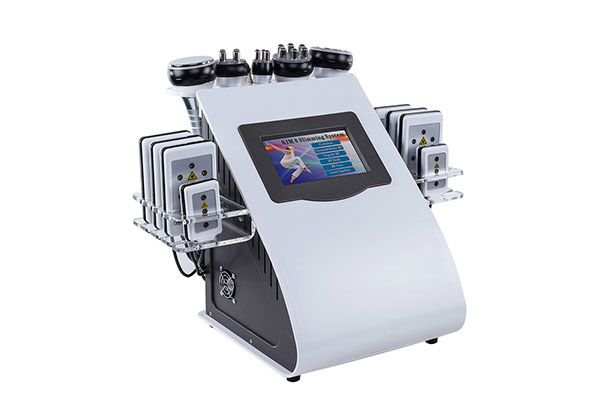
With the development of beauty technology, the Microneedling Pen has become an important device in professional skincare treatments. Compared with ordinary beauty devices, professional microneedling pens differ in their working principles, treatment purposes, operating requirements, and equipment design. For beauty salon owners, skincare professionals, and beauty equipment buyers, understanding these differences helps them choose the right devices for their business needs.
Differences in Working Principles
How Does a Professional Microneedling Pen Work?
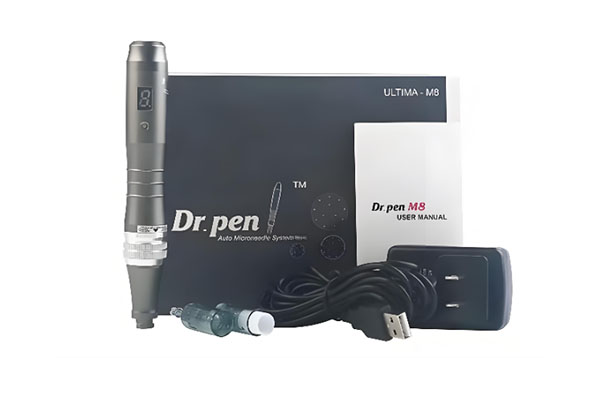
A professional microneedling pen typically uses an electrically powered mechanism to move its needle cartridge vertically and repeatedly. When operated by a trained professional under appropriate conditions, it performs controlled microneedling procedures. The treatment depth, needle type, and operating method should be selected according to the device specifications, treatment area, and intended procedure.
Unlike beauty devices that work exclusively on the skin’s surface, microneedling pens penetrate the skin barrier. Therefore, hygiene management, needle safety, and standardized operating procedures are essential. Device performance should not be evaluated solely by needle speed or the number of adjustable settings.
How Do Ordinary Beauty Devices Work?
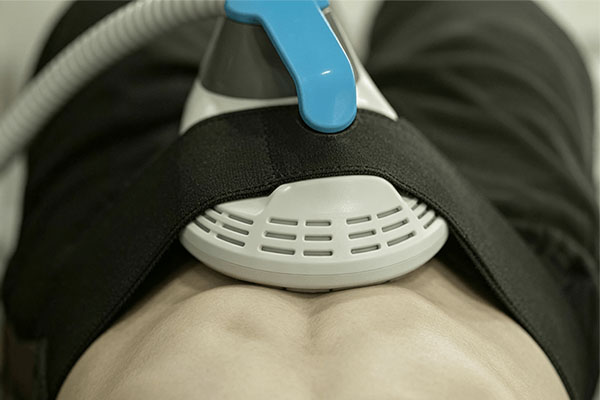
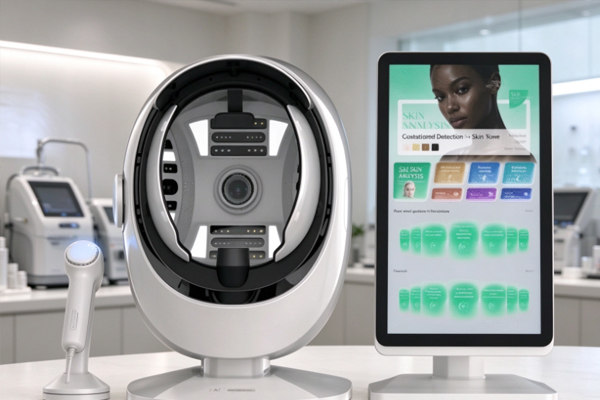
Ordinary beauty devices cover a wide range of equipment, including ultrasonic beauty devices, radiofrequency machines, skin cleansing devices, and skincare infusion devices. Depending on their technology, these products may use sound waves, radiofrequency energy, physical cleansing, or other methods to support different skincare procedures.
Not all ordinary beauty devices penetrate the skin barrier. Their operating risks, suitable users, and treatment objectives also vary according to the technology involved. Therefore, it is inaccurate to assume that all conventional beauty devices are gentler than microneedling pens or that microneedling pens are suitable for every skincare need.
Key Differences Between Professional Microneedling Pens and Ordinary Beauty Devices
Different Treatment Objectives
Professional microneedling pens are primarily designed for specific microneedling procedures. Their appropriate applications depend on the device design, approved intended use, and operator qualifications. Ordinary beauty devices serve a broader range of purposes, including skin cleansing, routine skincare, and energy-based treatments.
Beauty businesses should develop treatment plans based on customer needs and the intended use of each device rather than relying solely on product names to determine functionality.
Different Equipment Structures and Features
Professional microneedling pens typically feature an electric drive system, replaceable needle cartridges, and adjustable operating settings. When purchasing a device, buyers should evaluate cartridge compatibility, operating stability, control functions, cleaning and disinfection requirements, and consumable availability.
The structure of an ordinary beauty device depends on its specific technology. For example, radiofrequency devices require careful evaluation of energy output control, while cleansing devices require attention to contact components and cleaning methods. Different devices should be assessed using appropriate performance criteria.
Different Operating and Safety Requirements
Because professional microneedling pens involve needle penetration, their use generally requires stricter hygiene controls, risk assessments, and professional training. Depending on the product design and applicable regulations, operators should use disposable or appropriately processed needle cartridges in accordance with the manufacturer’s instructions. Cross-contamination must be prevented.
Ordinary beauty devices also require proper operating procedures, but their specific safety requirements depend on the technology, energy delivery method, and treatment area. Before purchasing any device, beauty businesses should verify its compliance documentation, operator training provisions, and after-sales support.
How to Choose the Right Device for Your Beauty Business
Select Equipment Based on Your Treatment Services
If your business focuses on routine skin cleansing or non-invasive skincare, you can evaluate suitable cleansing, infusion, or energy-based beauty devices. If you plan to offer professional microneedling treatments, you should further verify the pen’s intended applications, operator qualification requirements, needle cartridge options, and hygiene management procedures.
Evaluate Equipment Specifications and Operating Costs
When purchasing a professional microneedling pen, key considerations include needle cartridge quality, adjustment range, operating stability, handpiece design, consumable costs, and maintenance requirements. For ordinary beauty devices, buyers should evaluate energy control, output stability, and supporting functions according to the specific technology.
Purchase price is not the only consideration. Long-term operating costs, training investments, consumable availability, and after-sales response times can also affect the operational efficiency of a beauty business.
Choose a Manufacturer with Strong R&D and Service Capabilities
Beauty equipment buyers should evaluate a manufacturer’s product development capabilities, quality control procedures, OEM/ODM services, and technical support.
Aqual Beauty specializes in the development and manufacturing of beauty equipment. The company can provide relevant product information and service consultations for beauty businesses seeking equipment purchasing or customization solutions.
Conclusion
The main differences between professional microneedling pens and ordinary beauty devices lie in their operating methods, treatment objectives, equipment structures, and safety management requirements. Microneedling pens involve needle penetration and therefore require particular attention to needle safety, hygiene control, and professional training. Ordinary beauty devices should be evaluated according to their specific technologies and intended applications.
For beauty salons and equipment buyers, selecting the right device requires a comprehensive assessment of treatment needs, regulatory requirements, operating capabilities, consumable costs, and manufacturer support. By understanding the intended use of each device and implementing standardized operating procedures, beauty businesses can make more informed purchasing decisions and better meet their professional skincare service needs.