
A microneedling pen uses fine needles to create tiny channels in the skin. Different facial areas vary in skin thickness, sensitivity, and contours, so needle depth should be selected through a targeted assessment. The forehead, cheeks, areas around the nose, and jawline have different skin characteristics, making a single needle depth unsuitable for every area. Understanding these differences, along with device specifications and treatment objectives, helps professionals standardize procedures and reduce unnecessary skin injury. For beauty clinics, clear area-based management also makes it easier to explain device functions, treatment limitations, and aftercare requirements to clients, strengthening the professionalism of their services.
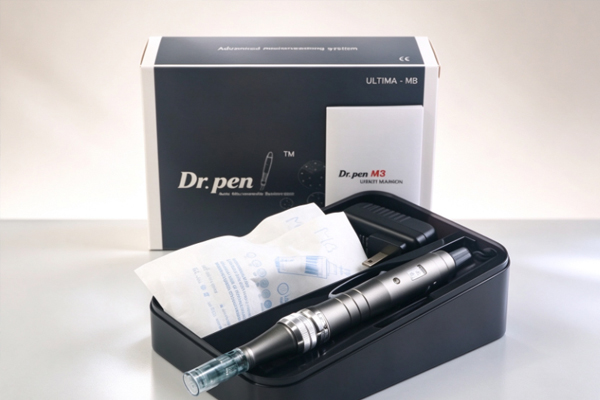
Differences in Needle Depth Across Facial Areas
Skin conditions vary across the face, so needle depth should be assessed according to the specific area and the device’s requirements.
Needle Depth Considerations for the Forehead and Cheeks
The forehead and cheeks may differ in skin thickness, oil production, and sensitivity, so each area requires an individual assessment.
- Forehead: Pay attention to sensitivity around the edges of the forehead and other localized areas. Avoid increasing needle depth arbitrarily to produce a more noticeable reaction.
- Cheeks: Skin conditions can vary across different parts of the cheeks. Develop an approach based on the specific area rather than applying the same settings across the entire cheek.
- Operational control: Adjust settings within the device’s permitted range and according to professional operating protocols. Redness should not be used as a reason to increase needle depth.
Area-specific assessment helps operators plan settings more appropriately and reduce unnecessary repeated stimulation.
Needle Depth Considerations for the Nose Area and Jawline
The contours around the nose are more pronounced, while skin thickness and firmness along the jawline also vary between individuals. Operators should account for these local characteristics.
- Nose area: The space around the nostrils is limited. Maintain stable needle contact and avoid repeatedly applying stimulation to the same small area.
- Jawline: Assess the skin condition and facial contours rather than determining needle depth solely from the appearance of the jawline.
- Areas with abnormalities: If the skin has open wounds, significant inflammation, or unusual redness, suspend the procedure and seek a professional assessment.
Adapting the procedure to local conditions is more appropriate than mechanically applying uniform settings.
How Different Skin Concerns Affect Needle Depth Selection
Microneedling plans should reflect the specific characteristics of the skin concern. Needle depth should not be determined solely by labels such as enlarged pores, acne marks, or scars.
Enlarged Pores and Rough Skin Texture
Enlarged pores and uneven skin texture can have different contributing factors. Before treatment, assess skin tolerance and whether the device is suitable for the intended application.
- Assess skin texture: Record pore distribution and surface characteristics. Pore size alone should not determine needle depth.
- Control stimulation: Do not increase needle depth or repeat passes simply to produce immediate redness, as this may cause additional skin injury.
- Monitor skin reactions: If significant pain, persistent swelling or redness, or unusual bleeding occurs, stop the procedure and assess the situation.
Clearly defining the treatment objective and controlling stimulation appropriately helps reduce unnecessary skin stress.
Pigmented Acne Marks and Atrophic Scars
Pigmented acne marks and atrophic scars have different characteristics and may require different approaches. Flat pigmented marks should be assessed according to their pigmentation and the overall skin condition. Microneedling is not a standard option for every pigmentation concern. Excessive stimulation, inflammation, or inadequate sun protection after treatment may increase the risk of post-inflammatory hyperpigmentation. Atrophic scars should be assessed by a qualified professional to determine their type and appropriate treatment. Areas with active inflammation, including significant redness, pustules, or broken skin, should not be treated directly with microneedling.
Factors Affecting the Actual Penetration Depth of a Microneedling Pen
The needle depth shown on a microneedling pen is a device setting. It does not directly represent the actual depth the needles reach inside the skin during every procedure.
Skin Condition and Individual Differences
Skin thickness, elasticity, and local conditions affect how tissue responds to needle contact. The same setting may produce different results across different areas or individuals.
- Skin thickness: Thinner and more sensitive areas require a more cautious assessment of the treatment plan.
- Skin elasticity: The skin may deform under pressure from the needles, and the actual penetration depth can be affected by the contact conditions.
- Tendency toward pigmentation: For individuals prone to post-inflammatory hyperpigmentation, treatment risks should be carefully assessed and unnecessary stimulation avoided.
Developing a treatment plan around individual skin characteristics is more meaningful than relying solely on the name of the facial area.
Device Settings and Operating Technique
Actual needling results also depend on the device design, needle condition, and operating technique. The depth setting alone cannot determine the outcome. Needle depth should be adjusted according to the manufacturer’s instructions and the device’s intended range, rather than copied from another model. Excessive pressure may increase tissue damage and should not be used to compensate for inappropriate settings. Use compatible needles and follow proper procedures for disposable supplies and hygiene. Consistent control of device settings and applied pressure helps improve procedural consistency and reduce unnecessary injury.
How to Standardize Area-Based Microneedling Procedures
A consistent assessment and management process helps beauty clinics follow operating protocols more clearly and explain relevant precautions to clients.
Establish a Pre-Treatment Assessment Process
Before treatment, identify the target area, assess the skin condition, and confirm that the device is suitable for the intended application. Use the assessment results to determine the appropriate next steps.
- Map the treatment areas: Record the characteristics of the forehead, cheeks, nose area, and jawline separately to avoid overlooking local differences.
- Identify risk factors: If skin abnormalities or other risk factors are present, obtain an assessment from a suitably qualified professional before proceeding.
- Explain expectations: Explain the treatment objective, possible skin reactions, and aftercare requirements without exaggerating the expected results.
A thorough pre-treatment assessment helps clinics organize services appropriately and reduce misunderstandings caused by inadequate communication.
Prioritize Hygiene and Post-Treatment Monitoring
Microneedling disrupts the skin barrier, making proper supply management and post-treatment skin monitoring essential parts of safety management.
- Manage supplies properly: Follow the device instructions and applicable protocols for cleaning, disinfection, and needle replacement.
- Follow aftercare guidance: Adhere to professional aftercare recommendations, avoid using products that have not been confirmed as suitable for compromised skin, and maintain sun protection.
- Monitor unusual reactions: If worsening redness or swelling, significant pain, discharge, or other unusual symptoms occur, seek medical evaluation promptly.
Including hygiene management and post-treatment monitoring in standard procedures helps improve service management and identify abnormal reactions in a timely manner.
Needle depth selection for a microneedling pen requires a comprehensive assessment of facial areas, skin conditions, device performance, and operating protocols. Fixed depth values cannot replace professional evaluation. Beauty clinics should prioritize area-specific records, parameter management, and aftercare while avoiding unnecessarily deep or repeated stimulation. Guangzhou Cosnext Technology Co., Ltd. provides information on beauty equipment products to help industry professionals understand device configurations and applications in line with their business needs.





