
Enlarged pores, rough skin texture, and indented acne scars can occur together, but they do not necessarily share the same causes. A microneedling pen uses mechanical needle movement to create controlled micro-punctures in the skin. Following a professional assessment, it may help improve certain acne scars and skin texture concerns. However, it is not a tool for cleansing pores or directly reducing sebum production. Its use requires consideration of skin condition, device requirements, and operator qualifications. Understanding its applications, operating protocols, and recovery care can help beauty clinics develop more appropriate treatment plans.
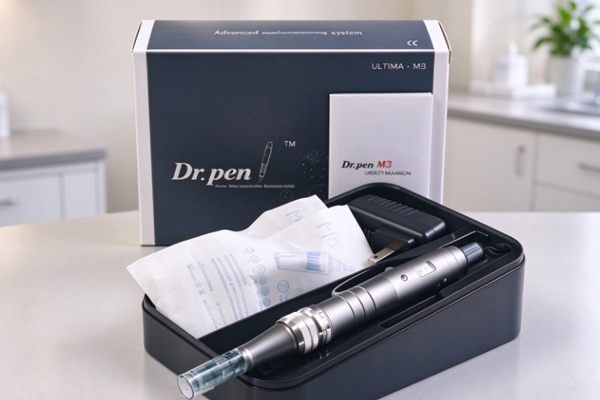
How Can a Microneedling Pen Help Improve the Appearance of Pores?
A microneedling pen triggers the skin’s repair response through tiny punctures and is primarily used for specific skin texture concerns. Before treatment, it is important to identify the factors contributing to visible pores rather than treating different skin concerns as the same issue.
Improving Skin Texture Through the Skin’s Repair Process
After microneedling creates tiny punctures, the skin initiates a repair process. For certain indented acne scars and uneven skin texture, microneedling may be considered following a professional assessment.
- Improving localized depressions: Qualified professionals should assess the suitability of treatment and the expected results for certain types of acne scars.
- Monitoring texture changes: Record and compare the appearance of the skin surface using a consistent assessment process.
- Setting realistic expectations: Pore appearance is affected by factors such as sebum production and skin elasticity. Microneedling cannot guarantee that pores will disappear completely.
Microneedling is intended to help improve certain aspects of skin appearance. The appropriate treatment plan and expected results must be determined by a qualified professional based on individual circumstances.
Choosing a Care Approach Based on Pore Concerns
Visible pores may be associated with excess sebum, accumulated dead skin cells, changes in skin elasticity, or acne scars. The appropriate approach depends on the specific concern.
- Excess sebum production: Assess cleansing methods and daily skincare needs. Microneedling does not directly remove oil from pores.
- Indented acne scars: A qualified professional can assess whether microneedling is appropriate.
- Active acne or infection: Avoid microneedling and seek an appropriate assessment.
Choosing an appropriate approach based on the underlying cause helps prevent the same treatment from being applied to every type of pore concern.
What Preparation Is Needed Before Using a Microneedling Pen?
Microneedling disrupts the skin barrier. Treatment plans should be based on skin condition, treatment goals, and device requirements rather than applying fixed settings to every individual.
Assessing Skin Condition and Treatment Risks
Before treatment, the target area should be examined to identify skin conditions and factors that may affect recovery. Pores, acne scars, redness, and other abnormalities should be assessed. Potential risk factors, such as a tendency to develop abnormal scarring or problems with wound healing, require professional evaluation. Trained operators should determine settings according to the device instructions rather than judging effectiveness by bleeding or the intensity of skin irritation. A thorough assessment helps establish the appropriate scope of treatment and reduce the risk of skin injury.
Managing Needle and Device Hygiene Strictly
Because microneedling involves skin punctures, it can increase the risk of infection and cross-contamination. Needle handling and device processing must comply with product instructions and applicable hygiene requirements.
- Replace needle cartridges properly: Use sterile needle cartridges compatible with the device and follow the replacement requirements for single-use consumables.
- Process the device correctly: Clean and process reusable components according to the manufacturer’s instructions.
- Control the treatment area: Avoid repeatedly puncturing the same area without a clear treatment plan, and do not increase treatment intensity without authorization.
Including needle management and device cleaning in standardized procedures is an important step in reducing treatment risks.
How Should Skin Be Managed After Microneedling?
Temporary redness, tightness, dryness, or flaking may occur after microneedling. During recovery, the priorities are to minimize irritation, protect the skin barrier, and follow the aftercare instructions provided by a qualified professional.
Following a Gentle Recovery Skincare Routine
During recovery, cleansing, moisturizing, and sun protection should be adjusted according to the skin’s actual response.
- Avoid irritating ingredients: Temporarily stop using potentially irritating exfoliants, strong acids, or retinol products. Follow professional guidance regarding when to resume them.
- Maintain gentle cleansing: Use mild cleansing and moisturizing products suitable for the skin’s current condition.
- Protect the skin from the sun: Minimize intense sun exposure and resume using an appropriate sunscreen according to professional advice.
The type and duration of aftercare should be determined by the extent of needling, the skin’s response, and the device instructions.
Recognizing Signs of Abnormal Recovery Promptly
During recovery, monitor changes in symptoms rather than assuming that all discomfort is normal. Pay attention to whether redness, pain, and swelling gradually subside. If pain worsens, significant swelling develops, pus appears, or redness continues to spread, seek medical evaluation promptly. Do not undergo another microneedling treatment before the skin has recovered or while abnormal reactions persist. Recognizing and addressing unusual symptoms promptly can help reduce the risk of complications.
How to Choose a Microneedling Pen for Pore Care?
The device’s control functions, needle configuration, and hygiene requirements can all affect how it is used. Beauty clinics should select equipment based on their service scope, operator qualifications, and the device’s intended use.
Understanding Device Controls and Needle Configurations
When selecting a device, focus on its operating functions and the management requirements for compatible consumables.
- Confirm control functions: Understand how needle movement and relevant operating parameters can be adjusted.
- Verify consumable specifications: Ensure that needle cartridges are compatible with the device and clarify their replacement and usage requirements.
- Review product instructions: Understand the device’s intended applications, maintenance procedures, and operating limitations.
Choosing equipment that matches actual service requirements helps support more standardized treatment management.
Developing Service Procedures Based on Client Needs
Pore care plans should address the underlying causes of each concern. A microneedling pen should not be treated as a universal solution for all types of visible pores.
- Distinguish treatment goals: Determine whether the client’s main concern is excess oil, uneven skin texture, or indented acne scars.
- Arrange follow-up assessments: Set reassessment times based on recovery progress and professional recommendations.
- Explain expected outcomes clearly: Discuss treatment suitability, recovery requirements, and potential risks without promising results that cannot be guaranteed.
Clear treatment goals and effective client communication help tailor service plans to individual needs and establish realistic expectations.
When used by qualified professionals following an appropriate assessment, a microneedling pen may help improve certain indented acne scars and skin texture concerns. However, it is not suitable for every case of enlarged pores. Beauty clinics should incorporate skin assessment, device management, and recovery care into a complete service process, prioritizing skin safety alongside appearance-related goals. Guangzhou Cosnext Technology Co., Ltd. provides beauty industry clients with information about microneedling equipment to help clinics understand device configurations and potential applications.





