
RF microneedling devices combine microneedling technology with radiofrequency energy and are used in professional aesthetic settings to address selected skin concerns. As demand for advanced aesthetic treatments grows, more clinics and beauty businesses are evaluating whether RF microneedling equipment would be a suitable addition to their services. For organizations considering purchasing this type of equipment, suitability depends not only on the device’s functions but also on service positioning, customer demand, practitioner qualifications, facility requirements, and long-term operating costs. Different aesthetic businesses have different customer groups, service portfolios, and equipment management capabilities. Understanding the potential applications, staffing requirements, and purchasing considerations can help business owners make informed investment decisions and prepare for ongoing equipment management.
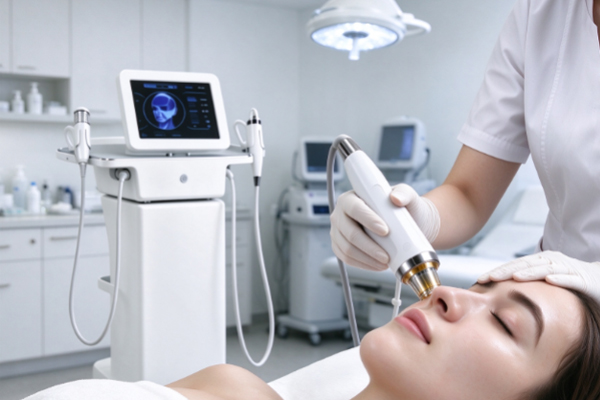
Medical Aesthetic Clinics May Benefit from RF Microneedling Devices
Medical aesthetic clinics often provide professional services such as skin rejuvenation, acne scar improvement, and skin texture management. Depending on their clinical capabilities and the device’s approved indications, some clinics may be suitable candidates for RF microneedling equipment. These facilities may already have qualified practitioners, established consultation procedures, and structured pre-treatment assessment protocols, allowing them to develop individualized treatment plans for appropriate candidates.
For clients concerned about skin texture, certain atrophic acne scars, visible pores, or fine lines, RF microneedling may be considered as one option within a broader treatment plan. Actual outcomes vary according to skin condition, device settings, practitioner technique, and individual response. Before purchasing equipment, clinics should verify the device’s registration or marketing authorization in their jurisdiction, confirm its permitted uses, and ensure that treatments are performed by appropriately qualified professionals. Clear procedures for patient screening, informed consent, treatment documentation, and adverse-event management can also help clinics manage treatment risks more effectively.
Skin Management Centers Should Choose Equipment Based on Their Business Model
Skin management centers may offer services such as routine skincare, skin assessments, basic aesthetic treatments, and professional skin management programs. For businesses seeking to expand into more advanced skin services, RF microneedling equipment may be worth evaluating. However, not every skin management center is automatically suitable for this type of device.
RF microneedling involves needle penetration and radiofrequency energy delivery, which can cause skin injury. Businesses must confirm whether local regulations permit them to provide the relevant procedures and whether their staff meet the required professional qualifications. Facilities that offer only non-medical beauty services should not perform invasive or medical procedures beyond their legal scope of practice.
Before purchasing a device, business owners should assess customer demand, expected utilization, training expenses, consumable costs, and after-sales support. If the existing business focuses mainly on basic skincare, it may be more practical to evaluate customer interest and regulatory requirements before investing in advanced equipment rather than making a purchase based solely on market trends.
Which Types of Businesses Are Suitable for RF Microneedling Equipment?
Different aesthetic businesses have different service capabilities, staffing arrangements, and customer profiles. Equipment selection should reflect the organization’s operational goals and professional capabilities. The following types of businesses may evaluate RF microneedling devices after confirming local regulations, device indications, and staff qualification requirements.
- Comprehensive medical aesthetic clinics: These clinics often provide a range of skin treatments and facial rejuvenation services. If they already offer compliant skin treatment procedures and have qualified practitioners and established management protocols, they can assess whether RF microneedling would complement their existing service portfolio and meet customer needs.
- Specialized skin treatment clinics: Clinics focusing on acne scars, uneven skin texture, and related concerns can review the potential applications of RF microneedling. They should compare needle designs, energy adjustment capabilities, and treatment depth settings before qualified practitioners determine whether the equipment is appropriate for their intended patient population.
- Medical aesthetic chains: Businesses operating multiple locations generally need to consider equipment standardization, operator training, consumable supply, after-sales response, and quality management. Consistent evaluation criteria can help reduce differences in service delivery between branches, although each location must still comply with applicable local regulations.
- Professional aesthetic equipment service providers: Companies that supply equipment, training, or technical support to medical aesthetic facilities can assess devices based on regulatory documentation, technical specifications, maintenance capabilities, and consumable availability. This can help them provide more comprehensive purchasing support to their clients.
- High-end skin aesthetic clinics: Facilities serving clients who seek professional skincare and personalized treatment plans may evaluate whether RF microneedling fits their existing services. However, equipment investment should be based on compliant use and genuine customer demand rather than the clinic’s premium market positioning alone.
Businesses suitable for RF microneedling equipment generally need appropriate operating conditions, qualified personnel, risk management procedures, and the ability to provide ongoing professional services. Before purchasing, they should verify that their qualifications and operational capabilities meet the applicable requirements.
What Features Should Buyers Evaluate When Purchasing RF Microneedling Equipment?
The configuration of an RF microneedling device can affect treatment procedures, permitted applications, maintenance requirements, and operating costs. Medical aesthetic clinics should look beyond appearance, promotional claims, or the initial purchase price. Instead, they should carefully review the technical documentation and evaluate the equipment against their intended services.
- Needle design and treatment depth: Review the available needle types, adjustable depth range, and intended treatment areas. Confirm that the specifications are consistent with the manufacturer’s instructions and the device’s authorized indications. A more complex design does not automatically guarantee better results; qualified practitioners should select equipment according to clinical requirements.
- Radiofrequency energy control: Check the energy adjustment method, output specifications, user interface, and applicable safety control features. Clear parameter management can support standardized procedures, but it does not replace professional training or pre-treatment assessment.
- Consumables and hygiene management: Determine whether needle cartridges are designed for single use, how consumables are supplied and stored, and how components should be replaced. Clinics should establish clear consumable management and infection-control procedures to reduce risks associated with improper handling or the use of components in ways not permitted by the manufacturer.
- Training and after-sales support: Before purchasing, confirm whether the supplier provides appropriate training, operating instructions, troubleshooting guidance, routine maintenance, and replacement parts. Reliable technical support can reduce equipment downtime and help maintain daily operations.
- Regulatory documentation and quality assurance: Verify product registration or authorization information, manufacturer documentation, intended uses, and relevant quality records. Buyers should also confirm that the device can legally be marketed and used in their jurisdiction. Imported equipment may be subject to additional local import, distribution, and use requirements.
Evaluating technical performance, consumable expenses, regulatory compliance, and after-sales service together can help businesses avoid focusing exclusively on the initial purchase price while overlooking long-term costs.
How Can Businesses Determine Whether RF Microneedling Equipment Is a Worthwhile Investment?
The investment value of RF microneedling equipment depends on a clinic’s customer base, service positioning, regulatory compliance, and long-term utilization plans. Business owners can estimate the financial impact by reviewing projected treatment volume, service costs, consumable expenses, staff training, equipment maintenance, and facility requirements.
If a clinic has a stable target customer base and meets the applicable staffing and facility requirements, the device may help expand its professional skin treatment portfolio. If customer demand remains uncertain or the business lacks the necessary qualifications and management procedures, it should prioritize market research and regulatory assessment before making a purchase.
After installation, the clinic should continue monitoring customer feedback, service quality, consumable usage, and maintenance records. Actual operating data can then guide future service planning and equipment utilization. It is also important to recognize that RF microneedling is not suitable for everyone. Potential adverse effects include redness, swelling, pain, infection, pigmentation changes, and scarring. Risks vary depending on the device, treatment technique, and individual circumstances.
Qualified professionals should assess each candidate’s suitability, explain expected outcomes and potential risks, and establish appropriate aftercare instructions and procedures for managing unexpected reactions. An investment decision is more sustainable when the device’s capabilities match the business’s needs, operations comply with applicable regulations, and risk management procedures are in place.





