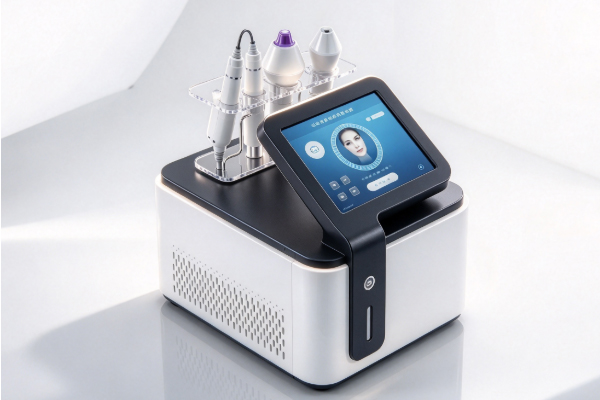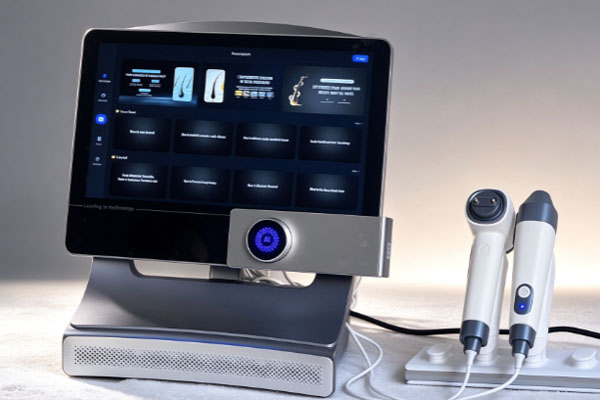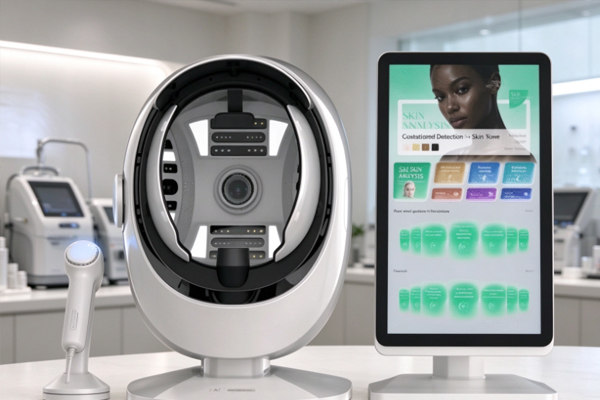
A hair analysis device is used to observe the scalp surface, hair follicle openings, and hair strand conditions. It is commonly found in beauty salons, scalp care centers, and professional hair management facilities. These devices typically use optical magnification, high-definition imaging, and image analysis technology to help operators observe visible characteristics such as scalp oil distribution, keratin buildup, hair density, and hair strand thickness. Before a scalp examination, some facilities recommend that users temporarily avoid washing their hair. The main purpose is to preserve the scalp’s original oil condition and reduce interference with examination images and observations caused by cleansing.
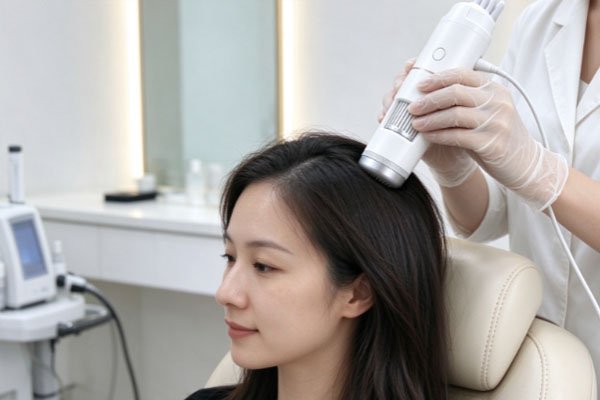
Although washing hair removes sweat, dust, oil, and some scalp residues, it also changes the immediate condition of the scalp surface. The cleansing power of shampoo, water temperature, washing duration, and the time elapsed after washing may all change scalp oil distribution. If the examination aims to observe daily oil production, dandruff accumulation, or scalp surface characteristics, images taken after washing may not represent the scalp’s usual condition. However, it is not always necessary to avoid washing your hair before an examination with a hair analysis device. Whether you should wash your hair beforehand depends on the examination purpose, equipment operating guidelines, and the facility’s requirements. Some examinations require observation of a clean scalp, while others focus on its natural condition without recent cleansing.
Washing Hair Changes the Scalp’s Natural Condition
The scalp naturally secretes sebum while accumulating sweat, shed keratinized skin cells, and small amounts of environmental dust. The distribution of these substances is related to scalp cleansing habits, ambient temperature, activity levels, and individual sebum production. A hair analysis device can magnify certain surface characteristics, so whether you wash your hair before an examination may affect the appearance of the captured images.
Shampooing Changes Oil Distribution
Shampoos typically contain surfactants that help remove oil and dirt from the scalp and hair strands. After washing, the amount of sebum on the scalp surface may temporarily decrease, and oil deposits that were previously easier to observe may also change. If the examination aims to assess daily scalp oil conditions, an observation immediately after shampooing may not fully reflect the usual sebum distribution. It is important to note that a hair analysis device mainly provides images and related parameters. A single image cannot accurately determine the secretion capacity of the sebaceous glands.
Washing Hair Changes the Attachment of Dandruff and Keratin
Water flow, fingertip massage, and cleansing products can remove some loose dandruff and keratin during shampooing, making the scalp surface appear cleaner. For examinations that involve observing dandruff distribution, keratin buildup, or the area around hair follicle openings, washing beforehand may reduce some visible characteristics. However, a reduction in dandruff does not mean the underlying scalp problem has been resolved. Dandruff may be associated with skin barrier conditions, reactions involving Malassezia, or other skin disorders. Images from a hair analysis device provide supplementary observational information but cannot replace a professional diagnosis.
Avoiding Hair Washing Helps Preserve Visible Scalp Characteristics
The primary purpose of a hair analysis device is to capture images of the scalp and hair strands and assist in recording visible characteristics. For examinations intended to assess everyday scalp conditions, preserving an appropriate natural state can help operators observe the actual appearance of oil, dandruff, and the areas around the hair roots. However, visible scalp characteristics change over time, so examination results should also be interpreted in the context of personal cleansing habits.
Helps Observe Daily Oil Accumulation
Observing scalp shine: This can help assess visible oil deposits in different areas, but images alone cannot determine whether sebum production is abnormal.
Comparing regional differences: Oil distribution may vary between the crown, frontal hairline, and occipital region. The visible condition of each area can be recorded during the examination.
Maintaining daily records: If before-and-after comparisons are needed, recording the time of the previous shampoo, the shampoo products used, and the examination conditions can improve the reference value of image comparisons.
Reduces Differences Caused by Cleansing
If the time of hair washing differs before each examination, the condition of scalp oil and dandruff may also vary. Even when the same hair analysis device is used, the captured images may show differences. Therefore, maintaining relatively consistent preparation conditions is generally more helpful when conducting regular scalp observations. The key is not to deliberately make the scalp oily, but to accurately record washing times and everyday conditions as much as possible, avoiding the misinterpretation of short-term changes caused by shampooing as significant changes in scalp condition.
Proper Preparation Before an Examination with a Hair Analysis Device
Preparation before an examination can affect the convenience of image collection and the interpretation of results. In addition to deciding whether to wash your hair, you should also consider product residue on the scalp, how your hair is arranged, and your recent hair care practices. Proper preparation can reduce unnecessary interference and help operators capture images under consistent conditions.
Schedule Hair Washing According to Examination Requirements
Different examination procedures do not have identical requirements for scalp cleanliness. If the primary goal is to observe daily oil distribution, the examination facility may recommend avoiding shampooing for a certain period beforehand. If the focus is on observing the scalp surface after cleansing, the preparation requirements may differ.
- Confirm with the facility in advance whether you need to preserve the unwashed scalp condition and how long the interval should be.
- If no specific instructions are provided, there is no need to avoid washing your hair for an extended period, and you should not deliberately increase oil or dandruff accumulation for the examination.
- If you have noticeable itching, redness, swelling, skin damage, or other discomfort, inform the operator in advance and consult a dermatologist first if necessary.
Avoid Excessive Styling and Scalp Care Products
Hair gel, hair wax, dry shampoo, scalp serums, and certain leave-in care products may leave residue on the scalp or hair strands. Under magnification, these residues may appear as deposits, making observation and interpretation more difficult. Before the examination, temporarily stop using relevant products according to the facility’s instructions. Do not perform intensive exfoliation or deep cleansing at the last minute simply to make the scalp appear cleaner. If you have already used scalp care products, explain the product types and when they were applied so the operator can assess whether visible substances in the images may be related to product residue.
Frequently Asked Questions
Q1: How Long Before a Scalp Examination Should I Avoid Washing My Hair?
Answer: There is no single time interval that applies to every examination. If the facility needs to observe everyday scalp oil conditions, it may ask you to avoid washing your hair for a specified period beforehand. The exact interval should follow the equipment instructions and examination requirements. Do not automatically follow the schedule used by another facility.
Q2: Can I Wash My Hair the Day Before the Examination?
Answer: In some cases, yes, but this depends on the examination purpose. If the facility requires the scalp to retain a more natural oil condition, the interval after washing the previous day may or may not be sufficient. Explaining when you last washed your hair during the appointment is generally more reliable than making your own judgment.
Q3: Will Washing My Hair Before the Examination Make the Results Inaccurate?
Answer: Not necessarily. Washing may change the visible condition of scalp oil, loose dandruff, and product residue, but this does not mean that all examination results become useless. The key is whether the examination requires observation of a scalp that has not been recently cleansed and whether the operator knows the cleansing history before the examination.
Q4: If My Scalp Is Very Oily or Has a Lot of Dandruff, Should I Still Avoid Washing My Hair?
Answer: Follow the specific instructions provided by the examination facility while also considering scalp comfort. You should not deliberately endure significant discomfort just to preserve visible characteristics for imaging. If dandruff continues to increase and is accompanied by noticeable itching, redness, or hair loss, seek professional medical evaluation rather than relying solely on images from a hair analysis device.
Temporarily avoiding hair washing before an examination with a hair analysis device is mainly intended to reduce changes in scalp oil, loose dandruff, and surface residue caused by cleansing, allowing certain examination procedures to reflect everyday scalp conditions more closely. This preparation requirement does not apply to every examination. The specific approach should depend on the examination purpose, equipment guidelines, and the facility’s arrangements. Examiners should consider when the scalp was last washed, which care products were used, and the conditions under which images were captured, recording relevant information when necessary.
Users should understand the preparation requirements in advance and avoid excessive cleansing or going without washing their hair for an extended period on their own initiative. It is also important to understand that a hair analysis device is suitable for assisting in the observation of visible scalp and hair characteristics, but images alone cannot determine scalp diseases, hair follicle function, or the specific causes of hair loss. Only through standardized operation, appropriate examination preparation, and professional interpretation of the results can the collected data be used more effectively to support daily scalp care or further medical evaluation.