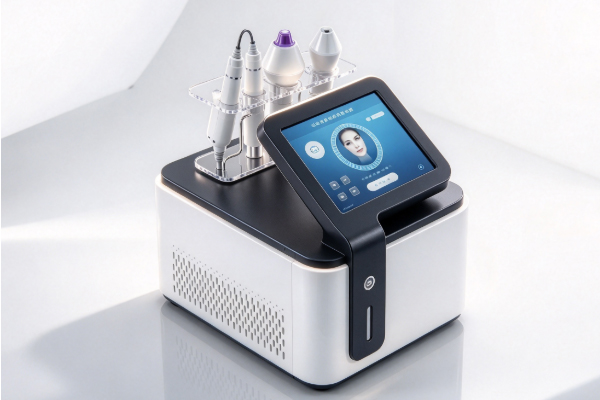
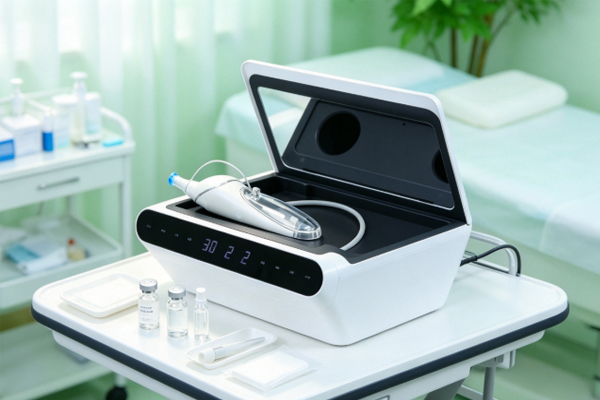
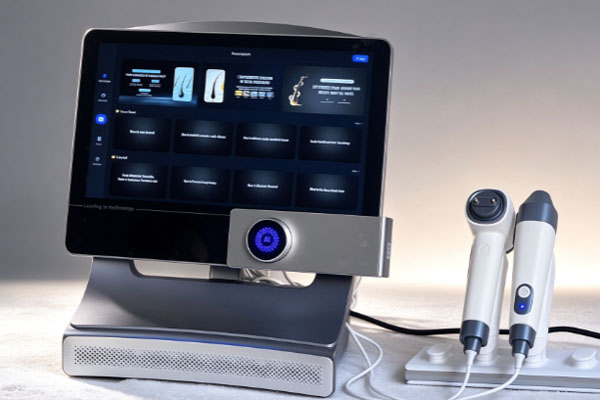
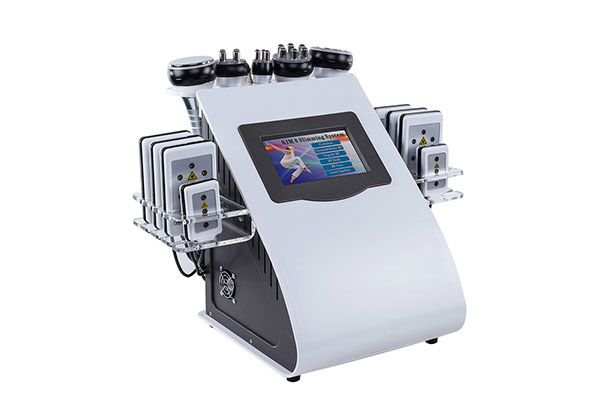
A microneedling pen is a beauty device that uses electrically driven microneedles for skin care. It is commonly used in professional skin management, skin texture improvement, and related beauty treatments. The device typically consists of a main unit, a motor-driven assembly, a needle cartridge, an adjustment mechanism, and a power supply system. Since a microneedling pen comes into direct contact with the skin during use, and some procedures may involve the skin barrier, proper daily cleaning, disinfection management, and equipment maintenance are essential.
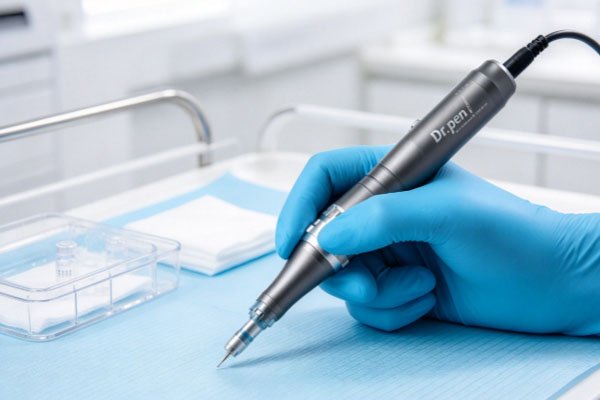
Cleaning a microneedling pen is important not only for extending the service life of the device but also for maintaining hygiene and safety during treatments. If sebum, skin care products, or other contaminants remain on the needle cartridge, connection points, or device housing, the risk of cross-contamination may increase. Improper cleaning methods may also allow liquid to enter the motor, damage connecting components, or cause operational problems. Therefore, daily maintenance should follow the device structure, manufacturer’s instructions, and applicable hygiene requirements. Components should not simply be placed in disinfectant solutions indiscriminately. Cleaning, disinfection, and sterilization are different procedures and cannot replace one another. In particular, needles that penetrate the skin must be sterile, single-use products processed according to the manufacturer’s requirements. They must not be reused after simple wiping or soaking.
Cleaning Procedures After Using a Microneedling Pen
Remove and Dispose of the Needle Cartridge Promptly
After each treatment, turn off the microneedling pen before removing the needle cartridge according to the device instructions. Sterile, single-use needle cartridges must be disposed of immediately in accordance with local medical waste or sharps waste management requirements. They must not be cleaned and reused. Since needles come into direct contact with the skin and may create tiny wounds, their hygiene requirements are stricter than those for ordinary beauty tools.
Single-use needles: Dispose of them immediately after use in an appropriate puncture-resistant sharps container. Do not reuse them or place them casually in a regular waste bin.
Reusable components: Only components explicitly designated by the manufacturer as reusable and accompanied by appropriate reprocessing instructions may undergo cleaning, disinfection, or sterilization as specified.
Removal procedure: Avoid touching the needle tips and other potentially contaminated areas directly to prevent accidental needlestick injuries.
After handling the needle cartridge, inspect the connection area for residue. If the cartridge is stuck, the connection is loose, or any component is deformed, suspend use and follow the device maintenance instructions.
Clean the Main Unit and External Contact Surfaces
The handle and main housing of a microneedling pen may come into contact with the operator’s hands, gloves, or skin care products during treatment. Use cleaning materials and methods approved by the manufacturer to remove visible dirt, followed by appropriate surface disinfection according to the device instructions.
- Use a soft, low-lint cleaning cloth to wipe the handle, buttons, and housing.
- Select a compatible surface disinfectant according to the manufacturer’s requirements and observe the specified contact time.
- Avoid spraying liquid directly into the needle cartridge connection, ventilation openings, power connectors, or gaps in the housing.
- Do not use highly corrosive cleaning agents unless their compatibility has been confirmed, as they may damage the plastic housing, sealing materials, or surface coatings.
After cleaning, confirm that the surfaces have reached the required level of dryness according to the device instructions before storing the equipment. If liquid accidentally enters the housing, stop using the device. Do not immediately power it on for testing. Contact the after-sales service team or a qualified repair technician for inspection.
Disinfection Management and Hygiene Control for Microneedling Pens
Distinguish Between Cleaning, Disinfection, and Sterilization
Cleaning removes dirt and organic residues. Disinfection reduces or inactivates specific microorganisms, while sterilization eliminates all forms of microorganisms, including bacterial spores. These procedures serve different purposes. A component that looks clean cannot automatically be considered safe for use. Needles that penetrate the skin should generally be supplied as sterile, single-use cartridges by the manufacturer. If the device includes reusable components that require sterilization, follow the specific procedures provided by the manufacturer and confirm that the components can withstand the relevant sterilization conditions. Do not independently apply high temperatures, soaking, or other treatment methods, as these may damage precision components.
Establish Hygiene Procedures for Every Use
Beauty salons and professional skin care facilities can incorporate cleaning and disinfection into their daily operating procedures, ensuring that staff follow consistent standards. Appropriate gloves should be changed during treatments, work areas should be kept clean, and processed components should not come into contact with contaminated surfaces again.
The following items should be checked regularly:
Before use: Confirm that the needle packaging is intact, the sterility labeling and expiration date meet requirements, and the device’s appearance and connections are in good condition.
After use: Dispose of single-use needles promptly, then clean and disinfect the external surfaces that the manufacturer permits to be treated.
During storage: Place the dry device in a clean, dry location protected from dust and liquid contamination. Store it separately from used consumables.
For professional beauty facilities, maintaining operating records also helps track equipment abnormalities, consumable replacements, and maintenance activities, reducing hygiene risks caused by missed procedures.
Daily Inspection and Equipment Maintenance for Microneedling Pens
Inspect the Needle Connection, Motor, and Power System
A microneedling pen generally uses a motor to drive the needles in rapid reciprocating movements. Loose connections, internal liquid ingress, or power supply problems may affect device performance. Daily inspections should focus on the device’s appearance, connections, and operating condition. Do not disassemble the housing yourself without professional training.
Needle connection: Check for looseness, deformation, residual contaminants, or improper installation.
Motor operation: Listen for unusual operating sounds and check whether needle movement is stable or accompanied by noticeable sticking or irregular vibration.
Power supply and cables: Inspect the plug, connecting cable, and power adapter for damage, overheating, or poor electrical contact.
Adjustment functions: Use the inspection methods permitted by the manufacturer to confirm that speed and needle depth adjustments work properly. Do not continue operating the device when a fault is present.
If the device shows abnormal heating, unusual odors, signs of electrical leakage, excessive noise, or unstable needle movement, stop using it immediately and disconnect the power supply. Do not resume treatments until the problem has been resolved.
Schedule Maintenance According to Usage Frequency
The maintenance schedule for a microneedling pen should be based on the manufacturer’s maintenance manual, frequency of use, and operating condition. Devices used frequently require closer inspection of external wear, connection points, and power cables. Repair and component replacement records should also be retained. During storage, protect the device from moisture, high temperatures, direct sunlight, and strong impacts. Single-use consumables such as needle cartridges should be stored according to product requirements, with protection against moisture, damaged packaging, and expiration. After a long period of inactivity, inspect the device’s appearance, power supply, and functions before putting it back into service, and complete the required hygiene procedures.
Frequently Asked Questions
Can Microneedling Pen Needles Be Cleaned and Reused?
Single-use needles must not be cleaned and reused. Ordinary cleaning or surface disinfection cannot guarantee the required level of sterilization or reliably eliminate the risks of needle damage and cross-contamination. Only components explicitly labeled by the manufacturer as reusable and accompanied by validated reprocessing procedures may be processed and reused as instructed.
Can the Main Unit of a Microneedling Pen Be Disinfected by Soaking It in Alcohol?
This is not recommended. Whether alcohol or another disinfectant is suitable depends on the device materials, sealing structure, and manufacturer’s instructions. Direct soaking may allow liquid to enter the motor, circuitry, or connection points, potentially damaging the device. In general, use a manufacturer-approved wiping method for external surfaces and follow the specified disinfectant concentration and contact time.
How Often Does a Microneedling Pen Require Professional Maintenance?
There is no single maintenance schedule suitable for every device. Daily cleaning and visual inspections should be performed before and after each use. Professional inspections, component replacements, and repairs should be scheduled according to the manufacturer’s recommendations and the device’s actual operating condition. If the device develops an operational problem, discontinue use immediately rather than waiting until the next scheduled maintenance date.
Daily maintenance of a microneedling pen requires attention to hygiene and safety, equipment performance, and consumable management. After each use, dispose of single-use needles promptly, clean and disinfect the external surfaces permitted by the device instructions, prevent liquid from entering the housing, and regularly inspect the needle connection, power cables, and operating condition. For needles that may penetrate the skin, sterile consumable requirements must be strictly followed. Simple cleaning or soaking cannot replace the required sterilization procedures.
When selecting a microneedling pen, beauty salons and professional skin care facilities should also consider whether the device comes with clear cleaning guidelines, consumable replacement instructions, maintenance requirements, and after-sales support. Equipment supported by standardized operating procedures is easier to manage daily and can help reduce operational risks during maintenance. If you are selecting a microneedling pen for a beauty salon or professional skin care facility, we recommend checking the needle specifications, cleaning compatibility, maintenance intervals, and spare parts availability in advance, then developing a maintenance plan based on the expected frequency of use.