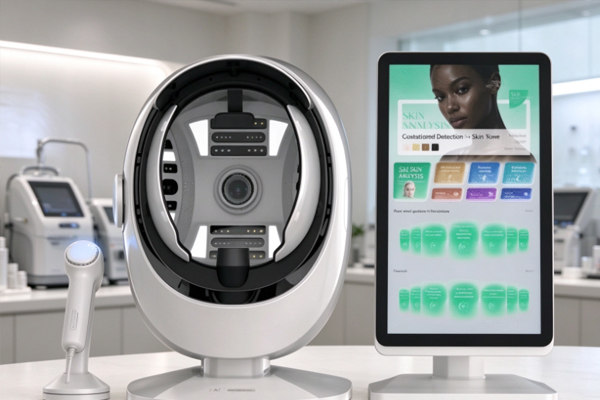
Skin analyzers need to capture facial features under stable imaging conditions to help professionals examine skin tone, pigment distribution, and surface texture. By adjusting the polarization direction of light, polarized imaging changes how different reflected light components appear, allowing the device to capture skin images from different optical perspectives. Understanding the working principles, practical applications, and configuration requirements of this technology helps beauty institutions select suitable skin analysis equipment and establish more consistent procedures for routine examinations and image comparisons.
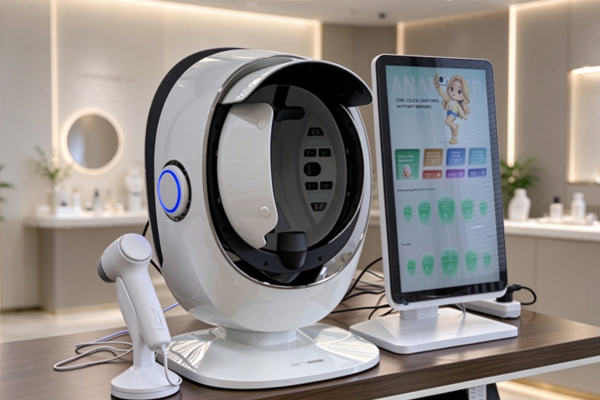
The Principles of Polarized Light in Skin Analyzers
Polarized light detection uses different optical configurations to control image formation, allowing surface features and skin color characteristics to appear with varying degrees of prominence.
Reducing the Impact of Surface Reflection on Images
Oil, sweat, and the angle at which light reaches the skin can all affect reflection. When localized highlights are too strong, some color details may become difficult to distinguish. Polarized imaging can reduce specific reflected light components and improve the visibility of certain areas.
- Controlling surface glare: Cross-polarized imaging can suppress part of the specular reflection, reducing the amount of skin color information obscured by highlights.
- Revealing color differences: With less surface reflection, certain pigment distribution patterns and areas of redness may become easier to observe.
- Providing additional imaging information: Different polarization modes can capture images with distinct visual characteristics, making subsequent comparisons more informative.
By reducing interference from surface glare, polarized imaging can help present skin color and localized features more clearly, providing a useful reference for further observation and comparison.
Understanding Parallel and Cross-Polarized Imaging
These two imaging methods handle reflected light differently and serve different observation purposes. Selecting the appropriate mode according to the examination objective can improve the usefulness of the resulting images.
- Parallel-polarized imaging: Retains more surface reflection information and is suitable for observing skin texture, pores, fine lines, and certain aspects of surface shine.
- Cross-polarized imaging: Reduces part of the surface specular reflection and helps reveal pigment distribution, redness, and certain color characteristics associated with visible blood vessels.
Actual imaging results depend on the light source, capture conditions, and device design. The capabilities of each mode should therefore be evaluated in the context of the specific equipment.
The Main Benefits of Polarized Light in Skin Analyzers
Polarized imaging can supplement conventional images by providing additional information for observing skin color and surface characteristics.
Observing Pigmentation and Skin Tone Differences
Different facial areas may show uneven skin tone, localized pigmentation changes, or redness. Cross-polarized imaging can reduce some surface glare, helping professionals examine the distribution of color across these areas.
- Examining pigmentation: Observes color differences between facial areas and provides a reference for understanding skin tone distribution.
- Identifying areas of redness: Helps reveal localized changes in redness and their distribution.
- Supporting consultation: Uses images to illustrate visible features in specific areas, making examination results easier to understand.
Color changes in an image cannot independently establish a medical diagnosis or determine the cause of a skin concern. Further assessment should take actual skin characteristics and professional judgment into account.
Examining Skin Surface Texture
Skin texture and color are different observation targets, and a single imaging mode may not highlight every detail equally well. Parallel-polarized images can help reveal pores, fine lines, and surface texture, while cross-polarized images can help show certain color differences.Combining images from different modes provides additional information for evaluating visible skin characteristics. However, the information available in these images is limited, and it should not be used to infer tissue conditions that cannot be directly assessed.
How Polarized Light Detection Supports Skin Management
In skin management settings, polarized images can be used to display localized features, document examination results, and provide visual references for subsequent consultations.
Supporting Personalized Skincare Planning
Professionals can review examination images alongside clients’ needs to understand the visible characteristics of different facial areas and determine appropriate consultation priorities and skincare approaches.
- Identifying areas of interest: Use pigmentation, redness, and texture patterns to identify areas that may require further assessment.
- Matching skincare needs: Consider image information alongside the actual skin condition and the scope of available services, rather than relying on a single image.
- Recording changes over time: Save examination results from different dates to support follow-up discussions and comparisons of visible skin changes.
For before-and-after comparisons, lighting, shooting distance, facial position, and device settings should remain as consistent as possible to reduce errors caused by changes in image capture conditions.
Standardizing Routine Examination Procedures
Consistent operating procedures help reduce image variation and improve the comparability of examination records. Professionals should prepare the skin according to the equipment requirements and use each imaging mode correctly.Before examination, the face should be cleaned as required, and interference from sweat, cosmetic residue, and ambient light should be minimized. During image capture, the specified shooting position and device settings should be maintained. Images should then be saved according to their intended use for future review and comparison.
What to Consider When Choosing a Skin Analyzer with Polarized Light
When purchasing equipment, buyers should look beyond the presence of polarized light and evaluate imaging performance, functional capabilities, and routine operating requirements to ensure that the device meets their needs.
Confirming Imaging Modes and Analytical Capabilities
Optical configurations and image-processing capabilities vary between devices. Buyers should verify the actual functions available rather than relying solely on product names or promotional descriptions.
- Checking polarization modes: Confirm which imaging modes the device supports and understand the skin characteristics each mode is intended to display.
- Reviewing output options: Determine whether the image display, analysis items, and reporting functions meet practical requirements.
- Evaluating imaging consistency: Test image clarity, the capture process, and the comparability of results obtained at different times.
Verifying polarization modes, output options, and imaging consistency helps buyers identify equipment that better suits their intended applications.
Evaluating Equipment for the Intended Application
Beauty institutions and skin management centers may have different requirements for examination efficiency, image presentation, and client communication. Purchasing decisions should account for ease of operation, report presentation, staff training, and equipment maintenance.A practical demonstration can help confirm whether the imaging performance and available functions meet daily operational needs. Buyers should also review after-sales support and training arrangements to reduce the risk of choosing equipment that does not fit their workflow.
Polarized light helps skin analyzers reduce some surface glare and provides additional information for observing skin color and texture. Its actual performance depends on device design, imaging conditions, and operating procedures, so the presence of polarized light alone does not determine the overall analytical capability of a device. Equipment should be evaluated comprehensively based on imaging modes, analytical functions, operating procedures, and service support. Guangzhou Cosnext Technology Co., Ltd. offers beauty equipment products and can provide relevant institutions with a reference when exploring skin analysis equipment and its potential applications.