
As the skin ages, it can gradually develop reduced elasticity, fine lines, changes in texture, and a less firm-looking facial contour. Facial rejuvenation has therefore become a common focus in the aesthetic skincare and professional beauty equipment market. Fibroblast Plasma beauty technology is commonly associated with terms such as Fibroblast Plasma, Plasma Fibroblast, and Fibroblast Plasma Pen. It uses controlled plasma energy to create a localized effect on the skin, producing a thermal response and supporting the skin’s natural recovery process. For people interested in improving visible signs of skin aging, this type of equipment can have potential applications in aesthetic care. However, its function should not simply be described as “restoring youthful skin.” Different devices can vary in energy systems, applicator designs, output modes, and intended applications. The actual operating method and expected appearance can also depend on product specifications, individual skin condition, and professional operating requirements.
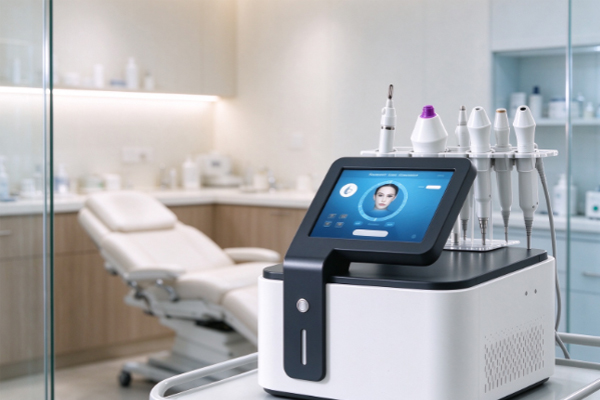
Why Has Fibroblast Plasma Beauty Technology Attracted Attention for Facial Rejuvenation?
Fibroblast Plasma beauty technology generally uses plasma energy to create a localized and controlled effect on or close to the skin surface. After the skin receives this type of energy stimulation, it enters a natural recovery process during which the affected area gradually undergoes repair. Fibroblasts are connective-tissue cells associated with the maintenance of collagen, elastic fibers, and the extracellular matrix, which is why the term “Fibroblast Plasma” is commonly used in connection with this aesthetic technology. However, the device should not be described as directly causing large amounts of collagen to be produced by fibroblasts, and all plasma beauty machines should not be assumed to provide identical results. Facial rejuvenation involves visible changes in skin texture, fine lines, firmness, and overall facial appearance. Fibroblast Plasma is better understood as an energy-based aesthetic technology that may help improve selected skin appearance concerns. Appropriate device settings and professional operation can support better control during use, while visible outcomes can still vary according to individual skin characteristics and device performance.
What Facial Rejuvenation Concerns Can Fibroblast Plasma Help Address?
Facial rejuvenation is not limited to reducing wrinkles. It can also involve skin texture, firmness, and the overall visual quality of the skin. Fibroblast Plasma devices are generally designed to deliver localized energy to selected areas, making them relevant to aesthetic care for mild visible signs of skin aging. More significant structural changes should not be addressed solely by an aesthetic device without appropriate assessment. Common areas of interest may include the forehead, eye area, glabella, cheeks, perioral area, jawline, and neck. However, the suitability of each area should always be determined according to the manufacturer’s specifications and intended applications.
Common facial rejuvenation concerns may include:
- Fine lines and superficial texture: Fine lines can become more visible around the eyes, forehead, and lips as the skin changes with age. Controlled energy-based care may help improve the visual appearance of selected fine lines.
- Reduced skin firmness: Mild loss of firmness can make the face appear less tight. Appropriate energy-based care may be used as part of a skin-firming routine.
- Uneven-looking skin texture: Age, environmental exposure, and lifestyle factors can affect the surface appearance of the skin. Some plasma beauty devices are used to support a smoother-looking texture.
- Localized contour appearance: Changes in skin condition can make facial contours appear less defined. Localized aesthetic care may be incorporated into an overall facial rejuvenation program.
- Visible neck lines: Horizontal neck lines and reduced firmness can become more noticeable with age. Whether a particular device is suitable for the neck should be determined according to the product instructions and professional operating requirements.
These are aesthetic care concerns and do not mean that Fibroblast Plasma can eliminate every age-related skin change. More pronounced structural laxity or deeper wrinkles may require professional assessment and a different treatment approach.
What Factors Affect the Facial Rejuvenation Performance of Fibroblast Plasma?
The performance of Fibroblast Plasma beauty technology depends on both the equipment and the operating process. Even within the same category of devices, different energy outputs, treatment densities, or operating distances can produce different levels of skin stimulation. For this reason, equipment selection and professional operation should focus on actual technical specifications rather than the product name alone. For aesthetic clinics, energy stability, parameter control, and applicator suitability for detailed facial areas can all affect the practical operating experience. Operator training is also important because different facial regions may require different techniques and settings. Individual factors such as age, skin thickness, sensitivity, daily skincare habits, and recovery characteristics can also influence visible results. A suitable facial rejuvenation approach should be based on the device’s intended applications and standardized operating procedures rather than simply increasing energy output or treatment density. For professional buyers, manufacturer documentation, training support, maintenance services, and after-sales assistance are also worth considering because they can help establish a more consistent equipment management process.
How to Choose a Fibroblast Plasma Beauty Machine for Facial Rejuvenation?
If an aesthetic clinic plans to use a Fibroblast Plasma Beauty Machine for facial rejuvenation, equipment selection should be based on actual treatment needs and technical specifications. Products may be marketed under names such as Fibroblast Plasma, Plasma Fibroblast, or Plasma Pen, but similar names do not necessarily indicate identical technical structures. Buyers can pay particular attention to the following:
- Energy output stability: Stable energy control can help operators adjust device parameters according to manufacturer instructions and maintain greater consistency during operation.
- Parameter adjustment: Different facial areas have different skin characteristics. A suitable adjustment range can support more precise operating requirements.
- Applicator design: Areas such as the eye region, nose sides, and lips are relatively small and require careful handling. Applicator size, shape, and flexibility can affect practical usability.
- Safety features: The device should provide clear operating information and safety control functions appropriate to its design.
- Certifications and technical documentation: Before purchasing, buyers should review product certifications, intended applications, user manuals, and technical information supplied by the manufacturer.
- Training and after-sales support: Professional training, maintenance assistance, replacement parts, and technical consultation can influence the long-term value of the equipment.
Equipment selection should also reflect the target customer group, primary treatment areas, and business model of the facility. For aesthetic medical clinics, it is important to verify actual device specifications and applicable local regulations rather than focusing only on appearance or promotional claims. A clear understanding of the equipment’s capabilities makes it easier to establish an appropriate facial rejuvenation protocol.
What Should Be Considered When Using Fibroblast Plasma for Facial Rejuvenation?
Although Fibroblast Plasma is an energy-based aesthetic technology, higher energy does not automatically mean better facial rejuvenation results. Different facial regions have different skin thicknesses and sensitivity levels. Areas such as the eyes and lips require particularly careful control of energy, exposure time, operating distance, and treatment density according to the manufacturer’s instructions. Before operation, the skin should be appropriately assessed. People with visible skin damage, inflammation, or other conditions that may make energy-based care unsuitable should receive appropriate professional guidance before use. Operators should not expand the device’s intended applications or increase output settings independently in pursuit of faster results. Device certification and local regulatory requirements should also be verified, as regulations for aesthetic and medical beauty equipment can differ between regions. For professional facilities, standardized operating procedures, staff training, and regular equipment maintenance can help improve long-term operational consistency. Facial rejuvenation is better understood as comprehensive care for the visible condition of the skin, with Fibroblast Plasma serving as one energy-based equipment option for selected concerns involving fine lines, texture, and firmness. It should not be presented as a technology that permanently reverses aging or replaces medical treatment for deeper structural concerns.





