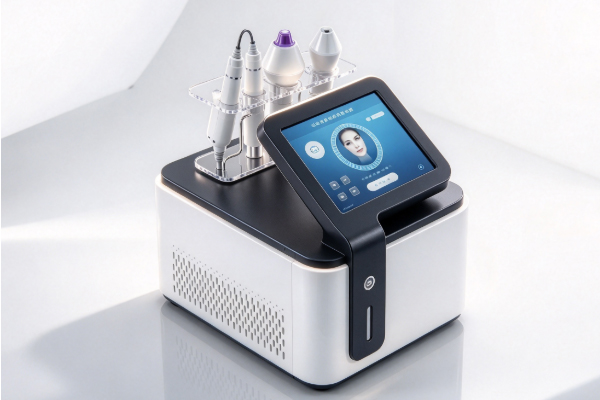
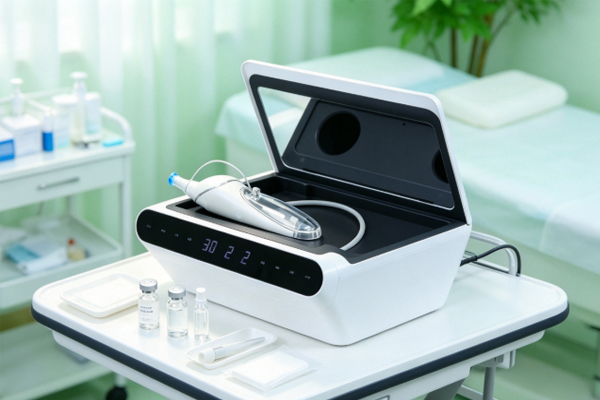
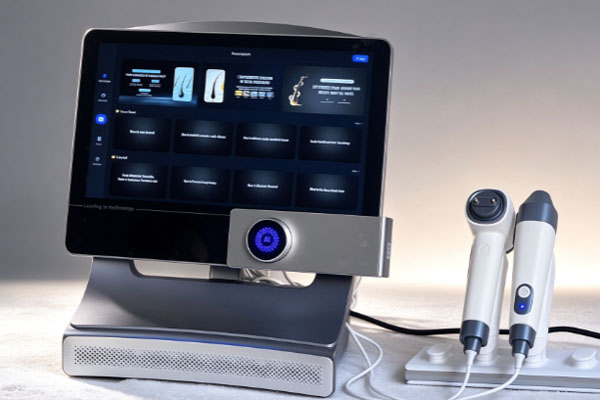
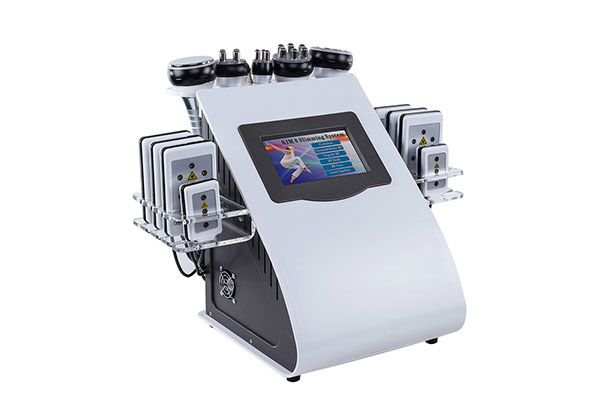
As the skin ages, changes in collagen, elastic fibers, and the extracellular matrix can gradually make fine lines and wrinkles more visible. Fibroblast Plasma is an aesthetic technology associated with terms such as Fibroblast Plasma, Plasma Fibroblast, and Fibroblast Plasma Pen. It uses controlled plasma energy to create a localized effect on selected areas of the skin, which is why it is commonly discussed in connection with fine-line and wrinkle care in the aesthetic equipment market. Unlike conventional skincare products, a Fibroblast Plasma Beauty Machine uses controlled energy to create a localized thermal response, supporting the skin’s natural recovery process and potentially improving the appearance of certain wrinkles. However, different devices can vary in energy systems, applicator designs, output modes, and intended applications. Visible results may also depend on wrinkle type, skin condition, operating parameters, and proper use.
Why Is Fibroblast Plasma Used for Wrinkle Care?
Fibroblast Plasma Beauty Machines generally use plasma discharge to create a controlled localized energy effect, producing short-term stimulation on or close to the skin surface. After this type of energy is applied, the skin enters a natural recovery process as the affected area gradually returns to its normal state. Fibroblasts are connective-tissue cells associated with collagen, elastic fibers, and extracellular matrix maintenance, which is why the term “Fibroblast” is frequently associated with this aesthetic technology. However, it should not be assumed that the device directly causes large amounts of collagen to be produced by fibroblasts, nor should all plasma devices be expected to provide identical results. For wrinkle care, Fibroblast Plasma is better understood as an energy-based aesthetic technology designed to improve the appearance of selected skin concerns. Its performance can depend on energy control, operating technique, treatment area, and individual skin recovery.
What Types of Wrinkles Can Fibroblast Plasma Be Used For?
Wrinkles are not all the same. Some are early fine lines, some are associated with repeated facial expressions, while others become more pronounced as the skin changes with age. Fibroblast Plasma Beauty Machines are generally more relevant to concerns involving fine lines and superficial-looking wrinkles. More pronounced or deeper wrinkles require a more careful assessment of what an aesthetic device can realistically provide. Common areas of interest include the eye area, forehead, glabella, perioral region, and neck. Because each area differs in skin thickness, sensitivity, and wrinkle formation, the same operating parameters should not automatically be used everywhere.
Common wrinkle-care areas may include:
- Fine lines around the eyes: The skin around the eyes is relatively thin and may develop small lines or dry-looking creases. Treatment requires precise application and careful control of energy and treatment range.
- Forehead lines: Repeated facial expressions can make forehead lines more noticeable, and appropriate skin care may help improve their visual appearance.
- Glabellar lines: The area between the eyebrows can develop expression-related lines. Energy settings should be selected according to the appearance of the lines and the condition of the skin.
- Perioral lines: The skin around the lips moves frequently, and fine lines can be associated with age, dryness, and repeated facial movement. This area requires careful equipment selection and operation.
- Neck lines: Horizontal neck lines can become more visible with age. Whether a particular device is suitable for this area should be determined according to the manufacturer’s instructions, intended treatment areas, and professional operating requirements.
These areas do not mean that every Fibroblast Plasma device is suitable for all of them. Before use, operators should confirm the manufacturer’s approved or intended applications and operating instructions rather than relying only on promotional information.
Which Fibroblast Plasma Device Parameters Affect Wrinkle Care Performance?
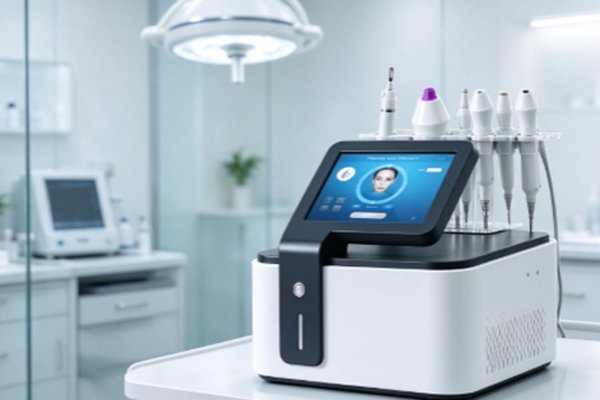
Fibroblast Plasma Beauty Machines with similar product names can have significantly different technical configurations. For aesthetic clinics and professional equipment buyers, suitability for wrinkle care depends not only on the product name but also on energy control, output stability, and operating precision. A well-designed device can help operators adjust operating conditions for different treatment areas and improve control during the procedure.
When selecting a device, it is useful to review:
- Energy output method: Determine how the device generates and delivers plasma energy and whether the output can be adjusted consistently.
- Output levels: Different areas of the skin may require different energy levels, so appropriate adjustment settings can support more controlled operation.
- Applicator design: Smaller or more delicate areas such as the eye and lip regions may require an applicator that provides greater precision and flexibility.
- Pulse modes: Some devices provide different operating modes. Buyers should confirm the intended purpose of each mode and follow the manufacturer’s instructions.
- Safety features: Output controls, operating-time management, warning functions, and other protective features can affect usability and operational stability.
- Technical documentation: Professional equipment should provide clear product information, technical specifications, intended applications, and operating requirements.
Professional facilities may also evaluate whether the manufacturer provides operator training, technical support, maintenance services, and replacement parts. Clear equipment specifications make it easier for operators to understand the device and follow standardized procedures, while also supporting long-term equipment management.
What Should Be Considered When Using Fibroblast Plasma for Wrinkle Care?
Wrinkle care is not simply a matter of increasing energy intensity to achieve more visible results. Skin condition, wrinkle depth, treatment area, and individual recovery can all influence the final appearance. Fibroblast Plasma equipment should be operated according to the manufacturer’s instructions and appropriate professional protocols. Sensitive areas, particularly around the eyes, require strict control of the treatment range and should not be treated beyond the device’s intended applications. Before operation, the skin should also be assessed for visible inflammation, damage, or other conditions that may make energy-based treatment unsuitable. During operation, energy level, exposure time, treatment density, and operating distance should remain within the manufacturer’s specified parameters. Increasing output independently in pursuit of faster or stronger results should be avoided. People with pronounced deep wrinkles, significant skin laxity, or skin disorders should not consider aesthetic equipment a universal solution and may require professional evaluation. Regulatory requirements for the sale and use of aesthetic equipment can also differ between countries and regions, so buyers should verify product certification and local compliance requirements. Proper use can support a more controlled treatment experience and reduce the risks associated with inappropriate energy application.
How to Choose a Fibroblast Plasma Beauty Machine for Wrinkle Care?
When an aesthetic clinic plans to purchase a Fibroblast Plasma Beauty Machine for wrinkle care, equipment selection should be based on intended treatment areas, technical performance, and long-term operational requirements. Products marketed as Fibroblast Plasma, Plasma Fibroblast, or Plasma Pen may use different naming conventions, and devices with similar names can have substantially different energy systems and specifications. Buyers should review the energy output range, adjustment method, applicator design, operating modes, intended treatment areas, and safety functions. Product certifications, manufacturing information, and technical documentation should also be checked carefully. For clinics that focus on areas such as the eye area, forehead, glabella, or perioral region, operating precision and applicator suitability are particularly important. Manufacturer training programs are also valuable because proper training helps operators understand device settings and reduce inappropriate use. After-sales support, maintenance response, replacement parts, and long-term technical assistance can also affect the practical service life of the equipment. Once suitable equipment has been selected, treatment procedures should be adapted to individual skin conditions rather than relying on high energy or pursuing rapid results. Fibroblast Plasma is best understood as a controlled energy-based aesthetic technology that can provide professional support for selected skin appearance concerns, rather than a technology that guarantees permanent wrinkle removal or replaces medical treatment.