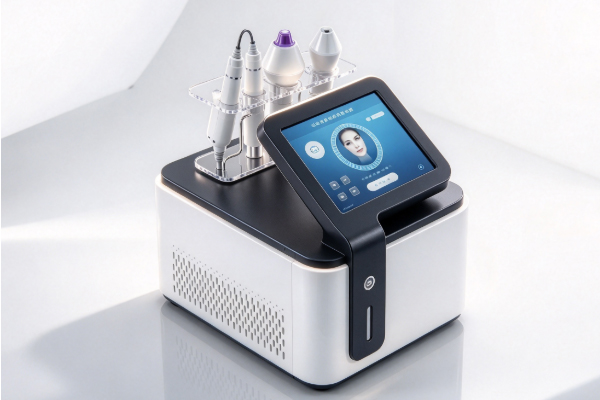
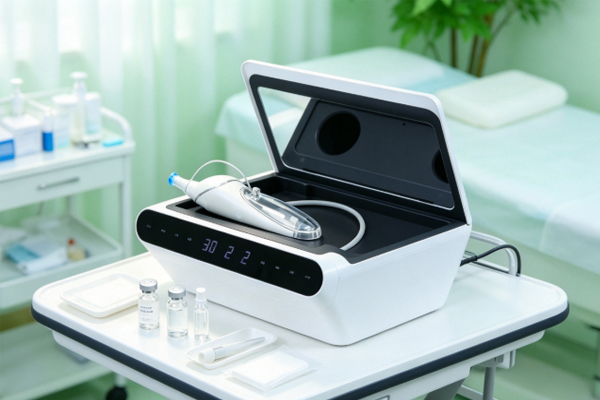
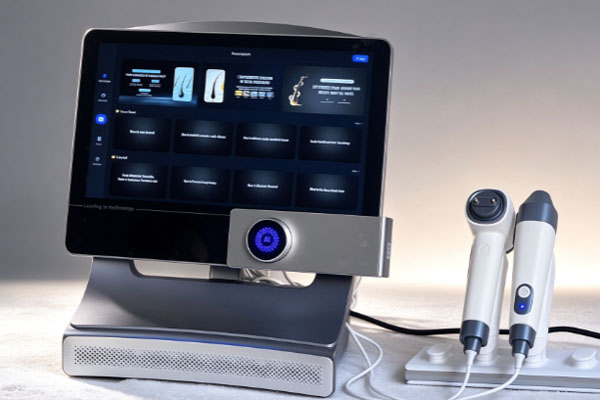
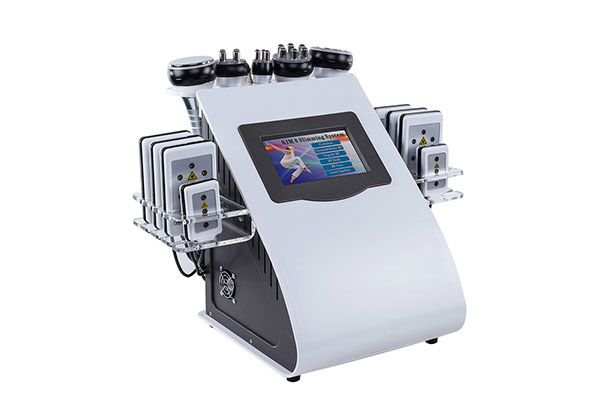
When people hear about fibroblast plasma, the first thing that often comes to mind is skin tightening. But its use in professional skin care goes beyond that. Fibroblast plasma typically uses a plasma device to deliver a localized and controlled energy effect to the skin, supporting the skin’s natural repair response and helping address concerns such as mild laxity, fine lines, and uneven skin texture. Since skin thickness and sensitivity vary from one area to another, the treatment approach also needs to be adjusted accordingly. This makes professional training and proper operation especially important.
What Is Fibroblast Plasma Used for in Skin Care?
Fibroblast plasma is commonly used for localized skin tightening, fine-line care, and skin texture improvement. It is particularly suited to smaller areas where precise operation is important. Common applications include:
- Eye Area and Upper Eyelid Care
The skin around the eyes is relatively thin and may develop laxity, fine lines, and a heavier-looking upper eyelid over time. Professional plasma devices can be used to treat specific areas with controlled application.
- Fine-Line Care
Crow’s feet, forehead lines, and lines around the mouth often require precise localized care. Fibroblast plasma creates a controlled stimulus on the skin, followed by the body’s natural repair and collagen remodeling processes, which may help improve the appearance of fine lines.
- Skin Tightening
For mild skin laxity and reduced elasticity, plasma-based treatments can be considered as a non-surgical skin-tightening option. Results can vary depending on skin condition, treatment area, operating technique, and individual recovery.
- Skin Texture Improvement
Some professional treatments use fibroblast plasma to improve the appearance of uneven skin texture and create a smoother-looking surface. A recovery period may be involved, so proper aftercare is important when temporary redness, scabbing, or peeling occurs.
What Areas Can Be Treated With Fibroblast Plasma?
One of the practical features of fibroblast plasma is its ability to target localized areas with precision rather than applying energy broadly across the entire face. When designing a treatment program, professional beauty providers can select the appropriate approach based on the skin condition and treatment area.
- Eye Area Care: Suitable for localized treatments around the upper eyelids and fine lines around the eyes.
- Facial Fine-Line Care: The forehead, outer eye area, and areas around the mouth are common locations where visible lines may appear.
- Neck Tightening: The neck can develop loose skin and visible texture changes over time and may also be included in professional plasma-based skin care programs.
- Localized Skin Texture Care: Areas with uneven texture or mild laxity can be treated individually when a more targeted approach is appropriate.
What Is the Difference Between Fibroblast Plasma and Regular Skin Care?
Regular skin care mainly relies on cleansing, moisturizing, serums, masks, and other daily routines to maintain the skin’s condition. Fibroblast plasma is a professional energy-based treatment in which a plasma device creates a controlled effect over very small areas of the skin, followed by the skin’s natural repair response. It is intended for more specific concerns such as localized laxity, fine lines, and skin texture, which also means that the treatment requires greater operating precision. Fibroblast plasma is not a replacement for everyday skin care products. Device settings, skin type, treatment area, operating technique, and aftercare can all affect the final appearance. More high-quality research is also needed to further evaluate the effectiveness of different plasma devices and applications.
What Should Be Considered When Using a Fibroblast Plasma Device?
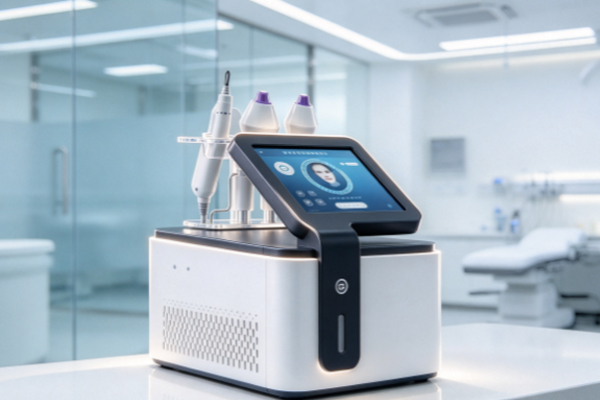
A fibroblast plasma device may look like a relatively small piece of equipment, but using it properly requires more than simply moving the device across the skin. Areas such as the eye contour require particular attention to energy control, operating distance, and treatment procedures.
- Assess the Skin Before Treatment
Check skin sensitivity, current skin care or treatment products, and the condition of the intended treatment area. If the skin is not suitable for treatment, the procedure should be postponed.
- Adjust Parameters for Different Areas
Skin thickness, laxity, and tolerance can vary between treatment areas. Device settings should be adjusted in line with the manufacturer’s instructions and professional operating protocols.
- Do Not Skip Aftercare
Fibroblast plasma treatments may cause temporary redness, scabbing, peeling, or other recovery reactions. Appropriate skin protection and aftercare should follow professional instructions.
- Device Compliance Matters
Regulations for professional plasma beauty devices can differ between countries and regions. Beauty providers should confirm the device’s intended use and comply with applicable local requirements before offering treatments.
The value of fibroblast plasma is not simply about calling it a “skin tightening” treatment. Its practical role is to give professional skin care providers a more precise way to address localized concerns such as the eye area, fine lines, mild laxity, and uneven skin texture. For beauty salons, skin care centers, and professional aesthetic clinics, energy control, operating precision, handpiece comfort, and device stability are all important when selecting equipment. Choosing the right device is only the starting point; standardized operation, an appropriate treatment plan, and proper aftercare all contribute to consistent professional use.