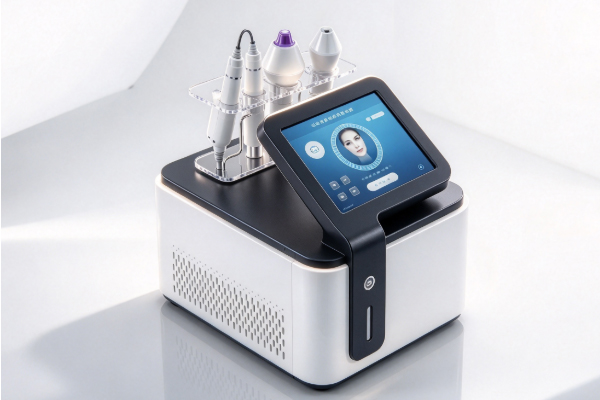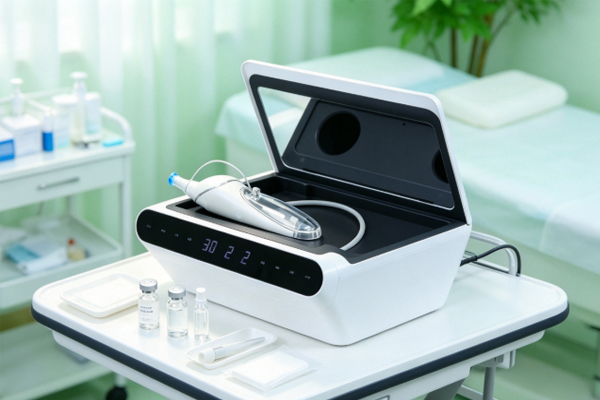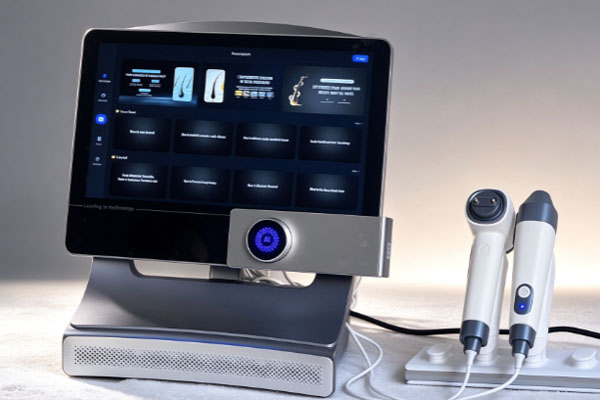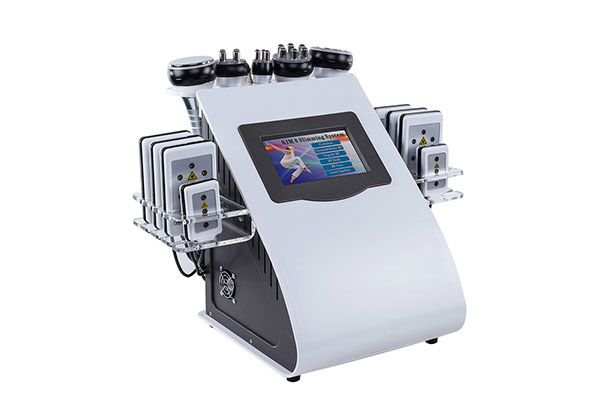
Fibroblast Plasma is commonly used in the aesthetic equipment industry as a Chinese-market term for technologies and devices associated with Fibroblast Plasma, Plasma Fibroblast, or Fibroblast Plasma Pen. It does not refer to a liquid that is directly applied to the skin. Instead, it generally describes an aesthetic technology that uses a device to generate controlled plasma energy and deliver localized energy to the skin surface. During operation, the device creates a small plasma discharge area that produces a localized thermal effect. The skin responds to this controlled energy through immediate surface reactions and subsequent natural recovery processes. For this reason, plasma-based equipment is commonly marketed for skin tightening, fine-line care, and localized skin conditioning.
Understanding how Fibroblast Plasma works requires looking at the relationship between energy delivery, the thermal response of the skin, and the body’s natural recovery process. The procedure is not simply a matter of heating the skin. Device parameters can determine the treatment location, energy intensity, exposure time, and treatment density. Different models may use different plasma-generation systems, electrode structures, and energy-control technologies, so the actual skin response can vary between products.
What Happens When Plasma Energy Reaches the Skin?
When a Fibroblast Plasma device is activated, its electrode system can create a localized plasma discharge under specified operating conditions. Gas in the working area becomes ionized and enters a plasma state, allowing energy to be concentrated within a relatively small area. Compared with conventional skincare devices, this technology can deliver a more localized energy effect to the treatment area.
When the plasma energy reaches the skin surface, it produces a localized thermal effect. Depending on the device design and operating parameters, small treatment points or superficial thermal treatment areas may be created. The skin then enters its natural recovery phase. This process is one reason why Plasma Fibroblast technology is commonly associated with aesthetic skin treatments.
The skin has its own natural repair mechanisms. When the superficial tissue receives a controlled stimulus, the body initiates a recovery response involving cells responsible for tissue maintenance and repair. Fibroblasts are important cells within connective tissue and are associated with collagen, extracellular matrix, and tissue maintenance. As a result, plasma-based aesthetic technologies are frequently marketed in connection with skin tightening and collagen-related skin care.
However, generating plasma does not mean that a device can directly control fibroblast activity or guarantee a specific biological response. Actual results can depend on the equipment model, energy settings, operating technique, skin condition, and individual recovery characteristics.
What Effects Can Fibroblast Plasma Have on the Skin?
One of the key characteristics of Fibroblast Plasma equipment is localized and adjustable energy delivery. By selecting different operating parameters, trained operators can control the energy level and treatment density for specific areas. In the aesthetic equipment market, plasma devices are commonly associated with skin tightening, fine-line care, and surface skin conditioning.
Common skin responses and treatment effects may include:
- Localized thermal stimulation: Plasma discharge can create a localized thermal effect on the skin surface, providing controlled energy stimulation to the target area.
- Formation of superficial treatment points: With certain devices and settings, small treatment points may be created on the skin surface, followed by a natural recovery process.
- Skin contraction response: Localized thermal effects may cause superficial tissue contraction, which is why some aesthetic procedures use plasma devices for skin-tightening treatments.
- Activation of natural recovery: After controlled stimulation, the skin enters a natural recovery stage in which various cells participate in tissue repair.
- Collagen-related tissue response: Because fibroblasts are involved in collagen and extracellular matrix maintenance, Plasma Fibroblast technology is often promoted in connection with collagen remodeling.
- Skin texture care: Some professional aesthetic procedures use plasma equipment to improve the visible condition and texture of localized skin areas.
These effects should not be interpreted as universal claims for every Fibroblast Plasma device. Equipment models can differ significantly in technical parameters, intended applications, and regulatory status. The actual use of a specific machine should be based on the manufacturer’s documentation and the regulations applicable in the target market.
Which Skin Areas Can Be Treated with Fibroblast Plasma?
Because Fibroblast Plasma devices use localized energy delivery, some aesthetic clinics use them for relatively small areas that require precise operation. Different areas of the body have different skin thickness, sensitivity, and anatomical characteristics, so operating parameters and techniques may need to be adjusted accordingly.
Commonly marketed treatment areas include:
- Eye area: Some devices are marketed for localized treatment of fine lines around the eyes. However, the skin in this region is thin and sensitive, making precision and safety particularly important.
- Forehead: Certain aesthetic procedures use localized plasma energy for the appearance of forehead lines.
- Facial areas: Depending on the specific device and its permitted application, localized facial skin treatments may be performed.
- Perioral area: Some professional aesthetic procedures target visible fine lines around the mouth.
- Neck: Certain systems are marketed for skin-tightening treatments in the neck area.
- Selected body areas: Depending on the manufacturer’s instructions and regulatory status, some models may be designed for localized body skin treatments.
Different areas should not automatically be treated using identical parameters. Sensitive areas, particularly around the eyes, require careful consideration of applicator distance, energy output, exposure time, and treatment density. Medical aesthetic professionals should follow the specific equipment instructions and applicable professional protocols before operating the device.
Which Device Parameters Affect the Skin Response?
When Fibroblast Plasma is applied to the skin, equipment parameters are important factors influencing energy distribution and the intensity of the treatment. Even if two devices are both labeled as Fibroblast Plasma systems, their output methods and adjustment ranges may be significantly different. For this reason, buyers of medical aesthetic equipment should examine the technical specifications rather than relying only on the product name.
Important parameters may include:
- Energy output: Energy level influences the intensity of the localized thermal effect and should be selected within the manufacturer’s specified range.
- Pulse mode: Different pulse configurations can change how energy is delivered and influence the duration and intensity of each treatment.
- Exposure time: The amount of time the applicator remains over a target area can affect localized energy accumulation.
- Treatment density: The number of treatment points within a specific area can influence the overall level of stimulation.
- Applicator distance: For non-contact devices, the distance between the applicator and skin can affect the discharge characteristics and energy distribution.
- Electrode design: Different electrode configurations can change the way plasma is generated and how energy is concentrated.
- Control accuracy: Stable output and accurate parameter displays can help maintain more consistent operating conditions.
Higher settings do not automatically mean better results. Excessive energy or inappropriate operation may increase the risk of unwanted thermal damage. The value of professional plasma equipment is not determined only by its maximum output. Stable, controllable, and predictable energy delivery is equally important.
How Can Fibroblast Plasma Be Used Safely on the Skin?
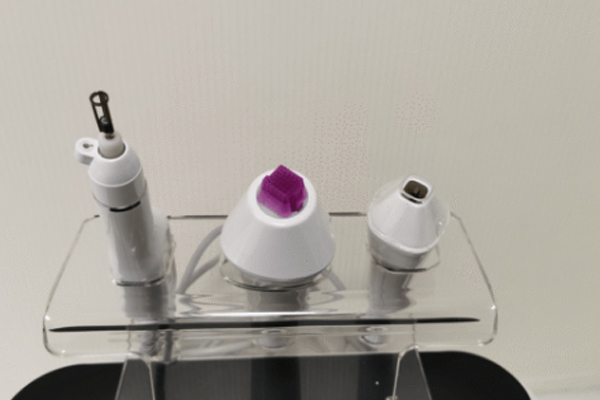
Fibroblast Plasma is an energy-based aesthetic technology that creates a localized thermal effect on the skin. Safe operation therefore depends on the correct equipment, appropriate parameters, and professional operating procedures. Before use, the power supply, handpiece, electrode, applicator, and control system should be checked to ensure that the equipment is functioning correctly and is suitable for the intended application.
Operators should select parameters according to the manufacturer’s instructions rather than simply choosing higher energy or a greater concentration of treatment points. The treatment area should also be assessed appropriately. Skin that is damaged, unusually sensitive, or showing abnormal conditions should not be treated without appropriate professional evaluation.
During operation, the applicator position, working distance, energy output, and exposure time should be carefully controlled. Repeated energy delivery to the same location can increase localized heat accumulation, so the prescribed operating procedure should be followed. Sensitive areas such as the eye region require particular care and should be treated only when the specific equipment is designed and authorized for such use.
Medical aesthetic clinics and equipment buyers should also verify the registration, certification, and permitted use of the device in the target country or region. Product names such as “Fibroblast Plasma” and “Plasma Pen” do not automatically mean that every device has the same medical or aesthetic indications. Buyers should verify the exact model, technical documentation, intended use, certification, operating manual, and available training.
From a skin-treatment perspective, the core concept behind Fibroblast Plasma is not simply to expose the skin to high heat. Instead, the equipment is designed to deliver controlled plasma energy to a localized area, creating a superficial treatment effect followed by the skin’s natural recovery process. Equipment quality, parameter control, and professional operation all influence the consistency and safety of the treatment. For medical aesthetic equipment suppliers, providing accurate information about these technical principles can help professional buyers better understand Fibroblast Plasma technology and select equipment that matches their intended applications.