Key Highlights
- Quality control presented as a multi-stage production process
- Inspection areas can include incoming materials, assembly, function, appearance, accessories and packaging
- Useful for distributors evaluating long-term supplier reliability
- Exact standards, test equipment and certification claims should be replaced with verified factory information
Quality Starts Before Final Inspection
For professional beauty equipment, final inspection alone may not be enough to identify every production issue. A more reliable approach is to place checks at multiple stages, starting from incoming materials and continuing through assembly, function testing and packaging.
This approach can help production teams identify problems earlier and reduce the risk of repeating the same issue across a larger batch.
1. Incoming Material and Component Checks
Before assembly begins, selected materials and components can be checked against purchasing requirements or internal specifications. The exact inspection method depends on the component type and the manufacturer’s quality system.
2. Assembly Process Checks
During assembly, operators and quality staff can verify whether key components, connectors, fasteners, cables, screens, handpieces and accessories are installed correctly.
For models with multiple handpieces or complex tubing, clear work instructions can help reduce assembly variation.
3. Functional Testing
Functional checks should reflect the actual functions of the specific model. Depending on the equipment category, this may include startup, interface response, handpiece operation, alarm prompts, accessory recognition or other model-specific items.
Avoid publishing generic claims such as “100% tested” unless the company can support the exact scope and process behind that statement.
4. Appearance and Packaging Inspection
The final stage may include appearance, labeling, accessories, manuals and packaging checks. For OEM/ODM projects, this is also the stage where customized logo, packaging or documentation can be compared against the approved sample.
Why Distributors Care About Quality Processes
For distributors, quality issues create costs beyond replacement parts. They can affect customer satisfaction, local service workload, shipping cost and brand reputation.
When evaluating a beauty machine manufacturer, buyers should ask how quality issues are recorded, how recurring problems are corrected, what spare-parts support is available and how after-sales cases are handled.
Factory Visits and Third-Party Inspection
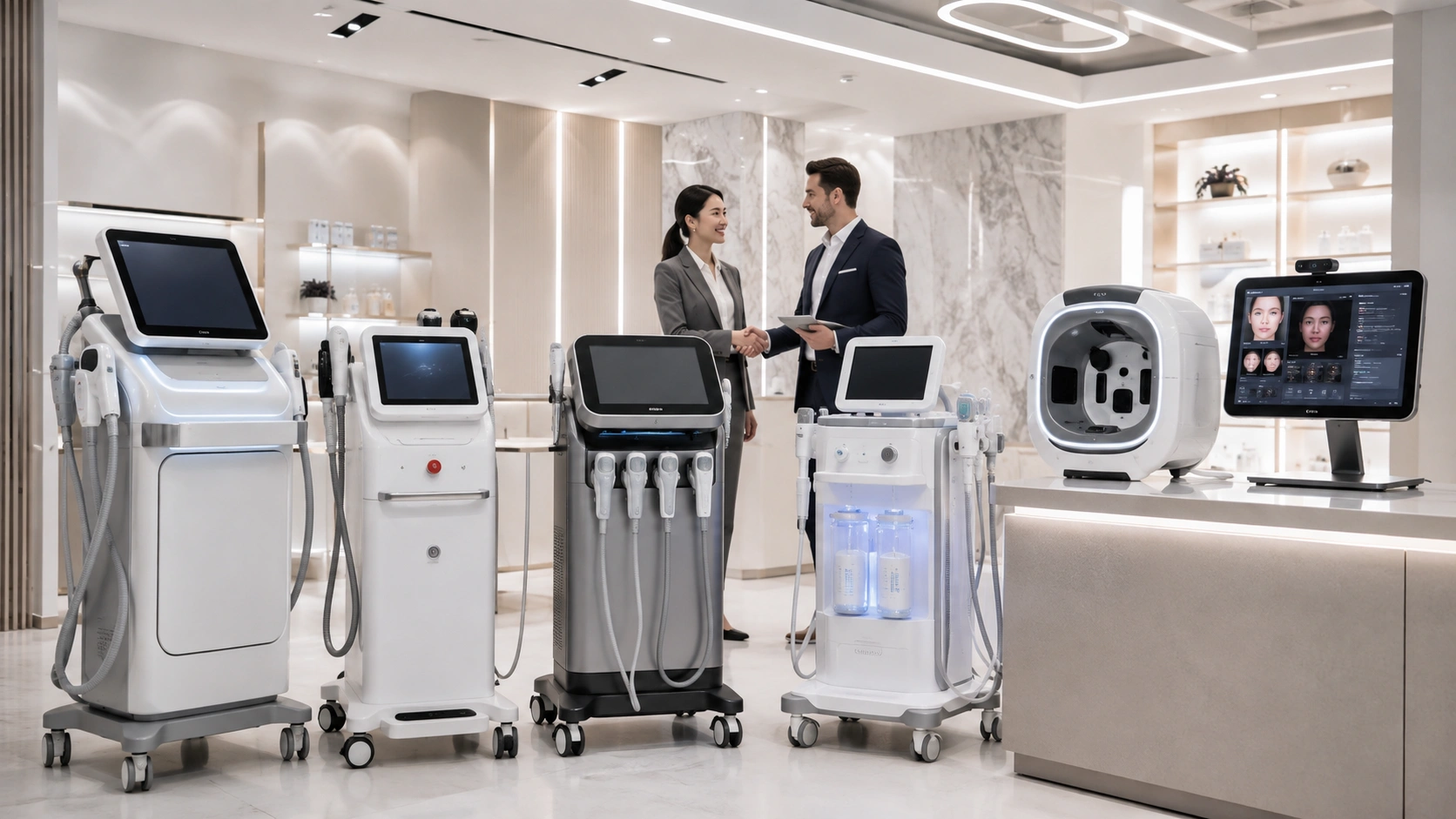
For larger purchasing projects, buyers may request a factory visit or arrange third-party pre-shipment inspection when appropriate. This can provide additional visibility into production, packaging and batch readiness before goods are shipped.
“Quality control is most useful when it is built into the production process instead of being treated as a single checkpoint at the end.”
Working With Professional Buyers
BeautyTech can provide project-specific quality and inspection information when verified internally. For the demonstration website, any exact testing standard, certificate number, pass rate or production statistic should be replaced with real company data before publication.
Suggested Images for This News Post
- Hero image: quality inspector checking a beauty machine on a clean production line
- Four-stage graphic: Incoming → Assembly → Functional Test → Final Inspection
- Detail photo: accessories and packing checklist
- Optional factory visit image with buyer/engineer discussion
Suggested Internal Links: Company → Factory Tour → Certifications → OEM/ODM → Contact