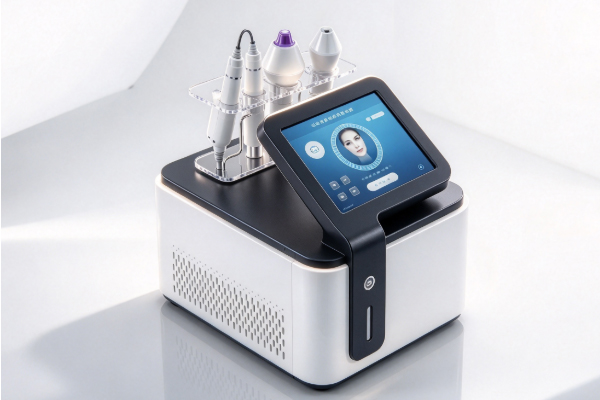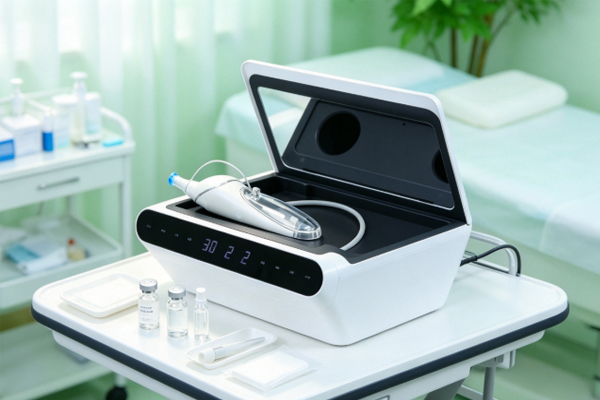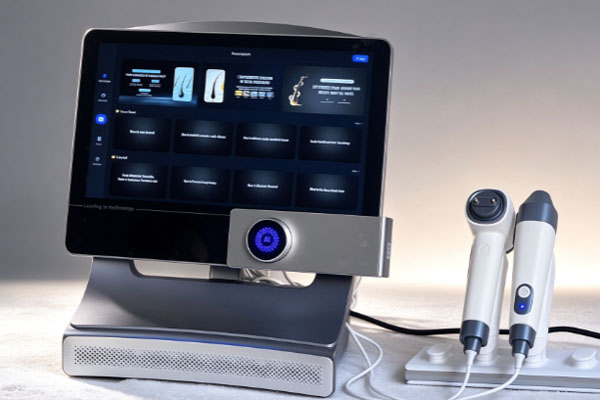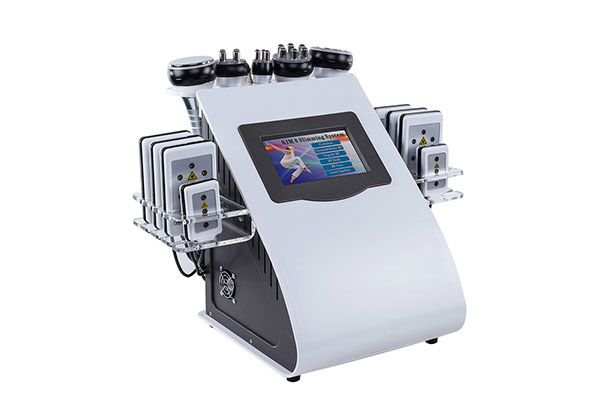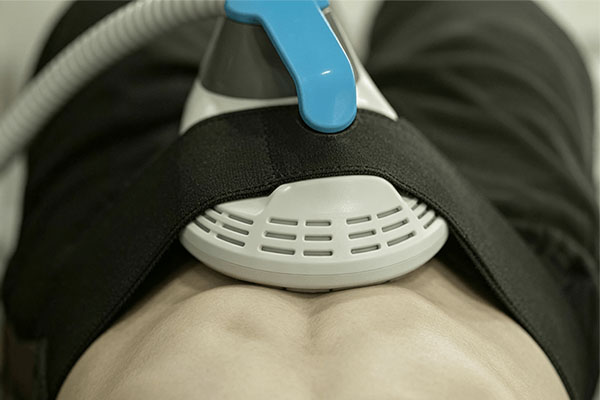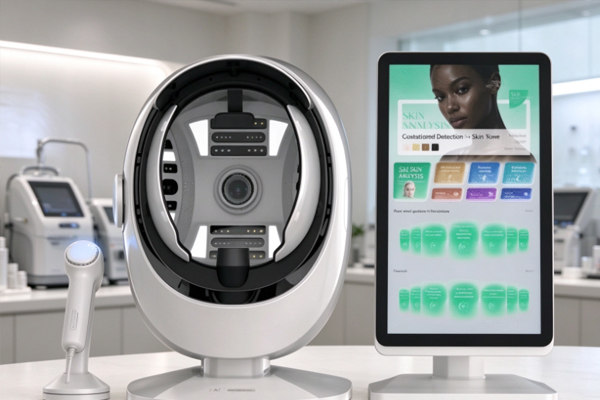
A roller microneedling pen is a device used in beauty treatments. It typically uses a roller mechanism to move microneedles across the skin’s surface, helping create evenly distributed, tiny microchannels. Compared with the traditional manual application of skin care products, this type of device places greater emphasis on consistent operation and standardized treatment procedures. It is commonly used in professional skin care treatments at beauty institutions. Its specific applications should be determined based on the device’s needle design, needle length, operating method, and the instructions provided by the manufacturer.
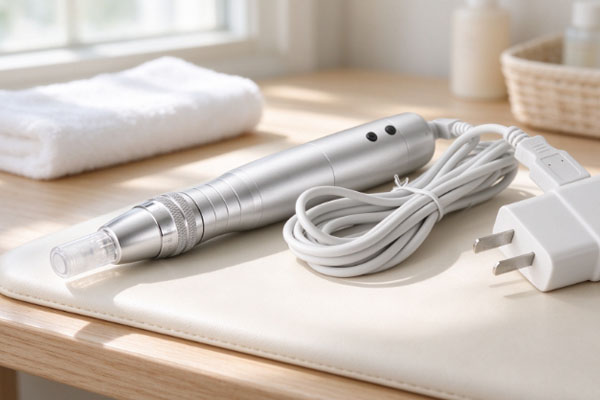
During beauty treatments, a roller microneedling pen may be used for skin texture improvement, rough skin care, pore appearance management, and certain professional treatments targeting fine lines. However, different skin concerns have different underlying causes, and the device cannot replace medical diagnosis or treatment. A roller microneedling pen is not suitable for every skin type. Particular caution is required when the skin has noticeable inflammation, infection, or a compromised skin barrier, and its suitability should be carefully assessed before treatment.
Which Basic Skin Care Treatments Are Suitable for a Roller Microneedling Pen?
A roller microneedling pen may be used in certain professional treatments intended to improve the skin’s surface condition, but its applications depend on the specific device design and operating guidelines. Microneedles produce varying degrees of skin stimulation upon contact. Therefore, treatment planning should be based on an assessment of the skin’s condition rather than solely on the skin concerns a client wishes to improve.
Rough Skin and Skin Texture Care
Rough skin may be associated with accumulated dead skin cells, dryness, inadequate daily skin care, and the condition of the skin barrier. For individuals whose skin has been professionally assessed and is stable, a roller microneedling pen may be considered as one of the device options in a specific professional skin care procedure. Before treatment, confirm that the skin has no obvious damage, inflammation, or infection, and determine suitability according to the device instructions. However, microneedling is not equivalent to exfoliation and cannot directly resolve every cause of rough skin. When roughness is primarily caused by dryness, gentle cleansing, moisturizing, and skin barrier care should be prioritized rather than relying solely on increased microneedling stimulation to improve the skin’s condition.
Pore Appearance and Fine Line Care
Pore appearance may be affected by sebum production, hair follicle structure, age-related changes, and skin elasticity. Fine lines may be associated with skin dryness, natural aging, and long-term ultraviolet exposure. Some professional microneedling treatments aim to improve skin texture and the appearance of fine lines, but the actual results depend on the skin’s condition, operating procedures, and individual differences.
Pore appearance management: First determine whether prominent pores are associated with excessive sebum production, comedones, or skin laxity before deciding whether microneedling is appropriate.
Fine line care: Distinguish temporary dehydration lines from deeper structural wrinkles. Microneedling cannot guarantee wrinkle removal and should not be performed repeatedly without a proper assessment.
Which Advanced Beauty Treatments May Use a Roller Microneedling Pen?
Some beauty institutions incorporate microneedling devices into treatments for skin texture management, the appearance of acne marks, and specific skin repair programs. However, these applications should not be interpreted as meaning that every roller microneedling pen offers the same capabilities. Needle length, structural design, operating methods, and product registration or compliance information may all affect the treatments the device is permitted to perform.
Care for Acne Marks and Acne Scars
Acne marks and acne scars should be assessed separately. Red or brown acne marks may be associated with post-inflammatory vascular changes or pigmentation, while depressed acne scars involve changes in the structure of the dermal tissue. Certain microneedling treatments, following professional assessment, may be used for specific types of atrophic acne scars. However, this does not mean that ordinary roller microneedling pens can safely and effectively treat all acne marks and scars. Microneedling should be avoided directly on skin with active acne, pustules, open wounds, or infections to prevent aggravating inflammation or increasing the risk of infection. For prominent depressed scars or persistent pigmentation, qualified professionals should assess the condition and select an appropriate treatment based on the specific concern.
Integration into Professional Skin Care Procedures
A roller microneedling pen may sometimes be incorporated into a comprehensive skin care program, but any combination of the device and skin care products must comply with the instructions for use. The channels created by microneedling may alter how topical substances enter the skin. Therefore, ordinary serums, fragranced products, acid-based products, or unapproved formulations should not be used during microneedling without proper authorization.
Pre-treatment assessment: Confirm the skin’s condition, allergy history, history of abnormal scarring, and relevant contraindications. Verify the approved applications of the device.
Post-treatment care: Follow professional guidance for gentle cleansing, moisturizing, and sun protection. Temporarily avoid irritating skin care ingredients, excessive friction, and other treatments that may increase irritation.
Device Selection and Operating Requirements
Needles and structural design: Check the needle material, manufacturing quality, smoothness of roller movement, and whether the product provides clear specifications and instructions for use.
Hygiene and consumables: Microneedling devices may disrupt the skin barrier and must be handled according to the manufacturer’s sterilization, cleaning, and single-use consumable requirements. Needles designed for single use must not be used on multiple clients, and simple wiping must not replace the prescribed sterilization procedure.
Operator qualifications: Procedures involving skin penetration should be performed by appropriately qualified professionals in accordance with local regulations and the device instructions. If a device is authorized only for specific applications, its scope of use must not be expanded without authorization.
Skin suitability: Avoid treating affected areas with active skin infections, significant inflammation, unhealed wounds, or active eczema or psoriasis. Individuals prone to keloid formation or those with clotting problems or abnormal immune function should also undergo professional assessment first.
Standardized treatment management should also include pre-treatment informed consent, treatment records, and procedures for handling adverse reactions. If persistent or worsening redness and swelling, significant pain, pus, or fever develops after treatment, seek medical assistance promptly rather than repeating the procedure independently.
Frequently Asked Questions
Q1: Is a roller microneedling pen suitable for sensitive skin?
Not necessarily. Sensitive skin may have a weakened barrier function, persistent redness, or irritation responses. Microneedling can further disrupt the skin barrier, so mild sensitivity alone is not sufficient to determine whether the procedure is appropriate. Assess the skin’s condition first and consult a dermatology professional when necessary.
Q2: Can a roller microneedling pen be used for daily skin care at home?
This depends on the product’s intended use and needle design. Microneedling that penetrates the skin carries risks such as infection, bleeding, pigmentation, and scar formation. Self-use of professional skin-penetrating devices is not recommended, and users should not independently adjust needle length or increase treatment frequency. Home skin care should strictly follow the product instructions, and professional treatment devices should not be treated as ordinary beauty tools.
Q3: Can a roller microneedling pen improve all types of acne scars?
No. Acne scars vary in depth, shape, and scar structure. Certain types may require microneedling or other medical treatments selected by qualified professionals. Ordinary beauty roller devices cannot guarantee equivalent results and are not suitable for direct use on areas affected by active acne.
Q4: What information should beauty institutions check when purchasing roller microneedling pens?
Key details to verify include the product’s intended applications, needle specifications, material information, hygiene and disinfection requirements, consumable replacement methods, operator training materials, and after-sales support. If the device will be used for commercial beauty services, confirm that it complies with local regulations governing medical devices and beauty services. Select the appropriate product according to the planned treatments.
Roller microneedling pens are primarily used in certain professional skin care treatments. Depending on the device design and approved applications, they may be used for skin texture management, rough skin care, and selected treatments targeting fine lines or depressed atrophic acne scars following professional assessment. However, these applications do not mean that every roller microneedling pen is suitable for all the conditions mentioned above. Specific procedures must be evaluated based on needle specifications, device instructions, skin condition, and operator qualifications.
It is particularly important to emphasize that microneedling carries a certain risk of skin injury, is not suitable for every skin type, and cannot replace the diagnosis and treatment of skin diseases. Proper assessment of the skin’s condition, compliance with device instructions, and control of procedural risks are essential foundations for providing these beauty treatments.