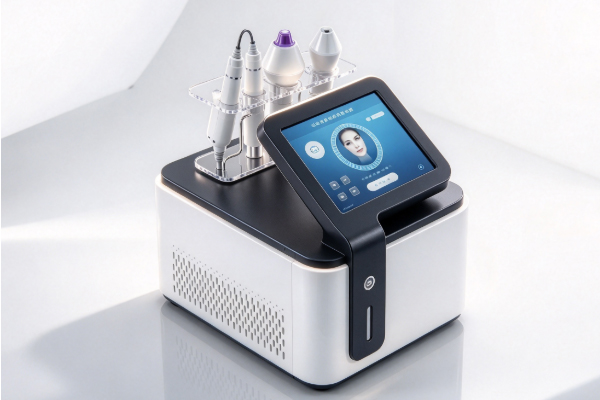
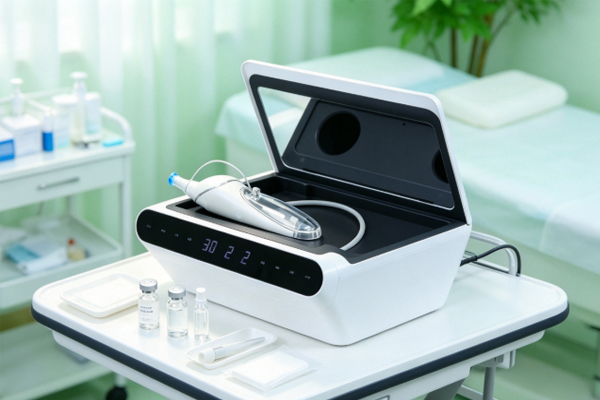
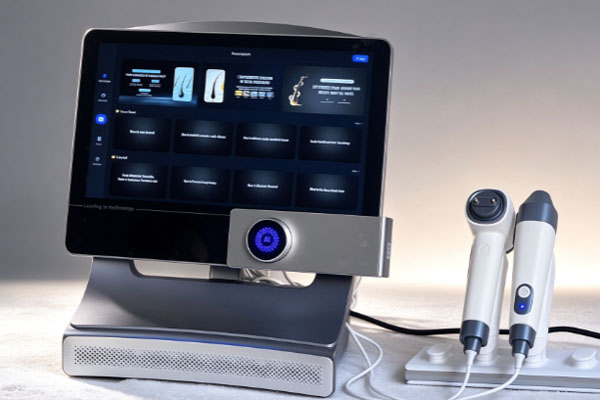
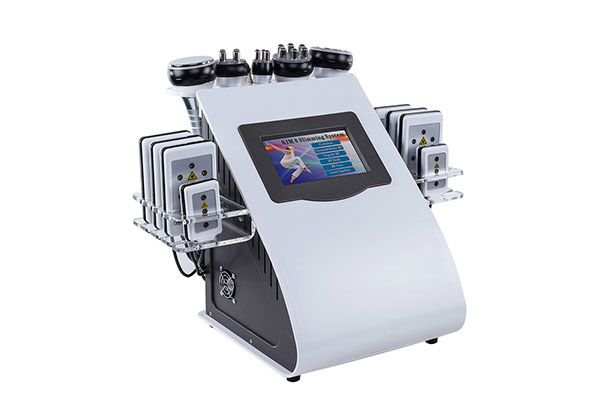
A Fibroblast Plasma Beauty Machine is commonly used in the aesthetic equipment industry as a Chinese-market term for devices associated with Fibroblast Plasma, Plasma Fibroblast, or Fibroblast Plasma Pen technology. These devices use controlled plasma energy to create a localized effect on the skin surface, producing a thermal response followed by the skin’s natural recovery process. In aesthetic clinics, such equipment is commonly marketed for skin tightening, fine-line care, and localized skin texture management. However, Fibroblast Plasma Beauty Machines from different manufacturers can vary significantly in energy output, applicator design, operating modes, and intended applications. Therefore, the skin concerns that a specific device can be used for should be determined according to the manufacturer’s instructions, product certification, and applicable regulations.
The term “improve” in this context mainly refers to the cosmetic management of skin appearance and condition. It should not be interpreted as meaning that a beauty device can treat every type of skin disease. For medical aesthetic clinics and equipment buyers, understanding the intended use of the equipment can help prevent confusion between cosmetic applications and medical treatment.
Can a Fibroblast Plasma Beauty Machine Improve the Appearance of Fine Lines?
Fine lines are one of the common skin concerns considered in aesthetic treatments. With aging, repeated facial expressions, long-term sun exposure, and environmental factors, visible lines may gradually develop around the forehead, eyes, and mouth. Because Fibroblast Plasma devices deliver localized plasma energy and create a controlled thermal effect, some aesthetic procedures use them for the cosmetic management of fine-line appearance.
During operation, plasma energy is concentrated in a relatively small treatment area. Under specific operating parameters, localized superficial treatment points may be created. The skin then enters its natural recovery process. Because fibroblasts are associated with collagen and extracellular matrix maintenance, Fibroblast Plasma technology is frequently promoted in connection with collagen-related skin care.
Common treatment areas may include:
- Fine lines around the eyes: Some professional devices are marketed for localized periocular fine-line care, although the thin skin around the eyes requires careful equipment selection and precise operation.
- Forehead lines: Certain aesthetic procedures use localized energy treatment for visible forehead lines.
- Frown lines: Some clinics may use localized plasma-based procedures for the cosmetic management of lines between the eyebrows.
- Perioral lines: Where the device is specifically intended for such use, localized treatment may be considered for visible lines around the mouth.
- Neck lines: Some products are marketed for localized neck skin tightening and texture care.
The causes and severity of fine lines vary from person to person, so equipment performance can also differ. Operators should determine the appropriate procedure according to the device design, output parameters, approved treatment areas, and professional operating protocols.
Can a Fibroblast Plasma Beauty Machine Improve Skin Laxity?
Skin tightening is one of the most frequently promoted applications of Fibroblast Plasma Beauty Machines. When skin becomes less firm, facial contours may appear less defined and localized areas can develop mild laxity. Because plasma-based equipment produces a localized thermal effect, some professional aesthetic procedures use it as part of skin-firming treatments.
Localized thermal effects may produce an immediate contraction response, followed by the skin’s natural recovery process. Fibroblasts are involved in connective tissue and extracellular matrix maintenance, which is why Plasma Fibroblast technology is often associated with collagen-related skin tightening. However, this does not mean that a beauty device can directly rebuild deep tissue, and the effects of an aesthetic device should not be confused with those of surgical lifting procedures.
For buyers of aesthetic equipment, the intended positioning of the machine is particularly important. Some products are designed for localized superficial skin care rather than significant skin laxity or structural changes. Marketing terms such as “skin tightening” and “firming” should therefore be evaluated together with the device’s certification, intended use, and regulatory documentation.
Can Fibroblast Plasma Improve Skin Texture Concerns?
In addition to fine lines and skin laxity, skin texture is another common concern in professional aesthetic care. Visible skin texture can be influenced by age, sun exposure, dryness, sebum levels, and the natural aging process. Certain plasma-based devices use localized energy to create controlled stimulation on the skin surface, which is why they are sometimes incorporated into professional skin texture management procedures.
These devices may be particularly suitable for relatively small areas that require precise operation. Skin thickness and sensitivity vary between treatment areas, so identical parameters should not automatically be applied everywhere. Facial skin, the eye area, and the neck may require different operating approaches depending on the specific equipment.
Common appearance-related concerns may include:
- Rough skin appearance: Some aesthetic procedures use plasma equipment as part of localized skin surface care.
- Uneven-looking texture: Appropriate devices may be used for localized texture management when such applications are permitted.
- Mild surface texture changes: Certain professional systems are marketed for localized superficial skin conditioning.
- Reduced localized firmness: The thermal effect generated by plasma energy may be incorporated into skin-firming aesthetic procedures.
- Mild signs of aging: Some clinics include plasma-based devices as one component of a broader aesthetic skin-care program.
These applications are primarily related to cosmetic skin appearance and should not be considered substitutes for medical treatment of skin diseases, significant scars, or deeper tissue problems. When unusual or significant skin conditions are present, an appropriate professional evaluation should be obtained.
How Should a Fibroblast Plasma Beauty Machine Be Selected for Different Skin Concerns?
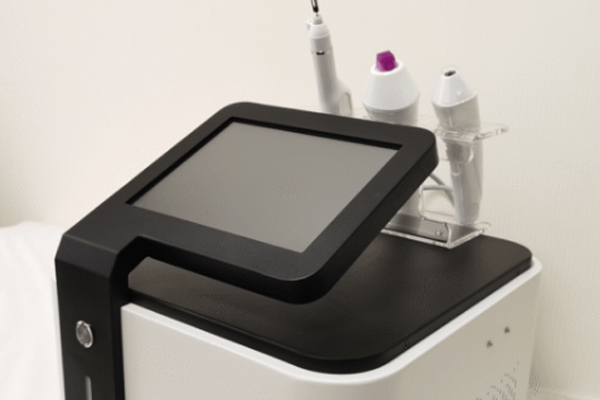
Equipment selection should not be based solely on the term “Fibroblast Plasma.” Different manufacturers may use different plasma generators, electrode structures, energy-control systems, and handpiece designs. Even devices marketed as Plasma Pens can have substantially different technical specifications.
When purchasing an aesthetic beauty machine, buyers can pay attention to the following factors:
- Energy adjustment range: Check whether the machine provides appropriate energy control for different treatment areas.
- Output stability: Stable energy delivery can help maintain greater consistency during operation.
- Applicator design: Different applicators may be intended for different treatment areas or operating methods.
- Control interface: A clear parameter display can make it easier for trained operators to follow the specified operating procedure.
- Treatment areas: Check whether the product documentation clearly identifies permitted applications for the face, eye area, neck, or other regions.
- Certification information: Verify the registrations, certifications, or other compliance documentation required in the target market.
- Training support: A professional supplier should provide appropriate equipment instructions and operator training.
- After-sales service: Handpieces, applicators, power components, and other accessories may require replacement or maintenance during long-term use.
For websites selling medical aesthetic equipment, product pages can also provide detailed information about energy modes, control interfaces, handpiece structures, standard accessories, and technical specifications. This allows professional buyers to evaluate whether the equipment matches their intended applications.
What Should Be Considered When Using a Fibroblast Plasma Beauty Machine?
A Fibroblast Plasma Beauty Machine is an energy-based device that produces a localized thermal effect on the skin, so it should not be operated like an ordinary skincare product. The equipment should be used according to the manufacturer’s instructions and applicable local regulations, and operators should understand the correct operating procedures for the specific device.
Before an aesthetic procedure, the target treatment area should be appropriately assessed to determine whether it is suitable for exposure to the device’s energy. During operation, energy output, applicator distance, exposure time, and treatment density should be controlled according to the equipment specifications. Increasing the settings simply to achieve a stronger visible effect is not an appropriate operating strategy. Repeated treatment of the same area can also increase localized thermal accumulation, making adherence to the manufacturer’s operating protocol important.
Sensitive areas such as the eye region require particular attention to the device’s intended use. If a particular model does not specifically indicate that it is designed for a certain treatment area, its use should not be expanded simply because another brand offers a similar application. The device’s certification, operating manual, and manufacturer documentation are important references for determining its permitted use.
For medical aesthetic clinics, equipment selection should also consider safety features, after-sales service, technical training, and availability of replacement parts. Equipment suppliers should avoid presenting a beauty machine as a solution for every type of skin concern. Accurate descriptions of intended applications can help professional buyers and end users develop more realistic expectations.
In practical aesthetic equipment applications, Fibroblast Plasma Beauty Machines are commonly marketed for fine-line appearance care, mild skin-firming needs, and localized skin texture management. Their performance can be influenced by equipment design, energy parameters, skin condition, and professional operating technique. Selecting an appropriate device and following its operating requirements is more important than simply choosing the highest energy output or relying on aggressive marketing claims.