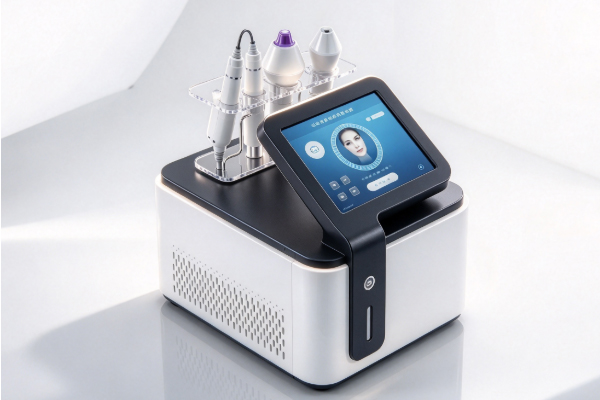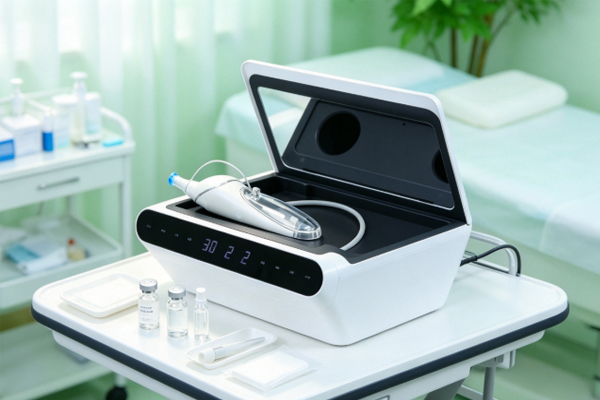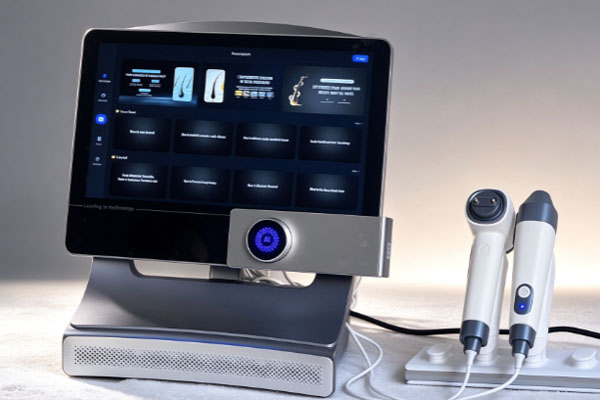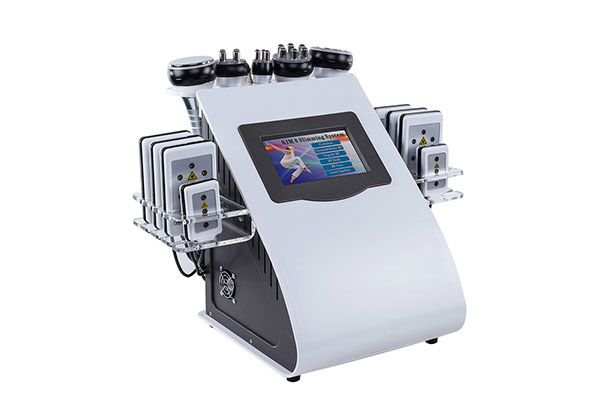
Radiofrequency microneedling is a professional aesthetic device that combines microneedling technology with radiofrequency energy. The microneedles penetrate the skin to a selected depth while delivering radiofrequency energy into the targeted tissue. Unlike aesthetic devices that rely mainly on surface-level energy delivery, RF microneedling can transfer radiofrequency energy through the needles after they enter the skin, allowing the thermal energy to be delivered more precisely to the targeted area. Depending on the device design, RF microneedling systems may use different numbers, lengths, and arrangements of needles, together with adjustable radiofrequency parameters to meet different skin treatment requirements. With the growing demand for precise, customized, and multifunctional aesthetic equipment, RF microneedling has become an increasingly recognized technology in professional skin clinics, aesthetic centers, and medical aesthetics settings.
How Does Radiofrequency Microneedling Work?
The core components of an RF microneedling device generally include a microneedle cartridge, radiofrequency generator, control system, handpiece, and display interface. During operation, the microneedles penetrate the skin to a preset depth, while RF energy is delivered through the needles or needle tips into the targeted tissue. Different devices may use different RF configurations, such as monopolar, bipolar, or multipolar systems. These configurations can differ in their energy delivery pathways, treatment depths, and adjustment methods.
When the microneedles enter the skin, the technology can help deliver RF thermal energy more directly to the intended tissue instead of relying only on surface-level energy transmission. Depending on the device, operators can adjust parameters such as needle depth, energy level, pulse duration, and treatment mode. Professional users should select parameters according to the manufacturer’s instructions and the individual skin condition rather than simply increasing energy or treatment frequency in pursuit of stronger results.
The thermal effect produced by radiofrequency energy can act on collagen and related structures within the dermal tissue. Common aesthetic applications include improving the appearance of loose skin, uneven skin texture, visible pores, and certain types of depressed acne scars. However, RF microneedling is a professional aesthetic device, and its actual results can be influenced by equipment performance, energy settings, needle depth, operator technique, and individual skin characteristics.
What Are the Main Components of an RF Microneedling Device?
A complete RF microneedling system is more than a simple microneedle handpiece. It generally consists of multiple functional modules working together. Different manufacturers may use different needle designs, RF technologies, control systems, and external structures, so equipment selection should be based on the intended treatment requirements.
Common core components include:
- Microneedle cartridge: The needle cartridge penetrates the skin to the selected depth. Different needle quantities and arrangements can influence the treatment area and operating method.
- Radiofrequency generation system: This module generates stable RF energy and delivers it according to the parameters selected on the device.
- Needle depth adjustment mechanism: This function controls how deeply the needles enter the skin. Some devices provide precise depth adjustment for different treatment areas.
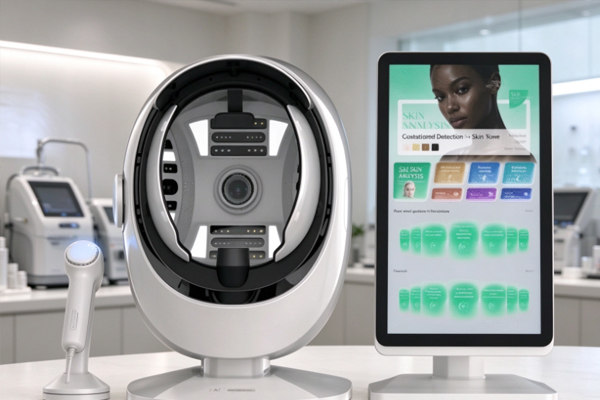
- Control panel or display: The interface is used to set parameters such as energy, treatment time, needle depth, and operating mode while displaying the device status.
- Handpiece: The handpiece connects the main unit with the needle cartridge and is the component directly used on the treatment area. Ergonomic design can influence handling comfort and operational efficiency.
- Safety control system: Some professional devices include functions such as energy monitoring, abnormal-condition alerts, and parameter controls to improve operational stability.
When purchasing an RF microneedling device, buyers should look beyond the appearance and price. Important information includes technical specifications, RF frequency, needle types, adjustment range, cartridge configuration, consumable requirements, and applicable certifications. For medical aesthetic clinics, equipment stability, after-sales support, maintenance services, and operator training can also influence long-term use.
What Skin Treatments Can RF Microneedling Be Used For?
RF microneedling is commonly used in a range of professional skin management and aesthetic procedures. Since different devices have different energy systems, needle configurations, and parameter ranges, the specific applications should be determined according to the manufacturer’s technical documentation and professional assessment.
Common application needs include:
- Visible pore management: Professional skin treatments may use RF microneedling for skin with uneven texture and visibly enlarged pores.
- Depressed acne scars: Certain RF microneedling systems may be used to help improve the appearance of depressed acne scars and uneven skin texture.
- Skin tightening treatments: RF thermal energy is used in professional aesthetic procedures designed to improve the appearance of skin firmness on the face or selected body areas.
- Skin texture improvement: The technology may be used for professional care targeting rough texture and uneven skin surfaces.
- Fine-line management: Some RF microneedling systems can be used in aesthetic procedures targeting the appearance of fine lines, depending on the individual’s skin condition and treatment plan.
- Localized skin treatments: Depending on the needle cartridge and operating mode, the device can be used on areas such as the face and jawline according to professional treatment protocols.
RF microneedling is not suitable for every individual or every skin condition. Skin characteristics, previous treatments, current medications, and the intended treatment area may all influence the treatment plan. Professional clinics generally conduct a skin assessment before using the device and determine suitability and parameters according to professional protocols and the equipment manufacturer’s instructions.
What Is the Basic RF Microneedling Treatment Process?
RF microneedling is a professional device that should be operated according to the manufacturer’s instructions, applicable regulations, and the protocols of the medical aesthetic facility. A typical workflow may include equipment inspection, skin assessment, parameter configuration, treatment, and post-treatment care.
Before treatment, the main unit, handpiece, and needle cartridge should be checked to confirm that the equipment is functioning properly and that the required consumables are available. The treatment area should also be properly prepared and cleaned. The operator then develops an appropriate parameter plan according to the individual’s condition. Needle depth, RF energy, and treatment duration should not simply follow a fixed setting because equipment models, treatment areas, and individual skin conditions can differ.
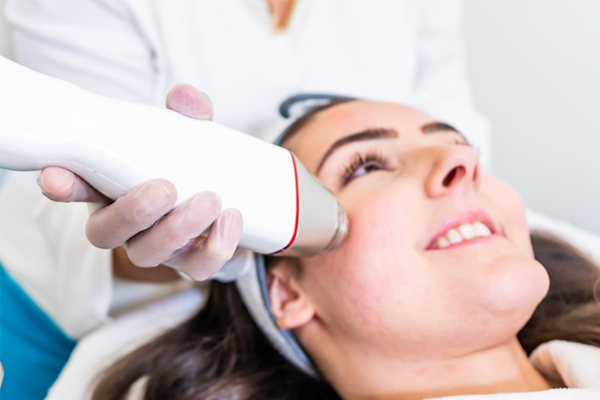
During treatment, the handpiece is applied to the skin according to the operating protocol. The needles penetrate to the preset depth and RF energy is delivered to the targeted tissue. The operator should maintain an appropriate movement pattern and treatment coverage while avoiding unnecessary repeated passes over the same area. Different devices may support different delivery modes, such as point-by-point delivery, continuous operation, or zone-based treatment, so the exact workflow should follow the specific equipment manual.
After treatment, the skin should be cared for according to the professional post-treatment protocol. Moisturizing and appropriate sun protection may be recommended depending on the individual’s skin condition. Temporary redness, mild swelling, or sensitivity may occur after treatment, and the response can vary according to skin condition and treatment parameters. If unusual or significant reactions occur, professional medical assessment should be sought promptly.
What Should You Consider When Purchasing an RF Microneedling Device?
For businesses purchasing medical aesthetic equipment, selecting an RF microneedling device involves more than comparing prices. Technical specifications, needle cartridge configuration, operating costs, safety functions, and after-sales support can all influence the suitability of a device. Since different clinics may offer different treatment services, the equipment configuration should match the actual intended applications.
Key purchasing considerations include:
- RF technical specifications: Check the RF frequency, output modes, energy adjustment range, and supported operating modes.
- Microneedle configuration: Confirm the number of needles, needle specifications, adjustable depth range, and whether cartridges can be replaced conveniently.
- Operation and control: Evaluate the display, parameter adjustment system, and interface design to ensure that professional operators can configure treatment settings accurately.
- Safety functions: Check whether the device includes abnormal-condition alerts, energy control, and other relevant safety mechanisms.
- Equipment stability: Stable RF output and reliable mechanical construction are important for clinics that expect frequent and long-term equipment use.
- After-sales support: Before purchasing, confirm installation assistance, operator training, technical support, maintenance services, and spare-part availability to reduce potential maintenance difficulties.
In simple terms, the answer to “What is RF microneedling?” is a professional aesthetic technology that combines microneedle penetration with radiofrequency energy delivery. The microneedles enter the skin while controlled RF energy is delivered to the targeted tissue, allowing the system to support different professional skin treatment applications. For clinics and equipment buyers, selection should consider the intended treatment services, technical specifications, consumable costs, operating requirements, safety features, and after-sales support. For RF microneedling equipment suppliers, providing clear information about RF frequency, needle specifications, energy adjustment, operating modes, safety functions, and applicable certifications can help potential buyers understand the equipment more efficiently and make informed purchasing decisions.