During skin care procedures, a microneedling pen may come into contact with serums, skin care solutions, or other liquids used with the device. After the procedure, small amounts of liquid may remain on the needle, liquid reservoir components, connection points, or areas near the handpiece. If not removed promptly, the residue may dry and form deposits, making subsequent cleaning more difficult. It may also cause component contamination, block connection points, or damage the device surface. Before cleaning, it is necessary to confirm the product structure, liquid type, and cleaning instructions provided by the manufacturer.
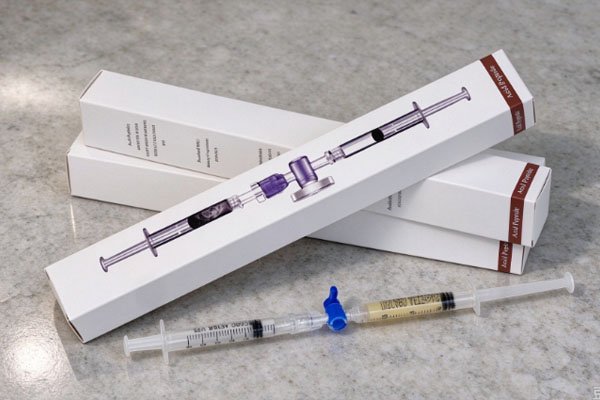
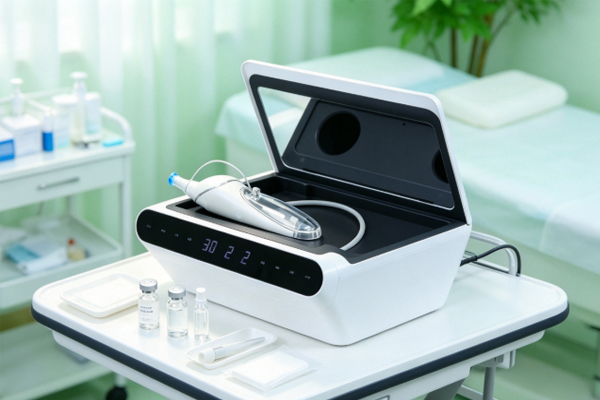
Different microneedling pen models vary in needle design, liquid storage methods, and water resistance. Therefore, the same cleaning method cannot be applied to every device. Microneedling pens equipped with syringes or liquid storage systems require particular attention to the distinction between disposable accessories and reusable components to prevent cross-contamination or equipment damage caused by improper cleaning. Using appropriate cleaning supplies, removing residue promptly, and checking the device before reuse can help maintain hygiene and extend the service life of reusable components.
Correct Steps for Handling Liquid Residue on a Microneedling Pen
After using a microneedling pen, follow the product instructions to complete shutdown, disassembly, and cleaning. Do not rinse the entire device directly with large amounts of liquid, and do not soak components without first confirming whether they are suitable for repeated use. Components that come into contact with the skin, liquids, or needles should be handled according to their intended use to prevent cleaned accessories from being mixed with untreated components.
Remove Liquid Residue from the Device Surface Promptly
After completing the procedure, turn off the device and remove any detachable accessories as instructed by the manufacturer. Use a clean, soft, low-lint wiping material to gently absorb liquid from the handpiece housing, connection points, and other non-invasive component surfaces.
Serum residue: If liquid remains on the device housing or around connection points, absorb it promptly to prevent sticky deposits from forming as it dries.
Residue at connection points: Check the connection between the liquid reservoir and the device. Clean accessible areas according to the instructions, and do not push liquid into the power port, internal channels, or motor area.
Residue near the needle: Do not touch the needle tip directly with your hands or rub the needle forcefully with an ordinary cotton swab, as this may damage the needle tip, leave fibers behind, or cause accidental puncture injuries.
If the liquid has already dried and formed deposits, do not scrape it off with blades or sharp tools. First, confirm the cleaning methods permitted for the component. Needles or disposable accessories that cannot be cleaned safely should be replaced and disposed of properly according to product requirements.
How Should Liquid Residue Be Cleaned from Different Components?
Liquid residue on a microneedling pen is not necessarily concentrated in one location. Some devices use separate needles and liquid reservoir components, while others deliver liquid through specialized connection structures. Before cleaning, distinguish between the housing, needle, liquid container, and reusable accessories to avoid applying a cleaning method unsuitable for one component to the entire device.
How to Handle Needles, Liquid Reservoirs, and Handpieces
- Needles and skin-contact components
Disposable sterile needles or needle assemblies should be replaced promptly after use according to the manufacturer’s instructions. They must not be reused simply because they appear clean. Reusable accessories may be cleaned, disinfected, or sterilized according to the specified procedure only when the manufacturer explicitly permits reuse. Ordinary wiping cannot replace the required processing procedure. Used needles should be placed in a puncture-resistant sharps container that meets local requirements and should not be discarded directly into ordinary garbage bags.
- Liquid reservoirs and syringe-type accessories
If the liquid reservoir component is disposable, dispose of it according to the product instructions. Do not clean it yourself for reuse. For liquid containers explicitly approved for repeated use, remove residual liquid according to the instructions and confirm that the cleaning agent will not adversely affect the component material. Do not mix different liquids and pour them back into the original container, and do not inject leftover liquid from a used procedure into an unused skin care solution, as this may cause contamination.
- Device handpiece and main unit
Use a soft wiping material to remove external liquid, then apply a compatible cleaning agent or disinfectant as specified by the manufacturer. Do not immerse the main unit directly in water or clean the device while it remains connected to a power source. After cleaning, check the buttons, ports, and connection points for residual liquid. Allow the device to dry thoroughly as instructed before proceeding with further operations.
How Can Device Problems Caused by Liquid Residue Be Prevented?
The effectiveness of liquid residue removal depends not only on the cleaning method but also on operating habits, accessory design, and routine maintenance. Promptly removing residual liquid after each use and conducting the necessary checks before storage can reduce the risk of dried deposits forming or liquid coming into improper contact with the device’s internal structures.
Perform Post-Use Inspections and Routine Maintenance
It is recommended to establish a simple, consistent cleaning procedure and have trained operators follow it. Cleaning requirements may vary between devices, so the product manual should always take priority over procedures used for other models.
Control liquid volume: Add skin care solutions according to the device requirements to prevent overfilling the reservoir or causing unnecessary spills around connection points.
Clean promptly: Do not allow residual liquid to remain on ports, grooves, or detachable accessories for extended periods. Cleaning supplies must be compatible with the device materials. Avoid using strong solvents that have not been approved for use.
Check device condition: Before reuse, inspect the housing, connection points, and liquid reservoir components for residual liquid, cracks, looseness, or unusual blockages. If liquid enters the main unit, stop using the device and contact the manufacturer or a qualified repair professional.
Store properly: Reusable components should be dried according to the instructions after cleaning and stored in a clean, dry environment. Accessories that must remain sterile should be packaged and stored using the prescribed methods.
Frequently Asked Questions
Q: Can a small amount of serum residue on a microneedling pen simply be wiped away after use?
A: If the residue is on a non-invasive surface, such as the device housing, it can be absorbed with a clean, low-lint material according to the instructions, followed by the required cleaning procedure. If the liquid is on a needle, inside a liquid delivery channel, or on a component that must remain sterile, follow the corresponding cleaning, replacement, or disposal requirements. Cleanliness should not be judged by visual inspection alone.
Q: How should dried liquid at the connection point of a microneedling pen be handled?
A: First, turn off the device and confirm whether the connection component can be removed and cleaned. For components that can be cleaned, use a manufacturer-approved method to remove the residue. Do not scrape the area with sharp tools or pour water into the connection. If the deposits cannot be removed or the connection becomes blocked or loose, stop using the device and consult the equipment supplier.
Q: Do both the syringe and needle need to be cleaned after using a microneedling pen with a syringe?
A: Not necessarily. The appropriate procedure depends on the product design and the intended use of each accessory. Disposable needles and syringe-type liquid reservoir components should generally be disposed of according to the label and manufacturer’s instructions. They should not be cleaned and reused independently. Only components explicitly labeled as reusable may be cleaned and processed according to the specified procedures.
Q: Can a microneedling pen continue to be used if a small amount of liquid enters the main unit during cleaning?
A: Restarting the device immediately is not recommended. Stop using it, disconnect the power supply, and contact the manufacturer or a qualified repair professional for inspection. Even if the device surface appears dry, liquid may remain inside. Connecting the device to power could cause equipment failure.
Handling liquid residue left by a microneedling pen requires following the basic principles of prompt removal, component-specific cleaning, proper disinfection, and correct storage. Residue on the device housing can be wiped away according to the instructions, while needles, liquid reservoir components, and other skin-contact parts must be handled according to whether they are disposable or reusable. Ordinary wiping must not be treated as equivalent to disinfection or sterilization, and all accessories must not be soaked or rinsed using the same method.
During routine use, operators should pay attention to the location of liquid residue, accessory materials, the device’s water resistance requirements, and the cleaning procedures specified by the manufacturer. For microneedling pens equipped with syringes, particular attention should also be paid to liquid reservoir replacement requirements to avoid reusing consumables that are not intended for reuse. If residual liquid enters the main unit, connection ports become blocked, or components show abnormalities, stop using the device promptly and arrange for a professional inspection.