Scalp health directly affects the growth environment of hair and the overall condition of hair appearance. The distribution of hair follicles, oil secretion, moisture content, keratin buildup, and changes in hair structure can all reflect whether the current scalp environment is in a stable condition. During daily care routines, visual observation alone can usually only identify more obvious problems, while it is difficult to accurately evaluate details such as pore conditions, the surrounding environment of hair follicles, and subtle hair changes. Therefore, professional detection equipment has gradually become an important auxiliary tool in scalp management.
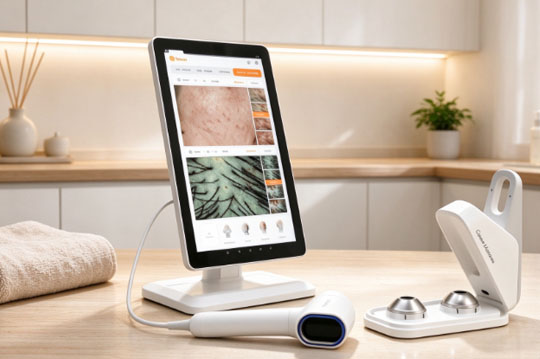
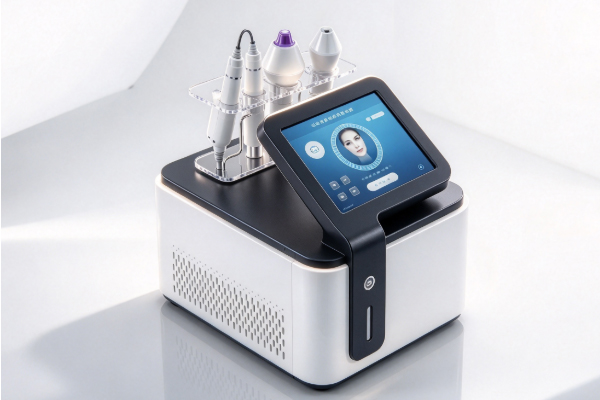
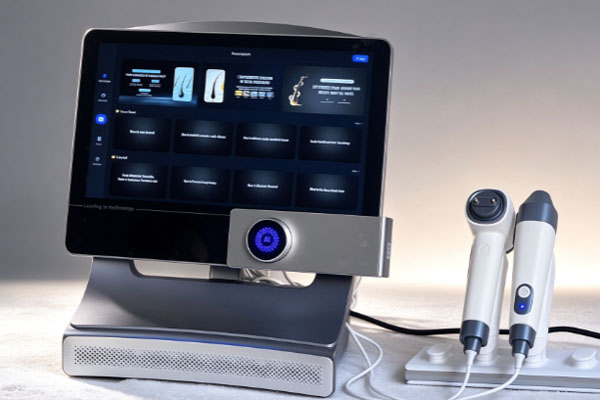
Hair Analysis is a beauty care device that uses high-definition imaging, magnified observation, and data analysis technology to detect scalp and hair conditions. The device collects images of scalp areas through a professional probe and magnifies details that are difficult to observe with the naked eye, allowing care professionals to understand the scalp environment more clearly. For example, oil coverage on the scalp surface, pore clarity, dandruff attachment, hair density, and changes in hair thickness can all be analyzed through detection images. In beauty care, scalp management, and professional maintenance applications, hair analysis instruments can help establish a more scientific detection process. Care professionals can understand the user’s current scalp condition based on detection results and provide more suitable care suggestions by combining daily care habits, hair conditions, and usage requirements. Through recorded detection data, changes in scalp conditions at different stages can also be observed, making the care process more visual and standardized.
Working Principle of Hair Analysis Instruments for Detecting Scalp Health Status
Hair analysis instruments mainly use optical magnification technology and digital image acquisition methods to closely observe scalp areas. The device probe usually has a high magnification capability, allowing it to capture details of the scalp surface and hair root areas, while the supporting software organizes and analyzes the images.
High-Definition Image Acquisition Helps Identify Scalp Detail Changes
Traditional observation methods are limited by the range of human vision and cannot clearly reveal subtle conditions inside pores or around hair follicles. Hair analysis instruments use magnified lenses to display scalp conditions on a screen, allowing care professionals to evaluate the scalp environment more accurately. During the detection process, the device can observe scalp color, texture, oil distribution, and hair arrangement. For example, when there is excessive oil coverage on the scalp surface, the magnified image may show visible oil residue; when the scalp is dry, signs such as keratin shedding or reduced surface shine may also be observed.
Data Recording Supports Scalp Condition Evaluation
Some professional hair analysis instruments are equipped with data management software that can save detection images and compare results from different time periods. Through data records, care professionals can better understand changes in scalp conditions.
Scalp Environment Detection: Observe whether the scalp surface has oil buildup, dryness, dandruff, or other conditions, providing references for care adjustments.
Pore Condition Analysis: Use magnified images to view pore distribution and assist in evaluating scalp cleanliness.
Hair Condition Recording: Detect hair thickness, density arrangement, and surface condition to help understand changes in hair quality.
Local Area Comparison: Detect different scalp areas and analyze differences in conditions between regions.
What Scalp Health Indicators Can Hair Analysis Instruments Detect?
Scalp health management requires comprehensive observation of multiple indicators. A single detection item cannot fully reflect the scalp environment. Through imaging technology, hair analysis instruments can help observe scalp surface conditions and related hair characteristics, providing more detailed information support for professional care.
Analysis of Scalp Oil Secretion Conditions
Oil is one of the important factors affecting scalp conditions. Appropriate oil levels can help maintain the scalp protection environment, but excessive oil secretion may cause a greasy feeling on the scalp surface and affect hair volume and appearance. Hair analysis instruments can observe oil distribution on the scalp surface through high-definition images, helping care professionals determine cleaning and maintenance requirements. During detection, the device can display the degree of oil coverage in scalp areas. Combined with the user’s daily hair condition, it can assist in selecting suitable care methods. For example, scalps with more noticeable oil conditions may require enhanced cleansing management, while dry scalps may require additional moisturizing care.
Observation of Hair Follicle Environment and Hair Density
Hair follicles are the foundation of hair growth, and their surrounding environment can affect hair growth conditions. Hair analysis instruments can magnify hair follicle areas to help observe pore openings, hair distribution, and local density changes.
Through detection images, care professionals can observe:
Hair Follicle Surrounding Conditions: Check whether there is keratin residue or oil attachment around pores.
Hair Density Changes: Record hair quantity distribution in different areas.
Hair Growth Conditions: Observe changes in the proportion of new hair, fine hair, and thick hair.
Scalp Area Differences: Compare scalp conditions in different locations to facilitate targeted care.
Hair Structure and Damage Condition Detection
In addition to scalp conditions, hair analysis instruments can also be used to observe the condition of the hair itself. Through magnified observation, users can understand whether the hair surface shows roughness, dryness, breakage, or other conditions. When hair is exposed to frequent coloring, heat treatments, environmental effects, or improper care methods, structural changes may occur. By detecting hair conditions, care professionals can help users understand current hair maintenance needs and adjust daily care methods.
Application Value of Hair Analysis Instruments in Professional Scalp Care
Hair analysis instruments are not only used for detecting scalp conditions but also improve the professionalism of the entire care process. Through the image data provided by the equipment, care professionals can understand user needs more clearly and develop more suitable care plans.
Providing a Basis for Personalized Scalp Care
Everyone has different scalp conditions, and suitable care methods may also vary. Some people may experience excessive oil secretion, while others may have dry or sensitive scalp conditions. If evaluation relies only on appearance, some details may be overlooked. Hair analysis instruments provide more visual detection results, allowing care professionals to select suitable products and care procedures based on actual conditions. For example, if detection shows obvious scalp oil accumulation, cleansing management can be strengthened; if the scalp appears dry, moisturizing care can be increased.
Enhancing the Professional Experience of Scalp Detection
Professional detection equipment allows users to understand their scalp conditions more visually. Through displayed detection images, users can view magnified scalp conditions instead of only relying on descriptions to understand problems. This detection method can improve communication during care consultations and help users better understand scalp changes. At the same time, detection data can serve as care records and provide references for future maintenance.
Supporting Beauty Institutions in Developing Scalp Management Services
Beauty salons, skin management centers, and scalp care institutions can use hair analysis instruments to improve service processes. From initial detection and condition evaluation to care process records, the equipment can provide more comprehensive and systematic data support. Based on detection results, care professionals can introduce scalp conditions more accurately and provide corresponding care programs according to different needs, improving the professional level of service procedures.
Frequently Asked Questions
What scalp problems can hair analysis instruments detect?
Hair analysis instruments are mainly used to observe scalp surface conditions, including oil levels, scalp cleanliness, pore conditions, hair density, and hair appearance. The equipment can help identify details that are difficult to notice with the naked eye and provide references for scalp care.
Are hair analysis instrument results equivalent to medical examinations?
Hair analysis instruments are detection devices used in beauty care and scalp management fields. They are mainly used to observe and evaluate scalp conditions and cannot replace professional medical examinations. If severe hair loss, scalp inflammation, or persistent abnormal conditions occur, professional medical testing should be combined for evaluation.
What should be considered before using a hair analysis instrument?
Before scalp detection, it is usually recommended to maintain the natural scalp condition and avoid using large amounts of styling products or heavily covering care products shortly before testing to reduce the influence of external factors on detection results. Different devices may have different detection procedures, and specific operations can be performed according to the equipment instructions.
Hair analysis instruments provide clearer evaluation references for scalp health detection through high-definition imaging, magnified observation, and data recording technologies. The equipment can help observe scalp surface conditions, pore distribution, oil levels, keratin attachment, and hair changes, allowing care professionals to understand the current scalp environment more comprehensively. Compared with traditional observation methods that rely only on appearance, hair analysis instruments can present more detailed information and make the scalp detection process more scientific and standardized. During scalp care, accurately understanding individual conditions is an important foundation for selecting suitable care methods. Through hair analysis instrument detection, users can gain a clearer understanding of their scalp characteristics, while care professionals can adjust cleansing, maintenance, and management plans based on detection results. Whether for daily scalp maintenance or professional care project evaluation, detection data can provide valuable references.