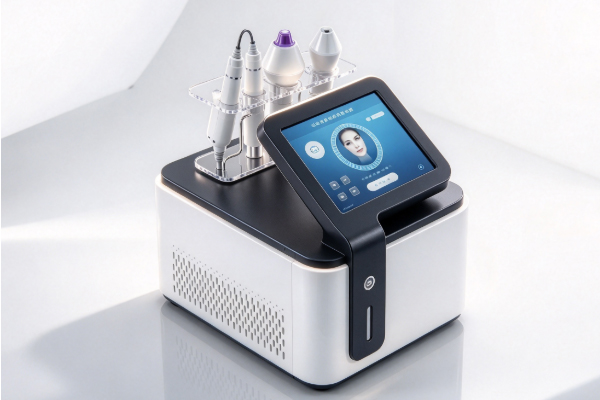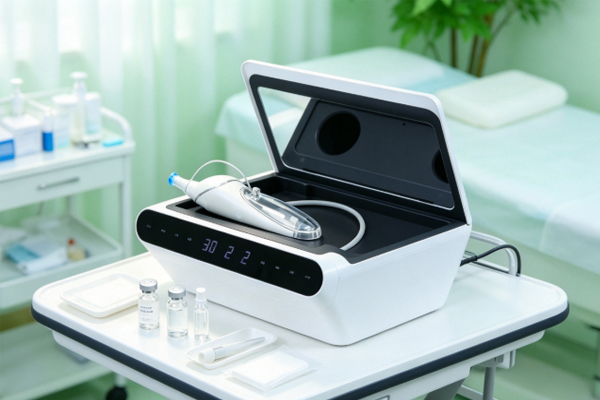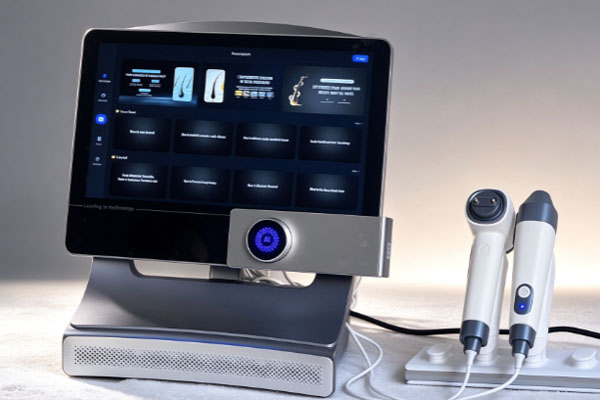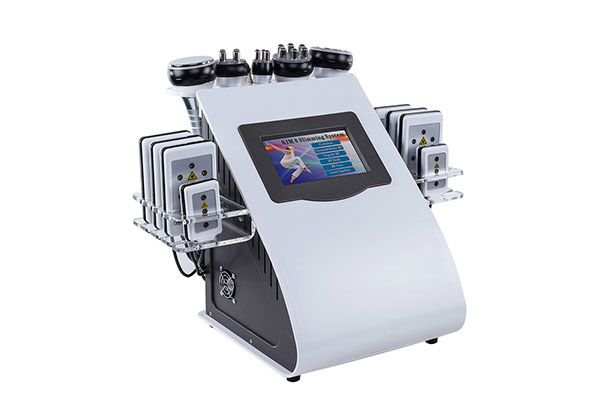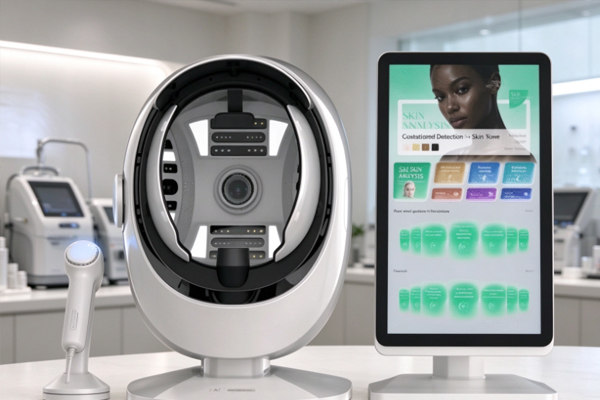
An AI skin and hair analysis machine combines facial skin imaging with scalp and hair observation functions, helping beauty clinics and scalp care centers understand clients’ visible characteristics. Depending on the equipment configuration, detection items may include pores, pigmentation, wrinkles, scalp surface conditions, and hair distribution. Some professional devices also support detailed hair analysis. Understanding the scope and technical limitations of each function helps businesses select suitable equipment and explain results accurately.
What Can AI Skin Analysis Detect?
Facial skin analysis primarily uses images to display visible skin surface features. Different imaging modes are designed to meet different observation needs.
Pores, Wrinkles, and Skin Texture
Facial images can display the appearance of skin across multiple areas. Common analysis items include the following.
- Pore Appearance: Observe pore distribution, visible area, and appearance differences to compare skin characteristics across areas such as the nose and cheeks.
- Wrinkles and Fine Lines: Identify line features on the forehead, around the eyes, and in other areas to document the visible appearance of wrinkles and fine lines.
- Skin Texture: Analyze image features related to surface texture and roughness to provide a reference for understanding skin appearance.
These indicators primarily describe visible skin surface features and cannot directly reveal specific changes in underlying skin tissue.
Pigmentation, Skin Tone, and Redness
With suitable lighting and image processing functions, the device can also display facial color distribution and localized differences.
- Pigmented Spots: Mark visible pigmented areas in images to help observe their distribution.
- Skin Tone Uniformity: Compare color characteristics across different facial areas to identify visible variations in skin tone.
- Redness Distribution: Display areas of facial redness to provide additional information for observing changes in skin appearance.
Color analysis results can be affected by lighting, image capture conditions, and algorithms. They cannot independently determine pigmentation depth or diagnose skin diseases.
What Can AI Scalp Analysis Detect?
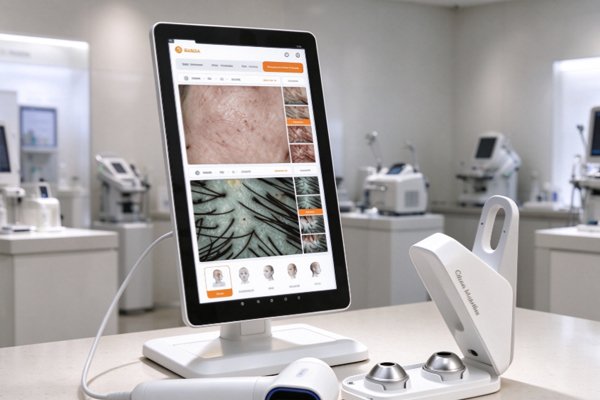
Scalp analysis generally requires close-up imaging of specific areas to capture visible features of the scalp surface and the areas surrounding hair roots.
Scalp Surface and Follicular Openings
Scalp images help practitioners understand appearance differences across different areas. The observable details depend on lens magnification and image clarity.
- Scalp Surface: Observe surface shine, visible flakes, and other surface features to document the scalp’s appearance.
- Follicular Openings: When image resolution is sufficient, observe the visible shape of follicular openings and the surrounding areas.
- Regional Differences: Compare images from areas such as the hairline and crown to identify differences in scalp appearance and hair distribution.
These observations help organize scalp imaging records, but the appearance of follicular openings alone cannot establish the complete physiological condition of hair follicles.
Scalp Oiliness, Flakes, and Localized Features
In addition to examining structures around follicular openings, some devices can record other visible changes on the scalp surface.
- Surface Shine: Observe the distribution of reflected light to compare visual differences between areas.
- Flake Appearance: Identify visible flakes or areas of scaling in images to document localized features.
- Color and Texture: Compare local scalp color and surface appearance to provide image-based information for subsequent observation.
These results reflect appearance under specific imaging conditions. They cannot directly measure sebum production or independently determine the causes of abnormal features.
What Can AI Hair Analysis Detect?
Hair analysis focuses on hair shaft appearance and localized hair distribution. The level of detail and quantitative analysis available varies between devices.
Visual Hair Thickness and Appearance
Conventional optical images primarily show the visible width and shape of hair shafts. Accurate measurement depends on the device’s imaging and calibration capabilities. Comparing the visible widths of different hair shafts can reveal relative thickness differences, but pixel width should not be treated as the actual physical diameter of a hair shaft. Observing hair arrangement, curvature, and breakage helps describe localized hair appearance. Professional devices with suitable analytical functions may further assess differences in hair shaft diameter or the proportion of finer hairs. Magnification, pixel resolution, focus, and lighting can all affect the results. When diameter measurements are required, confirm that the device supports calibrated measurement.
Hair Distribution, Follicular Units, and Density Characteristics
Hair distribution analysis can extend from overall counts to localized structural assessment, although more detailed indicators require suitable hardware and algorithms. Observing hair arrangement in a defined area helps compare distribution across different scalp regions. When imaging quality and algorithms permit, a device may identify the number of visible hairs within an individual follicular unit, providing information beyond simple density statistics. Some professional systems can analyze the distribution of terminal and vellus hairs. Saving images of the same area under similar capture conditions also supports comparisons over time. Follicular unit counts, hair shaft thickness differences, and the ratio of terminal to vellus hairs can be useful in professional hair assessments. However, not every combination analysis machine supports these functions, and image analysis alone cannot diagnose a type of hair loss.
How to Choose a Suitable AI Skin and Hair Analysis Machine?
When selecting equipment, evaluate the imaging hardware, software analysis capabilities, and daily operating procedures to ensure the actual functions meet the service needs of the business.
Check Optical Configuration and Detection Capabilities
Facial and scalp examinations differ in working distance, field of view, and detail resolution. The technical configuration of each imaging mode should therefore be evaluated separately.
- Facial Imaging: Check the device’s full-face imaging capabilities and the lighting and imaging modes used to analyze pores, skin tone, and skin texture.
- Scalp Magnification: Review lens magnification and image clarity to confirm that the device can capture the details required in the target examination area.
- Probe and Lens Switching: Determine whether the device uses separate probes, interchangeable lenses, or an integrated optical design, and confirm how the switching process works in practice.
- Indicators and Accuracy: If follicular unit counting or hair shaft diameter analysis is required, verify that the device supports these functions and review its measurement methods and calibration conditions.
Evaluating the imaging system and analysis indicators separately helps prevent businesses from judging actual capabilities based solely on the device name or promotional descriptions.
Evaluate Reports and Daily Operation
Beyond hardware performance, report readability, image record management, and maintenance convenience also affect the practical value of the equipment.
- Report Content: Check whether image annotations, indicator names, and result explanations are clear enough for staff to explain the findings to clients.
- Record Management: Confirm whether the device can save examination images and compare records of the same area over time.
- Operating Procedures: Evaluate the convenience of facial imaging, scalp image capture, and probe switching to ensure the workflow suits the business’s daily operations.
- Maintenance Requirements: Review lens cleaning, probe care, and routine equipment maintenance procedures to reduce the risk of improper maintenance affecting image quality.
Efficient operating procedures and report management improve the usability of examination records, but all interpretations should remain within the device’s actual capabilities and the appropriate scope of its results.
An AI skin and hair analysis machine can consolidate information about facial skin, scalp surfaces, and visible hair characteristics to support beauty consultations and scalp condition tracking. Optical structures, magnification capabilities, and analytical indicators vary between devices, so buyers should verify the actual functions before making a selection. Guangzhou Cosnext Technology Co.;Ltd can provide equipment information and selection support for beauty businesses, helping them understand which configurations suit their service requirements.