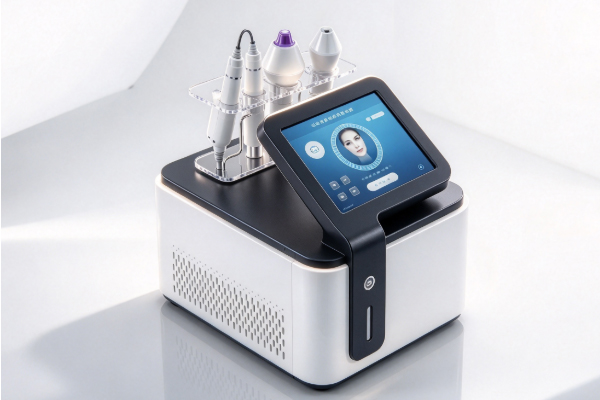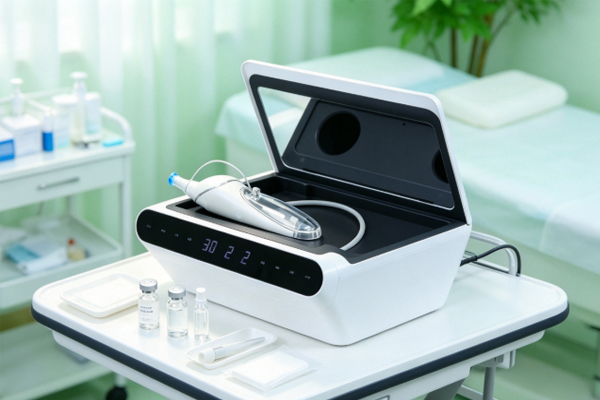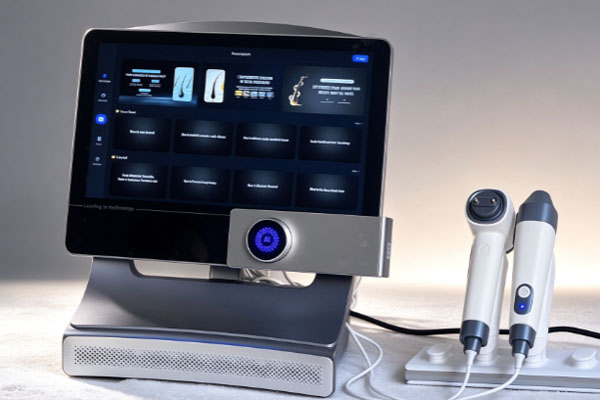
Acne scars are a common skin concern that can remain after acne lesions have healed. They may appear as depressions, raised areas, uneven skin tone, or red and brown marks. Different types of acne scars develop due to different changes in the skin tissue, so the most appropriate treatment can vary. Radiofrequency (RF) microneedling is an aesthetic treatment technology that combines microneedle penetration with radiofrequency energy. The needles deliver RF energy to targeted skin depths, stimulating the skin’s natural repair response and supporting collagen remodeling. For medical and aesthetic clinics, understanding which acne scars may respond to RF microneedling helps professionals select suitable equipment, assess potential candidates, and develop appropriate treatment plans. However, RF microneedling is not suitable for every type of acne scar. Its potential effectiveness depends on scar characteristics, skin condition, device settings, and professional assessment.
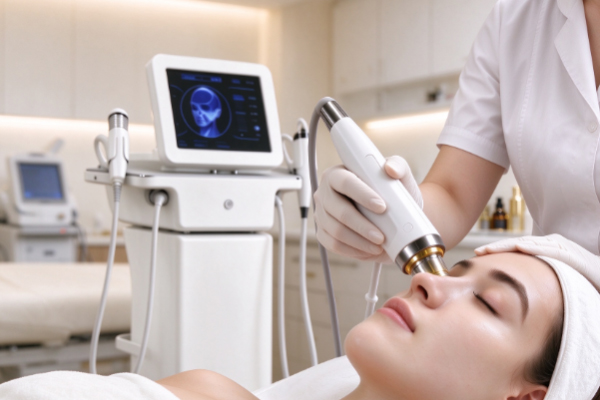
Which Types of Atrophic Acne Scars Can RF Microneedling Improve?
Atrophic acne scars are among the common concerns addressed by RF microneedling. These scars are often associated with inflammation-related damage to the dermis, collagen loss, and abnormal tissue repair. They create depressions of varying depths and shapes on the skin’s surface. RF microneedling uses fine needles to reach targeted skin layers and deliver controlled radiofrequency energy, generating thermal stimulation that may support tissue repair and collagen remodeling. Following professional assessment, RF microneedling may help improve skin texture and the appearance of certain shallow depressions and scars with irregular contours.
Common types of atrophic acne scars include the following:
- Rolling acne scars: These scars create wave-like depressions with relatively smooth, sloping edges. Some are associated with fibrous bands beneath the skin that pull the surface downward. RF microneedling may help improve skin texture, but deeper tethering may require additional procedures, such as subcision, depending on a physician’s assessment.
- Boxcar acne scars: These scars have more clearly defined edges and relatively flat bases, with varying depths. RF microneedling may help improve the appearance of some shallow to moderately deep boxcar scars by softening their contours and improving overall skin texture. Deep scars with sharply defined edges may require combination treatment.
- Shallow atrophic acne scars: These scars are relatively superficial and may be widespread, accompanied by enlarged pores and rough skin texture. RF microneedling may be considered as part of a professional treatment plan. The degree of improvement depends on scar depth, individual skin response, and the treatment protocol.
- Deep ice pick scars: These scars have narrow openings but extend deeply into the skin. RF microneedling alone may not adequately address their depth. Depending on the individual case, a dermatologist may consider targeted treatments such as chemical reconstruction techniques, fractional laser treatment, or other scar-specific procedures.
It is important to recognize that atrophic acne scars are not a single, uniform condition. One person may have a combination of rolling, boxcar, and ice pick scars. A skin assessment should identify scar depth, tissue structure, and the presence of active acne before determining whether RF microneedling is appropriate.
Is RF Microneedling Effective for Raised Acne Scars and Hypertrophic Scars?
Raised acne scars differ from atrophic scars because they are generally associated with excessive collagen production and the formation of excess scar tissue. Common examples include hypertrophic scars and keloids. RF microneedling primarily uses microneedles and radiofrequency energy to produce a controlled tissue response. This does not mean that it can directly eliminate abnormally proliferating scar tissue. For scars that are significantly raised, firm, progressively enlarging, or associated with itching or pain, RF microneedling should not be treated as the default treatment option. In particular, people with keloids require careful evaluation by a dermatologist because skin injury may trigger or worsen abnormal scar formation. Depending on the diagnosis, a physician may consider intralesional injections, laser therapy, or other established treatments. When evaluating RF microneedling equipment, medical and aesthetic providers should distinguish between atrophic and hypertrophic scars rather than relying solely on promotional claims. Skin with a high risk of abnormal scarring requires professional assessment, and all treatments must comply with the device’s registered or approved indications and operating instructions.
Is RF Microneedling Suitable for Red and Brown Acne Marks?
Red and brown acne marks are generally different from typical atrophic scars. Red marks may be associated with post-inflammatory vascular changes, while brown marks commonly result from post-inflammatory hyperpigmentation. Both can persist after acne has healed, but they do not necessarily involve significant structural damage to the dermis. RF microneedling primarily targets tissue remodeling and certain scar-related concerns. It is not specifically designed to eliminate every type of red or brown acne mark. For skin affected mainly by hyperpigmentation, sun protection, appropriate topical skincare, and professionally assessed pigment-targeting treatments may be more suitable. Persistent redness requires evaluation to determine whether residual inflammation or vascular changes are involved. For skin that combines depressed scars, rough texture, and uneven pigmentation, a qualified professional may assess whether a staged combination treatment is appropriate. Skin tone, the risk of post-inflammatory hyperpigmentation, recent sun exposure, and skin barrier condition should all be considered before treatment. When selecting RF microneedling equipment, providers should review the manufacturer’s stated indications, available parameters, needle specifications, and safety instructions. The ability to improve atrophic scars should not automatically be interpreted as evidence that the device can treat pigment-related acne marks.
Key Factors That Affect RF Microneedling Results for Acne Scars
The degree of improvement achieved with RF microneedling varies according to several factors. Even when the same device is used, individual skin responses can differ considerably. When evaluating a treatment plan, professionals should pay attention to the following considerations:
- Scar type and depth: Shallow depressions and deep, narrow scars have different tissue structures, treatment challenges, and expected outcomes. Deep tissue tethering or significant fibrosis may require combination procedures.
- Skin condition: Active acne, infection, significant inflammation, or a compromised skin barrier may require attention before RF microneedling is considered.
- Device performance and parameter control: RF output stability, adjustable needle depth, energy control, needle design, and safety features can affect treatment precision. Trained professionals should select settings according to the device instructions and the individual’s skin condition.
- Treatment frequency and intervals: Collagen remodeling takes time, and some patients may require multiple sessions before changes become noticeable. The number of treatments should be determined by professional assessment and skin recovery rather than by an arbitrary preference for frequent sessions or higher energy levels.
- Post-treatment care and sun protection: Patients should follow professional aftercare instructions, cleanse the skin gently, maintain appropriate moisturization, and use sun protection. During recovery, they should avoid irritating skincare products and other intensive cosmetic procedures unless advised by a qualified professional.
- Individual differences and realistic expectations: Age, scar duration, skin thickness, previous treatments, and individual healing capacity may all influence outcomes. RF microneedling cannot guarantee complete scar removal. Expected improvements and potential risks should be discussed before treatment.
A structured treatment assessment is important not only for achieving appropriate results but also for reducing risks such as burns, infection, post-inflammatory hyperpigmentation, and abnormal scarring. If redness or swelling worsens or persists, or if significant pain, discharge, or other unusual symptoms develop after treatment, prompt medical evaluation is recommended.
How Can Clinics Choose RF Microneedling Equipment for Acne Scar Treatment?
Medical and professional aesthetic clinics planning to offer acne scar treatments should select RF microneedling equipment according to their target patient population, professional qualifications, staff training, and the device’s actual approved or registered indications. Purchasing teams should carefully evaluate the following criteria:
- Indications and regulatory documentation: Confirm that the device has the registration, filing, or other regulatory documentation required in the intended market. Verify the manufacturer’s stated indications and do not purchase equipment based on unverified treatment claims.
- Needle depth and energy adjustment: Check whether the device provides appropriate depth and energy controls, whether adjustments are clearly defined, and whether the parameter display supports accurate operation by trained professionals.
- Needle quality and consumable management: Verify needle specifications, packaging integrity, sterility, single-use requirements, and consumable availability. Establish appropriate storage, handling, and replacement procedures.
- Safety features and operator training: Review the device’s control and safety features. Determine whether the supplier provides complete operating instructions, professional training, maintenance support, and troubleshooting services.
- After-sales service and long-term operating costs: In addition to the purchase price, consider the cost of needles and other consumables, maintenance expenses, warranty terms, repair response times, and equipment upgrade support.
RF microneedling may provide a treatment option for improving certain atrophic acne scars, but it is not suitable for every type of scar. Following professional assessment, it may be useful for rolling scars, some boxcar scars, and shallow atrophic scars. Deep ice pick scars, prominent hypertrophic scars, keloids, and acne marks consisting mainly of redness or pigmentation require careful evaluation and may call for alternative treatments. When purchasing equipment, medical and aesthetic providers should assess regulatory compliance, parameter control, consumable quality, training, and after-sales support to ensure that the device’s intended use matches the qualifications and capabilities of the professionals operating it.