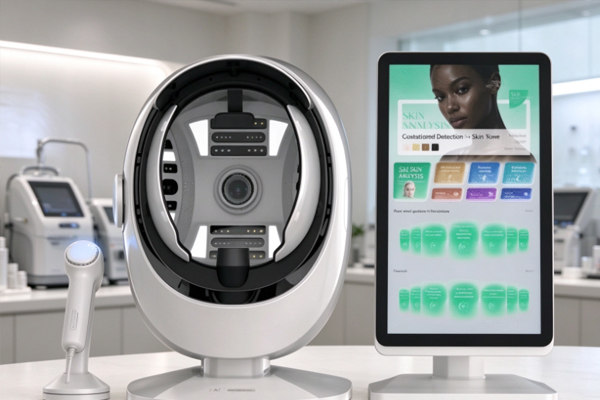
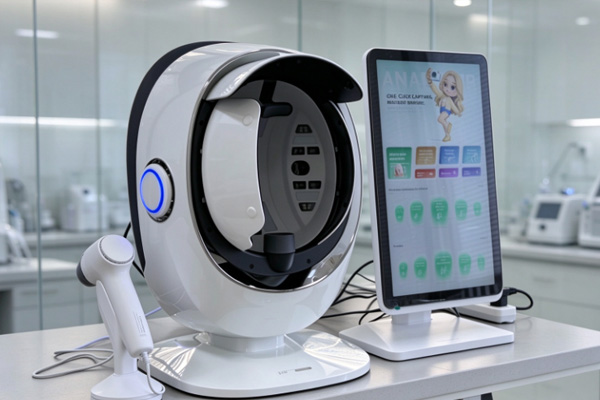
Skin conditions can change with daily skincare routines, lifestyle habits, and environmental factors. A single assessment cannot fully capture these changes over time. Skin analyzers can store facial images and analysis data from different dates, helping beauty clinics observe visible features such as skin tone, pores, pigmentation distribution, and fine lines. To obtain meaningful comparison results, clinics need to maintain complete assessment records, control image capture conditions, and analyze images alongside relevant data. A standardized comparison process makes it easier to track skin conditions, explain findings to clients, and plan subsequent skincare services.
Establishing Time-Based Skin Analysis Records
Consistent recordkeeping is the foundation of tracking changes over time. Each assessment should retain the necessary information so that results from different dates can be accurately matched.
Saving the Initial Assessment Results
The first assessment serves as the baseline for future comparisons, so its records should be complete and clear.
- Save Facial Images: Keep clear original photographs for reviewing changes in visible skin characteristics.
- Record Assessment Details: Include the assessment date, analysis items, and relevant metrics generated by the device.
- Organize Client Records: Maintain individual client files to make assessment records from different periods easy to retrieve.
Complete baseline records help prevent missing information during subsequent comparisons.
Developing a Suitable Follow-Up Assessment Schedule
Follow-up assessments should be scheduled according to the observation goals and actual skincare cycle rather than performed at arbitrary intervals.
- Set Assessment Dates: Schedule follow-up sessions in advance to support ongoing skin tracking.
- Maintain Continuous Records: Save each result according to the plan to create a clear timeline.
- Add Relevant Notes: Record recent skincare procedures and client feedback to help explain differences in assessment results.
Consistent records help reveal trends, but the sequence of changes alone cannot establish that a particular skincare treatment directly caused them.
How to Control Assessment Conditions at Different Times
The testing environment and image capture conditions can affect how skin appears in images. Keeping the procedure as consistent as possible improves the comparability of results.
Maintaining Stable Image Capture Conditions
During follow-up assessments, use the same image capture procedure whenever possible to minimize interference from environmental differences. Use the same device lighting mode to reduce variations in brightness and shadows, and keep the head angle, camera distance, and facial orientation as consistent as possible. Standardize preparation before each assessment, including cleansing and makeup conditions, to prevent skincare product residue from affecting image appearance. Stable capture conditions make differences between images easier to identify.
Standardizing Analysis Settings
In addition to the capture environment, device parameters and analysis areas can also affect comparison results.
- Use the Same Mode: When comparing the same type of skin feature, use the same imaging mode whenever possible.
- Keep Analysis Areas Consistent: Select the same facial regions to avoid misinterpretation caused by differences in the areas being assessed.
- Check Metric Definitions: Understand what each device metric represents and avoid directly comparing indicators calculated using different methods.
Consistent settings help reduce differences unrelated to skin conditions and improve the reference value of assessment records.
How Does a Skin Analyzer Compare Changes Over Time
After multiple assessments have been completed, changes can be observed by comparing facial images with data generated by the device. Each method serves a different purpose and should be selected according to the analysis objectives.
Comparing Facial Images
Image comparisons are useful for observing visible skin features and identifying areas that require closer attention.
- Review Overall Changes: Compare facial photographs from different dates to observe skin tone and overall texture.
- Examine Local Details: Zoom in on areas of interest, including pores, fine lines, and pigmentation.
- Match Corresponding Areas: Compare the same facial regions to reduce errors caused by differences in photo angles.
Image differences should be interpreted in the context of capture conditions. Not every visible change indicates an actual change in the skin itself.
Comparing Analysis Data
When a device supports data storage and reporting, metrics can be compared to review assessment results from different dates.
- Review Numerical Changes: Compare records for the same analysis item across different assessment dates.
- Observe Trends: Review multiple assessments to identify ongoing patterns instead of drawing conclusions from a single result.
- Combine Data with Images: Examine relevant metrics alongside the corresponding facial regions to improve interpretation.
Data should primarily serve as a reference for observation. Its meaning and applicable scope depend on the device’s actual functions and specifications.
How to Use Comparison Results to Improve Client Services
Periodic comparisons help beauty clinics organize client records, identify key communication points, and plan subsequent services.
Planning Follow-Up Skincare Based on Assessment Records
Assessment results can help staff identify areas that require continued observation, but skincare arrangements should still reflect each client’s individual circumstances. Staff should identify the skin features that need further tracking based on client concerns, record skincare plans and any adjustments for future review, and determine assessment intervals according to observation goals rather than focusing excessively on short-term fluctuations. If a client experiences persistent or unusual skin problems, they should be advised to consult a qualified healthcare professional.
Improving the Practical Value of Comparison Reports
Clear reports help clients understand assessment findings and enable clinics to maintain more standardized service procedures.
- Identify Assessment Dates: Label each assessment date clearly to make records from different periods easy to review.
- Explain the Scope of Analysis: Clarify what the images and metrics can indicate, avoiding exaggerated conclusions.
- Manage Records Responsibly: Store client images and assessment information in accordance with privacy requirements, and obtain the necessary authorization before using these materials for display or promotional purposes.
Proper report management improves communication efficiency and supports long-term client recordkeeping.
Comparing skin conditions at different times with a skin analyzer relies on maintaining complete assessment records, keeping image capture conditions consistent, and interpreting images and data appropriately. Beauty clinics can select suitable analysis items based on client needs and establish a clear follow-up assessment process so that each result provides practical value. Guangzhou Cosnext Technology Co., Ltd. provides beauty industry clients with relevant device information and product selection support, helping clinics identify skin analysis solutions suited to their business needs.