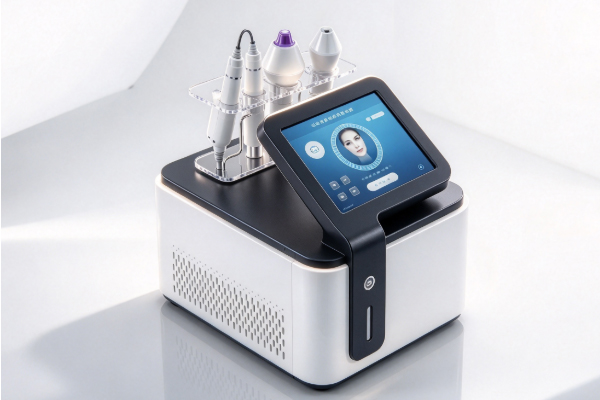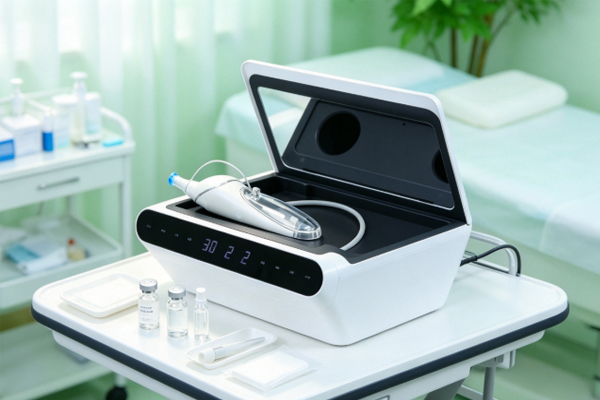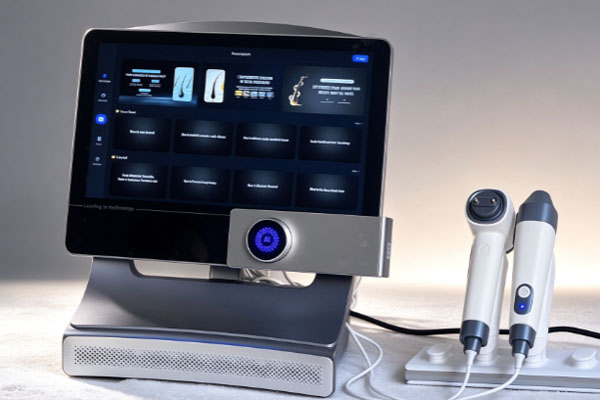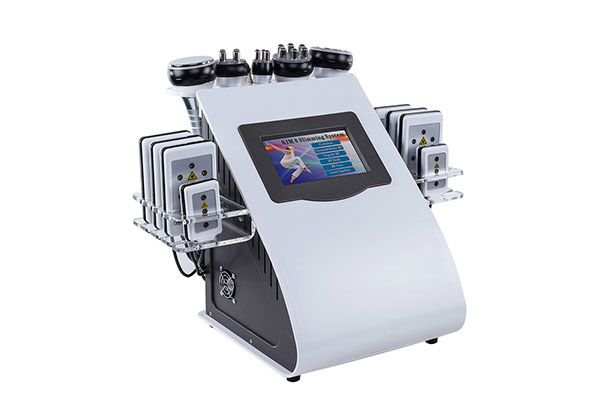
If you are new to fibroblast plasma, you may be wondering how it differs from other beauty devices and why it is often discussed for skin tightening and fine lines. The technology uses plasma energy to create controlled effects on the skin surface, attracting attention in the beauty industry. However, it is not a simple skincare treatment, and stronger settings do not automatically mean better results. Whether you are a beauty professional learning about the treatment or a clinic evaluating equipment, it is important to understand how the technology works, its potential uses, recovery requirements, and safety risks before making a decision.
What Is Fibroblast Plasma and How Does It Work?
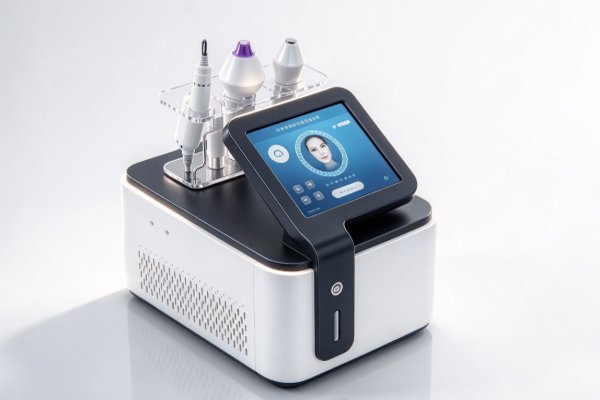
Fibroblast plasma treatments typically use a plasma pen to create tiny points of thermal effect on the skin through controlled electrical energy. This process stimulates the skin’s natural repair response. Fibroblasts play a role in collagen production and maintaining skin structure, which is why the technology is often associated with skin tightening and fine-line improvement. However, results vary depending on the device, treatment technique, and individual skin condition. The same outcome cannot be guaranteed for everyone.
- Plasma energy application: Under specified operating conditions, the device generates small electrical discharges that concentrate energy on the targeted skin area.
- Stimulating the repair response: Controlled skin stimulation triggers a natural repair process, but it does not guarantee a specific amount of collagen production or a particular tightening result.
- Addressing cosmetic concerns: Treatments may focus on fine lines, mild skin laxity, and surface texture. A professional assessment is needed to determine whether the procedure is appropriate.
- Non-surgical does not mean non-invasive: The procedure may cause tiny skin injuries and scab formation, with potential risks including infection, pigmentation changes, and scarring.
Understanding the basic mechanism helps distinguish realistic expectations from marketing claims. When choosing a device, review its design, operating limitations, and relevant compliance documentation rather than relying on promotional images alone.
What Skin Concerns Can Fibroblast Plasma Address?
Fibroblast plasma treatments are often discussed in relation to localized skin tightening and fine-line improvement, but they are not suitable for every skin concern. For beauty clinics, explaining the treatment’s limitations is more responsible than promising quick results. Whether a treatment is worth considering depends on the individual’s skin condition, expected outcome, recovery time, and potential risks.
- Localized fine lines: Some treatments target fine lines around the eyes or mouth. These areas are particularly sensitive and require careful professional assessment.
- Mild skin laxity: The treatment may be used to address the appearance of localized skin laxity, but it cannot replace surgery or guarantee a significant lifting effect.
- Skin texture concerns: Some practitioners use the technology to address localized surface irregularities. Results vary, and supporting evidence remains limited.
Anyone with an active skin infection, significant inflammation, open wounds, or a history of abnormal scarring should receive a professional assessment before considering treatment. Extra caution is also necessary for people with darker skin tones or a tendency toward hyperpigmentation, as well as those with health conditions that may affect wound healing. A suitably qualified professional should determine whether the treatment is appropriate.
How Long Is the Recovery Period After Fibroblast Plasma Treatment?
After treatment, the skin may experience redness, swelling, tightness, mild discomfort, and small scabs. Recovery time depends on the treatment area, energy settings, and individual skin response. Scabs should fall off naturally and should never be picked. During recovery, avoid friction, harsh skincare products, and applying makeup too soon. Follow the aftercare instructions provided by the treating professional, including appropriate cleansing and sun protection.
If pain becomes increasingly severe, the skin feels unusually hot, abnormal discharge develops, or redness continues to spread, seek medical assessment promptly. Because this technology can damage the skin, it should not be used at home without appropriate qualifications and training. An easy-to-use device does not eliminate the need for safety screening, professional instruction, and proper treatment protocols.
How to Choose a Fibroblast Plasma Device: Key Features to Check
For beauty clinics, choosing equipment involves more than comparing prices and appearance. Energy control, operating consistency, accessory availability, and after-sales support can all affect day-to-day use. Before selecting a device, review the following points:
- Clear energy controls: Check how settings are adjusted, the available adjustment range, and the device’s operating limitations. Make sure the instructions are complete and easy to follow.
- Treatment tips and accessories: Confirm accessory specifications, replacement procedures, and the availability of consumables to avoid maintenance difficulties later.
- Safety features and training: Check whether the manufacturer provides operating instructions, risk warnings, and appropriate training. Automated functions should never be treated as a guarantee of safe operation.
- Complete compliance documentation: Verify the registration, certification, or other documentation required in the intended sales and use markets. Marketing language alone is not proof of regulatory compliance.
- Reliable after-sales support: Ask about warranty coverage, repair procedures, and replacement-part availability to support long-term equipment planning.
Fibroblast plasma is a beauty technology that requires careful evaluation. The device itself is only one part of the process; professional training, screening for treatment suitability, and appropriate aftercare are equally important. If you are selecting equipment for a beauty clinic, define the intended use first, then ask about energy settings, accessory lists, operating limitations, and compliance documentation for the specific model. Checking these details carefully is more useful than choosing a device simply because it offers more features or has a lower price.