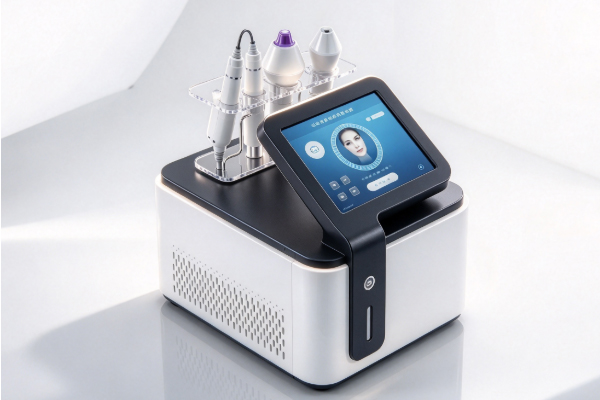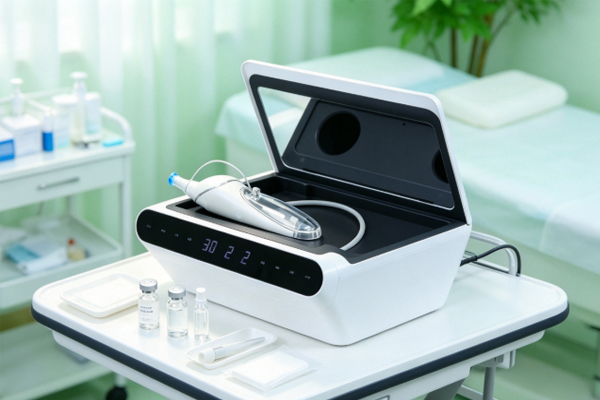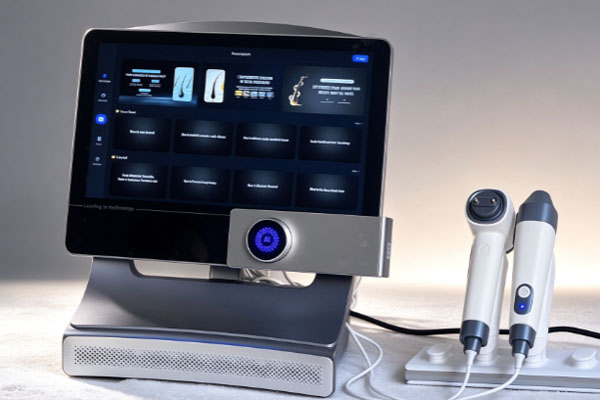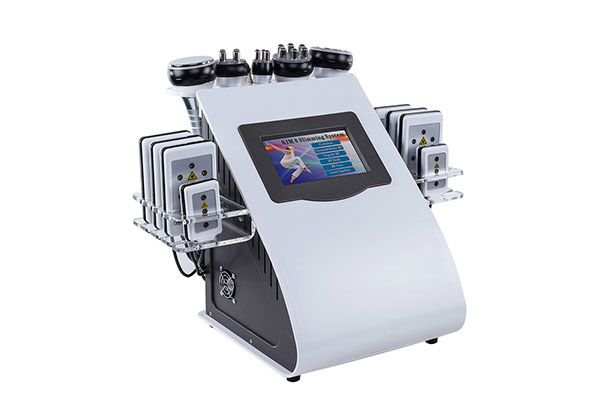
How can a mesotherapy gun control injection dosage while using vacuum suction to assist the procedure? The answer lies in its internal drive mechanism, needle assembly, and parameter controls. For beauty salons, skin care centers, and professional aesthetic clinics, understanding how the device works makes it easier to determine whether it suits their existing treatments and helps staff become familiar with its functions. Designs vary by model, but common needle-based mesotherapy guns with vacuum assistance coordinate skin suction, needle movement, and fluid delivery to perform injections.
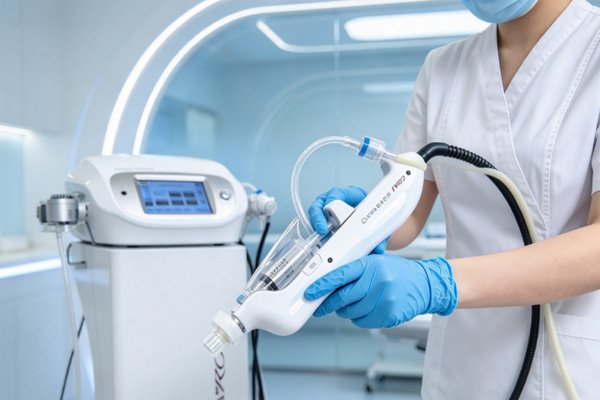
How Does a Mesotherapy Gun Work?
A typical mesotherapy gun uses an internal drive mechanism to control needle movement and works with a syringe to deliver the intended liquid. Some models also feature vacuum assistance to draw the skin toward the treatment head during operation. These components work together to complete the procedure according to the device’s settings.
- Vacuum suction: Some devices create negative pressure around the treatment area to draw in the skin and help the treatment head maintain contact with the target area.
- Needle drive mechanism: The internal mechanism controls needle movement. The insertion method and available depth range depend on the device design.
- Controlled fluid delivery: The syringe and drive system work together to deliver liquid according to the selected settings, helping reduce variations associated with relying entirely on manual injection.
- Needle retraction: Some models retract the needle after the programmed action is completed, ending the current operating cycle. The exact sequence depends on the product design.
How smoothly these functions work together can affect the overall operating experience. When selecting a device, pay attention to control precision, needle compatibility, and how clearly the parameters can be adjusted, rather than focusing on appearance alone.
What Do Vacuum and Dosage Adjustments Do on a Mesotherapy Gun?
Vacuum and dosage control are important features on some mesotherapy guns, but they serve different purposes. Vacuum helps draw in the skin, while dosage settings control the amount of liquid delivered. Some devices also offer adjustments for injection speed, operating modes, or needle depth, allowing qualified professionals to configure the equipment according to the manufacturer’s instructions.
- Vacuum adjustment: Controls the level of skin suction. The available range depends on the device specifications, and suction should not be increased arbitrarily.
- Dosage settings: Control the specified volume of liquid delivered by the device, helping professionals follow a planned procedure.
- Speed control: Some models allow injection speed to be adjusted so the operating pace can match the device’s supported modes.
Higher settings are not necessarily better. Injection depth, dosage, and speed must be determined by appropriately qualified professionals in accordance with the device instructions, the requirements of the materials being used, and applicable local regulations. Appropriate settings matter more than simply trying to complete procedures faster.
What Is the Difference Between a Mesotherapy Gun and Manual Injection?
Manual injection relies largely on the operator to control needle movement and injection pressure. A mesotherapy gun uses mechanical drive components and electronic controls to assist with injection. Some models also offer vacuum assistance and dosage settings. These features can help standardize the operating process, but they do not automatically guarantee consistent results every time. Performance still depends on the device design, material properties, parameter settings, and operator skill.
It is also important to note that not every mesotherapy gun uses vacuum technology. Needle compatibility, syringe specifications, and available parameter ranges can vary between models. Always check the product specifications before purchasing.
What Features Should You Look for When Buying a Mesotherapy Gun?
Understanding the working principle is only part of the decision. The device also needs to suit everyday use. Beauty clinics should consider ease of operation, consumable compatibility, accessory replacement, and ongoing maintenance. A design that meets actual operating needs can help reduce unnecessary complications during routine use.
- Intuitive parameter controls: Clear display readings and easy-to-use buttons can help staff check and adjust settings more efficiently.
- Needle and syringe compatibility: Confirm the supported needle assemblies, syringe specifications, and consumable types before purchasing to avoid compatibility issues after delivery.
- Convenient maintenance: Check the maintenance requirements for filters, connecting tubes, and other replaceable components so routine inspections and replacements can be planned.
- Ongoing accessory availability: Reliable access to commonly used consumables and replacement parts makes long-term operation more convenient.
- Technical support: Check the availability of operating instructions, usage guidance, and after-sales service, especially when purchasing this type of equipment for the first time.
Mesotherapy guns use mechanical drive mechanisms and parameter controls to assist with injection, while some models also incorporate vacuum assistance. These features give different devices their own operating characteristics. For beauty clinics planning to add equipment or upgrade their existing setup, choosing a model that matches the intended procedures is more practical than simply looking for the largest number of features. If you are considering a mesotherapy gun, ask about the available models, adjustable parameters, compatible consumables, and accessory configurations to determine which option best suits your daily operating needs.