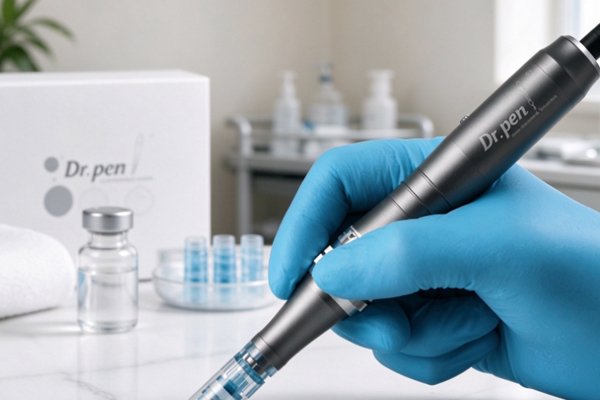
Microneedling pen treatments involve tiny skin punctures, so the assessment conducted beforehand can affect treatment planning, device use, and subsequent recovery. Enlarged pores, rough skin texture, and indented acne scars are only visible signs; the skin’s current tolerance, previous treatment history, and potential risk factors must also be considered. A pre-treatment assessment helps beauty clinics better understand clients’ needs, identify situations in which treatment may be unsuitable, and clarify expected results and precautions.
How Does a Skin Assessment Determine the Suitability of a Microneedling Pen?
The assessment should begin with the client’s main concerns and examine the skin’s condition to determine an appropriate treatment approach. Decisions should not be based solely on pore size or surface roughness.
Identifying the Main Skin Concerns
Different skin conditions require different approaches, and a microneedling pen is not suitable for every skin concern.
- Visible pores: Consider factors such as sebum production and skin elasticity rather than treating microneedling as a method of pore cleansing.
- Indented acne scars: Examine the distribution of depressions and the surrounding skin texture to determine whether further professional assessment is appropriate.
- Redness or irritation: Identify abnormal local skin reactions that could affect treatment safety.
Understanding the client’s primary concerns helps establish a suitable treatment direction and explain the potential role of microneedling.
Examining the Current Skin Condition
The skin’s immediate condition can influence treatment planning, so the assessment should focus on any local abnormalities.
- Checking for inflammation and skin damage: Look for active acne, significant redness or swelling, open wounds, or suspected infection.
- Observing signs of sensitivity: Pay attention to persistent stinging, unusual dryness, flaking, and pronounced redness.
- Checking recovery progress: Assess areas that have recently undergone other skin treatments or have not yet healed.
If any condition could increase treatment risks, the procedure should be postponed and appropriate professional advice sought.
What Personal Risk Factors Should Be Checked Before Treatment?
A visual examination cannot identify every factor that may affect recovery. Discussing the client’s skin history and relevant health information provides a more complete basis for treatment decisions.
Reviewing Skin History and Previous Treatments
A client’s previous skin reactions can help inform the current assessment. Ask whether past treatments caused prolonged redness or swelling, pigmentation changes, or abnormal scarring. Clients with a tendency toward abnormal scarring or a history of wound-healing problems should have their risks assessed by a qualified professional. Recent skin procedures and currently used products or medications should also be reviewed. Gathering this information in advance helps prevent important details from being overlooked and makes treatment planning more appropriate for individual needs.
Identifying Situations That Require Postponement
Certain skin conditions or health factors may increase the risks associated with skin punctures and require careful consideration.
- Active infection or significant inflammation: Microneedling should not be performed on affected areas.
- Skin that has not healed: Allow the skin to recover and arrange a professional assessment based on the circumstances.
- Factors that may affect blood clotting or wound healing: Consult a qualified healthcare professional rather than deciding independently whether treatment is appropriate.
Recognizing these limitations helps prevent procedures from being performed under unsuitable conditions.
How Do Assessment Results Affect a Microneedling Pen Treatment Plan?
A skin assessment does more than determine treatment arrangements. It also influences the target areas, device settings, and expected outcomes. The treatment plan should be developed by appropriately qualified and trained personnel based on the assessment results and device instructions.
Developing a Treatment Plan for Individual Needs
Treatment arrangements should reflect the skin’s condition and the device’s requirements. The same settings should not be applied to every client.
- Defining treatment areas: Identify areas suitable for further assessment and treatment based on the main skin concerns and local condition.
- Following device instructions: Set the device according to product requirements and professional judgment. Bleeding volume and irritation intensity should not be used as measures of effectiveness.
- Adjusting treatment arrangements: Postpone the procedure or reassess clients whose risks remain unclear or whose skin condition is unsuitable.
Individualized planning helps reduce unnecessary irritation and makes treatment arrangements more appropriate.
Explaining Expected Results and Potential Reactions
Before treatment, clients should understand the scope of microneedling, recovery requirements, and possible reactions. Microneedling may improve certain indented acne scars and skin texture concerns, but it cannot guarantee that pores will disappear completely. Temporary redness, tightness, and dryness may also occur. Recording the skin changes that need monitoring provides a reference for follow-up assessments. Clearly explaining treatment goals and limitations helps clients develop realistic expectations.
How Can Beauty Clinics Establish a Standardized Pre-Treatment Assessment Process?
Beauty clinics should incorporate skin assessments into their standard service procedures rather than relying solely on an operator’s observations at the time of treatment. Clear records and defined procedures help improve consistency across services.
Maintaining Complete Assessment Records
Standardized records preserve essential information about the client’s initial condition and support subsequent communication and follow-up.
- Recording the client’s main concerns: Document the issues they want to address, their expected outcomes, and their previous treatment history.
- Documenting skin condition: With the client’s consent, record the skin’s pre-treatment appearance appropriately and protect personal information.
- Recording assessment conclusions: Document identified risk factors, reasons for postponement, and recommendations for follow-up.
Complete records help reduce information gaps and provide a clearer basis for treatment decisions.
Incorporating Assessment Findings into Service Management
Assessment results should directly influence treatment arrangements and connect with subsequent care.
- Clarifying staff responsibilities: Procedures should be performed by personnel with appropriate training and qualifications.
- Establishing postponement procedures: If an infection, significant inflammation, or another risk is identified, suspend treatment and arrange an appropriate assessment.
- Providing recovery guidance: Offer aftercare advice based on the procedure and skin condition, and explain how to respond to abnormal reactions.
Applying assessment findings throughout each stage of service helps establish a more standardized treatment process.
The purpose of a pre-treatment skin assessment is to understand the client’s actual skin condition, identify potential risks, and develop an appropriate treatment plan. Through structured consultation, risk screening, and recordkeeping, beauty clinics can reduce unsuitable procedures and help clients better understand treatment limitations and recovery requirements. Guangzhou Cosnext Technology Co., Ltd. provides beauty industry clients with information about microneedling equipment, helping clinics understand device configurations and potential applications.