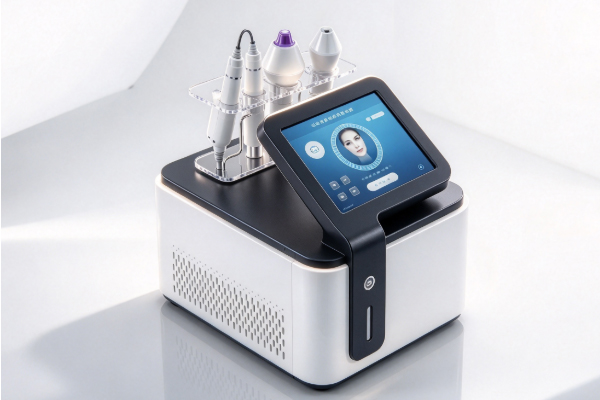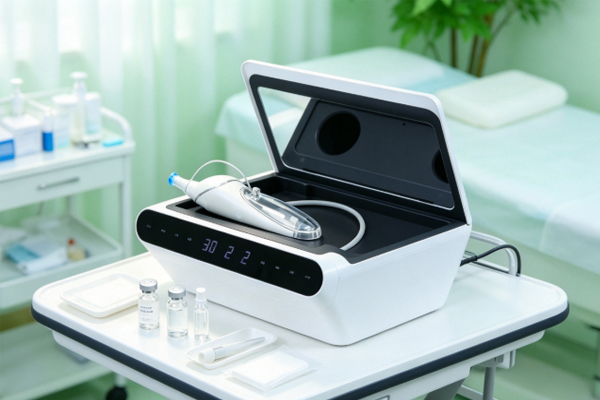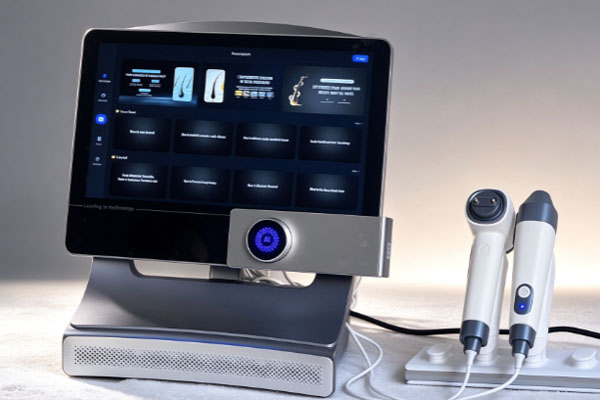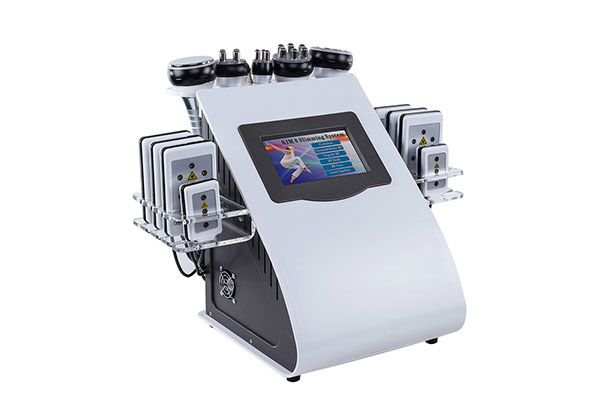
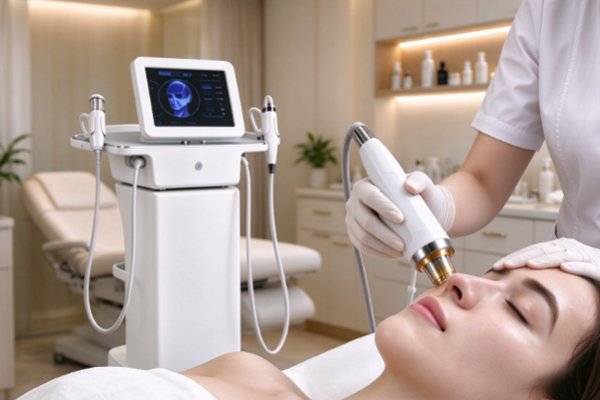
A professional RF microneedling machine combines microneedling technology with radiofrequency energy and is designed for selected skin treatment applications in professional aesthetic settings. As medical aesthetic clinics increasingly prioritize equipment performance, operational efficiency, and safety management, buyers need to look beyond appearance and price when selecting a device. Important considerations include energy control, needle configuration, parameter adjustment, user interface design, and maintenance support. A well-equipped device can help trained professionals follow standardized operating procedures and select appropriate treatment parameters according to the device’s authorized indications and individual client needs. However, RF microneedling machines vary in technical design, intended uses, and available features. Buyers should evaluate each device according to their clinic’s service requirements, staff qualifications, and applicable medical device regulations.
Precise Radiofrequency Energy Control and Stable Output
Radiofrequency energy control is one of the most important technical features of a professional RF microneedling machine. The device delivers RF energy through microneedles into targeted tissue, and its output parameters influence thermal effects and tissue responses during treatment. Professional equipment should provide clear parameter settings and stable output control, allowing trained practitioners to operate the device according to the manufacturer’s instructions and the applicable treatment protocol.
When evaluating a machine, clinics should review its RF frequency, output power range, energy adjustment method, and relevant control mechanisms. They should also confirm that the technical documentation is complete and that the specifications are consistent with the device’s authorized indications.
Stable output does not mean that higher energy is always better. Appropriate settings depend on the treatment area, skin condition, needle configuration, and individual tolerance. Equipment suppliers should clearly explain the meaning of each output parameter, operating limitations, and maintenance requirements so buyers can make informed decisions about product performance.
Adjustable Needle Depth and Needle Configuration
The microneedle system determines how the device contacts the skin and delivers radiofrequency energy to the target tissue. A professional RF microneedling machine should offer needle cartridges that match its intended design and applications, with clearly specified needle types, suitable treatment areas, adjustment ranges, and replacement requirements. Adjustable depth settings can provide trained practitioners with greater operational flexibility, but all settings must comply with the manufacturer’s instructions and applicable clinical standards. Needle depth alone should not be used to judge the overall performance of a device.
- Needle depth adjustment: Some machines allow practitioners to adjust needle penetration depth within a specified range. Buyers should check adjustment accuracy, control methods, and operating conditions to determine whether the equipment meets their intended service requirements.
- Needle cartridge design: Needle arrangement, cartridge structure, and skin-contact design can influence workflow. Buyers should verify cartridge specifications, compatible models, and replacement procedures to avoid compatibility problems after purchase.
- Single-use consumable management: For needle cartridges designed for single use, confirm packaging requirements, storage conditions, expiration dates, and supply availability. These components must be used according to the manufacturer’s instructions and must not be reused when reuse is prohibited.
- Treatment area compatibility: Skin characteristics and operating requirements can vary by body area. Clinics should confirm the device’s authorized treatment areas and avoid assuming that the indications for one model automatically apply to another.
A well-designed needle system supports operational convenience while also affecting hygiene management, consumable budgets, and long-term equipment usability. Before purchasing, clinics should confirm that needle cartridges are reliably available, clearly labeled, and supported by appropriate inspection and replacement procedures.
User-Friendly Interface and Treatment Parameter Management
A professional RF microneedling machine should have a clear and intuitive user interface that helps trained operators monitor device status, set permitted parameters, and identify operating prompts. For clinics that perform professional skin treatments regularly, a well-designed interface can reduce confusion during setup and support more consistent workflows.
Different models may use touchscreens, physical buttons, or a combination of control methods. Buyers should evaluate whether the displayed information is complete, parameter values are easy to read, settings are straightforward to adjust, and necessary warning messages are available.
Some devices may also offer preset programs, parameter management, operating records, or usage information displays. The actual features should always be verified against the manufacturer’s technical documentation. Automated programs cannot replace professional judgment. Preset parameters must remain within the device’s permitted operating range and should be selected according to a qualified professional’s assessment.
Before the machine enters service, operators should complete appropriate training and understand startup procedures, parameter settings, emergency stopping, cleaning, routine maintenance, and responses to abnormal operating conditions. This preparation helps reduce risks associated with unfamiliarity or incorrect operation.
Safety Protection and Hygiene Management
RF microneedling machines involve both needle penetration and radiofrequency energy delivery, making safety design a critical purchasing consideration. Professional equipment should incorporate safety controls appropriate to its technical design and provide clear operating instructions, warnings, and maintenance requirements. During procurement, clinics should review relevant electrical safety documentation, energy output control mechanisms, procedures for responding to equipment abnormalities, and the manufacturer’s hygiene requirements for needle cartridges and skin-contact components. Specific safety features vary by model, and buyers should not assume that every device offers the same protections without supporting documentation.
- Abnormal status alerts: Check whether the device can display fault codes, operating errors, or cartridge connection problems. Confirm that the manufacturer provides troubleshooting instructions for these conditions.
- Energy output management: Verify that the machine includes output controls and operating limits appropriate to its design. Understand how to stop operation safely and contact technical support if an abnormal condition occurs.
- Cartridge recognition and connection checks: If a device includes cartridge recognition or connection monitoring, review the intended functions and limitations. These features should not be treated as guarantees that operational risks have been eliminated.
- Cleaning and infection control: Confirm the cleaning and disinfection requirements for the handpiece, contact components, and needle cartridges. Follow the instructions for use and strictly manage components that are designated for single use.
- Operator training and documentation: Maintain records of staff training, equipment maintenance, and abnormal events. Ensure that relevant personnel understand the required procedures and can respond appropriately to equipment issues.
Equipment safety depends on the combined effectiveness of appropriate design, qualified operators, proper hygiene procedures, and suitable client assessments. Clinics should prioritize suppliers that provide transparent technical documentation, complete quality records, and ongoing service support.
Maintenance, After-Sales Support, and Equipment Evaluation
The long-term performance of a professional RF microneedling machine depends not only on its technical features but also on maintenance convenience, consumable availability, and after-sales service. Buyers should review routine inspection requirements, recommended maintenance intervals, replacement schedules for wear components, and equipment repair procedures. They should also confirm whether the supplier provides professional operator training, technical assistance, and access to replacement parts.
If the device requires proprietary needle cartridges or other consumables, clinics should calculate the cost per treatment, review supply lead times, confirm product compatibility, and verify purchasing channels. These checks can help prevent service interruptions caused by consumable shortages after installation.
Clinics should also verify the product’s registration or authorization status, manufacturer identity, intended uses, and relevant quality documentation. The equipment must comply with local regulations governing medical device sales and use. Imported devices may require additional documentation or import and distribution approvals, depending on the jurisdiction.
A structured purchasing assessment should consider device functionality, actual service requirements, expected utilization, staffing, consumable expenses, and after-sales support rather than comparing prices or advertised specifications alone. A systematic evaluation makes it easier for clinics to select equipment that matches their business scale and operational capabilities while supporting reliable long-term use.