
A microneedling pen is a beauty device that uses electrically driven microneedles for skin care. It is commonly used for skin texture improvement, fine line care, acne scar management, and professional skin care treatments. The device creates controlled microchannels in the skin through rapid reciprocating needle movements, using mechanical stimulation to initiate the skin’s natural repair process. Since the procedure involves the skin barrier, proper operating procedures, needle hygiene, parameter settings, and post-treatment skin care are all essential. In practice, faster needle movement and greater penetration depth do not necessarily produce better treatment results. Skin thickness, sensitivity, and recovery capacity vary across different areas. Improper needle depth settings, repeated treatment of the same area, or the use of needles that do not meet hygiene requirements may cause bleeding, redness, swelling, infection, hyperpigmentation, and scarring.
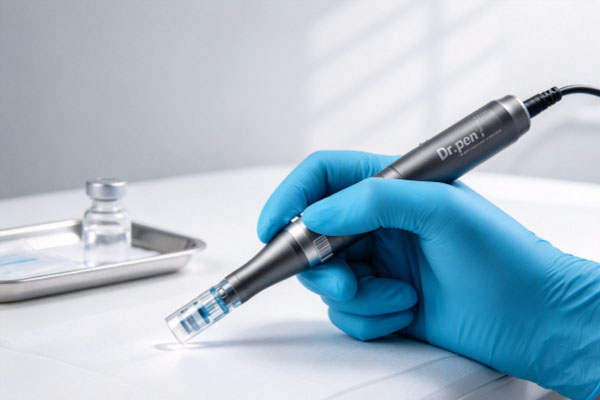
Therefore, operators need to understand the device manual, receive appropriate professional training, and develop suitable treatment plans based on the device’s intended use and the individual’s skin condition. Every step, from pre-treatment skin assessment to needle control during the procedure and post-treatment observation and guidance, must follow clearly defined requirements. Procedures involving the dermis or other invasive techniques should be performed by appropriately qualified professionals under suitable conditions. Experience with home-use beauty devices should not be directly applied to professional microneedling treatments.
Preparations Before Using a Microneedling Pen
Assess Skin Condition and Treatment Suitability
Before using a microneedling pen, assess the individual’s skin condition, previous skin care treatments, allergy history, and relevant health conditions. The intended treatment area should also be checked for abnormalities. Skin assessment helps determine whether microneedling is appropriate and whether the procedure should be postponed or the individual referred to a medical professional. Microneedling should be avoided on areas with obvious infections, active inflammation, open wounds, or active herpes outbreaks. Individuals with a tendency to develop abnormal or excessive scarring, coagulation disorders, immune dysfunction, or current use of medications that may affect blood clotting or wound healing should also undergo professional assessment beforehand. Not all risks can be identified through visual inspection of the skin alone.
Inspect the Device and Sterile Consumables
Before treatment, confirm that the microneedling pen’s power supply, handpiece, needle connection, and depth adjustment mechanism are functioning properly. Check that the needle packaging is intact and that the product has not expired. Needles must be compatible with the device model and used as sterile, single-use consumables according to product requirements.
Device inspection: Confirm that the motor operates normally, adjustment functions remain stable, and the needle cartridge is securely installed without obvious looseness or abnormal vibration.
Consumable inspection: Check the sterile packaging, expiration date, and product labeling. Do not use needles with damaged packaging or those that have not been stored under the required conditions.
Environment preparation: Clean the treatment area and prepare appropriate skin cleansing products, personal protective equipment, and post-treatment supplies. Keep cleaning supplies separate from used consumables.
Proper Operating Procedures During Microneedling
Set Appropriate Needle Depth and Operating Parameters
Needle depth, operating speed, and treatment technique should be determined according to the device design, treatment purpose, treatment area, and individual’s skin condition. Needle depth scales and actual output may vary between devices, so parameters from other models should not be applied directly. Needle depth should not be increased without authorization to achieve a more noticeable immediate response. Extra caution is required when treating areas around the eyes, the forehead, and other areas where the skin is thin or sensitive. If the device manual does not explicitly support treatment of a particular area or the use of a specific technique, do not attempt it independently. Treatments involving deeper penetration must follow applicable professional standards and be performed by qualified personnel.
Maintain Stable Movements and Control Repeated Stimulation
During treatment, maintain an appropriate movement speed and contact technique according to the device instructions. Avoid keeping the needle in one position for too long or repeatedly overstimulating the same area. The needle cartridge must be installed and used as instructed. Do not remove it or adjust its connecting components arbitrarily while the device is operating. Operators should continuously monitor the skin’s response. If significant pain, abnormal bleeding, rapidly worsening redness or swelling, or other unusual reactions occur, stop the procedure immediately and conduct an appropriate assessment. Heavy bleeding or severe pain should never be considered indicators of effective treatment.
Post-Treatment Skin Care and Device Handling
Provide Appropriate Post-Treatment Skin Care
After microneedling, the skin barrier may be temporarily compromised, resulting in mild redness, warmth, or sensitivity. Follow professional operating protocols to provide appropriate post-treatment skin care. Avoid products that have not been confirmed as suitable, and do not independently combine multiple highly irritating skin care ingredients.
Gentle care: Use mild products suitable for the skin’s current condition. Avoid rubbing, scratching, or repeatedly touching the treated area.
Sun protection: During skin recovery, use physical sun protection and appropriate sunscreen, following the care recommendations provided by a qualified professional.
Avoid irritating treatments: Temporarily avoid exfoliation, strong acid-based products, irritating beauty treatments, and other procedures that may worsen skin discomfort. The appropriate recovery period depends on the treatment depth and the skin’s response.
If pain continues to worsen, significant swelling, purulent discharge, fever, or an unusual rash develops, seek medical assessment promptly rather than continuing treatment independently.
Clean the Device and Dispose of Needles Properly
After using the microneedling pen, turn off the device before removing and handling the needle cartridge according to the manufacturer’s instructions. Single-use needles must not be cleaned and reused. Dispose of them in a puncture-resistant sharps container that meets local requirements. Clean and disinfect the main unit and handpiece using manufacturer-approved methods, preventing liquid from entering the motor, circuitry, or connection ports. Remember that cleaning, disinfection, and sterilization are different procedures. Needles that directly penetrate the skin must meet the applicable sterility requirements, while reusable components must have clear reprocessing instructions. Proper equipment handling helps reduce the risk of cross-contamination and prevents damage caused by inappropriate cleaning.
Frequently Asked Questions
Is Mild Bleeding Normal When Using a Microneedling Pen?
Whether bleeding occurs depends on the treatment depth, needle design, skin condition, and operating technique. Some professional microneedling procedures may produce pinpoint bleeding, but this does not mean that every treatment should cause bleeding. If bleeding is significant, difficult to stop, or accompanied by severe pain, stop the procedure immediately and seek professional assessment. Do not continue applying repeated stimulation.
Can a Microneedling Pen Be Used Every Day?
Daily use is not recommended without professional guidance. Microneedling stimulates the skin barrier to varying degrees, and the skin needs sufficient time to recover. Appropriate intervals between treatments depend on needle depth, treatment purpose, skin response, and device instructions. There is no single frequency suitable for everyone. Do not perform another treatment before the skin has recovered without a professional assessment.
Can a Microneedling Pen Be Used with All Serums?
No. The channels created by microneedling may change how skin care ingredients enter the skin, and many everyday serums have not been evaluated for safety when used with microneedling. Products containing fragrances, irritating active ingredients, or other substances unsuitable for compromised skin may cause significant irritation. Choose products specifically confirmed as suitable for the intended procedure and follow the guidance provided by the device manufacturer and qualified professionals.
Safe use of a microneedling pen requires a complete procedure covering preparation, treatment, and post-treatment care. Before treatment, assess the skin condition and inspect the device and sterile needles. During the procedure, set appropriate parameters, maintain stable movements, and promptly identify abnormal skin reactions. After treatment, provide suitable skin care, dispose of consumables properly, and clean the device according to the manufacturer’s instructions. When purchasing a microneedling pen, also consider needle specifications, parameter adjustment precision, operating stability, hygiene requirements, and after-sales maintenance support to ensure that the device meets actual treatment needs. Combining proper operating procedures with comprehensive hygiene management helps control usage risks, reduce unnecessary skin irritation, and provide safer and more consistent conditions for professional skin care treatments.





