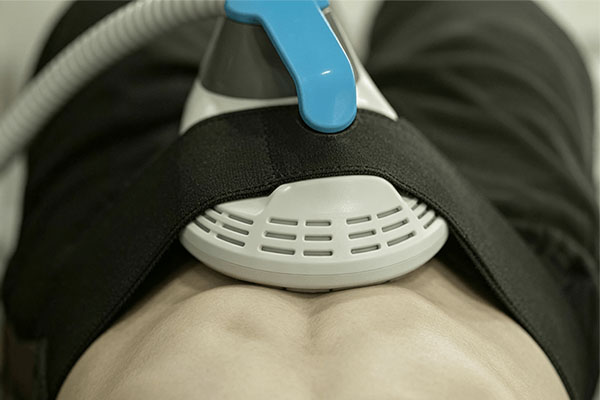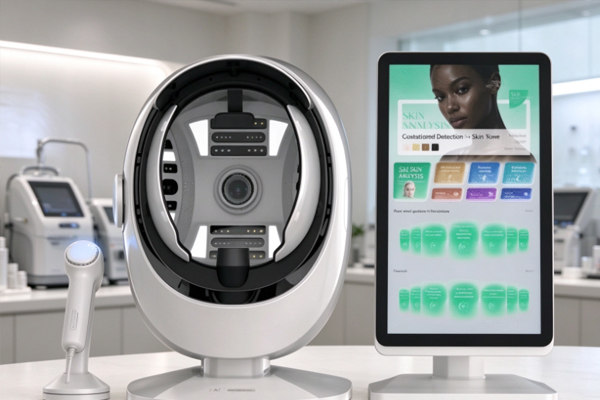
As demand for body contouring and professional beauty treatments continues to grow, body slimming machines have become an important product category for beauty salons, spa centers, and beauty equipment distributors. With different technologies, configurations, and price ranges available, buyers need to evaluate technical specifications, operational efficiency, safety features, and long-term maintenance requirements. For professional beauty equipment procurement, choosing a machine that matches the target market and business needs is more important than simply prioritizing high power or multiple functions.
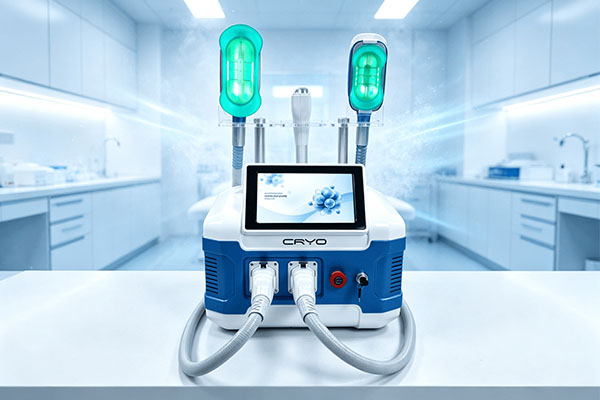
Evaluate the Core Technical Specifications
Working Technology and Energy Output
Different body slimming machines may use radio frequency (RF), ultrasound, vacuum suction, mechanical massage, or electromagnetic stimulation technologies. Before purchasing, buyers should understand the machine’s working principle and review the specifications relevant to its technology.
For example, RF equipment requires careful evaluation of operating frequency, output power, energy adjustment range, and temperature control. Ultrasound devices should be assessed based on operating frequency, acoustic intensity, and output modes. Vacuum-based equipment requires particular attention to vacuum pressure range, adjustment precision, and suction modes.
Technical parameters should not be compared across different technologies without considering their operating principles. Manufacturers should provide complete specifications, supporting test data, and clear information about the intended applications so buyers can determine whether the equipment meets their requirements.
Treatment Modes and Handpiece Configuration
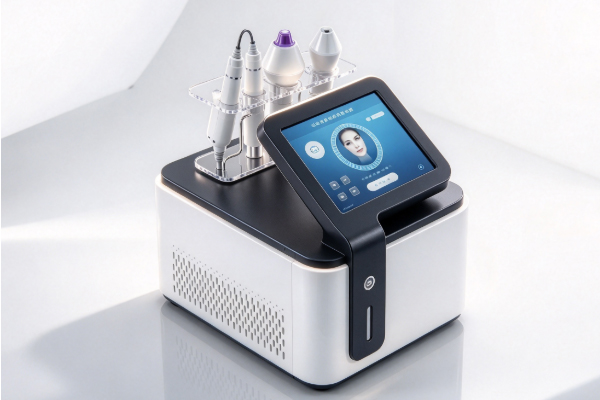
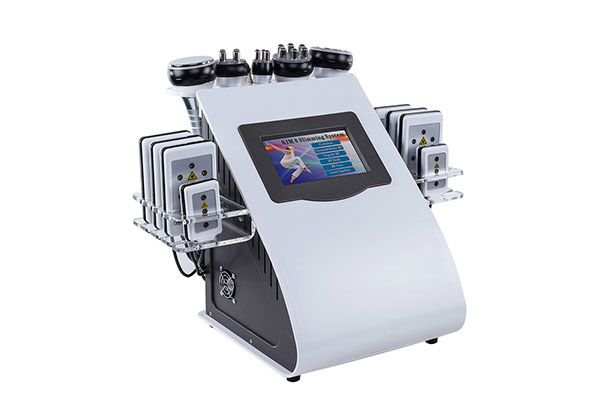
Professional body slimming machines may feature multiple handpieces and treatment modes to accommodate different body areas and service requirements. Buyers should confirm the technology, functions, intended treatment areas, and usage limitations of each handpiece.
Multiple handpieces can expand the machine’s potential applications, but they may also increase training, accessory management, and maintenance requirements. Beauty salons should prioritize practical functions, convenient handpiece replacement, and reliable long-term accessory availability.
Assess Operational Efficiency and Equipment Stability
Parameter Adjustment and Control System
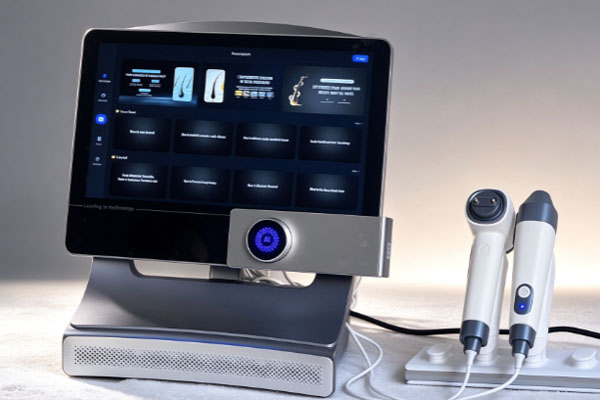
The control system directly affects ease of operation. When evaluating a professional body slimming machine, buyers should examine touchscreen functionality, parameter adjustment precision, preset programs, operating prompts, and the convenience of switching between treatment modes.
A clear interface and standardized operating procedures can simplify staff training and daily management. For equipment distributed across multiple salons or dealer networks, standardized workflows and comprehensive technical documentation are also important considerations.
Continuous Operation and Cooling System
Professional beauty businesses need equipment that supports efficient appointment scheduling and daily operations. Buyers should therefore review rated power, recommended operating cycles, cooling methods, and continuous operation limitations.
If a machine uses water cooling, air cooling, or another cooling system, buyers should confirm maintenance intervals, consumable requirements, and troubleshooting procedures. Features such as overheat protection, fault alarms, and automatic shutdown can also contribute to safer and more reliable operation.
Prioritize Safety Features and Product Quality
Built-In Safety Protection
Depending on the technology used, buyers should check whether the machine includes appropriate temperature monitoring, overload protection, emergency stop functions, and fault notifications. For equipment that delivers energy to the body, it is also important to understand the output control mechanism, intended users, and manufacturer-defined contraindications.
Product claims should never replace proper safety verification. Before placing an order, buyers should request the operating manual, safety instructions, and relevant testing documentation.
Certifications and Quality Management
For equipment intended for import, export, or distribution in specific markets, buyers should verify applicable regulatory requirements, certification documents, and product labeling. Regulations and product classifications may vary by market, so compliance requirements should be confirmed in advance.
Buyers can also assess the manufacturer’s quality control procedures, factory testing, accessory inspections, and product traceability systems to reduce potential delivery and maintenance risks.
Compare Procurement Costs and After-Sales Support
Total Cost of Ownership
The actual cost of purchasing a body slimming machine includes more than the equipment price. Transportation, installation, training, consumables, repairs, and replacement parts should also be considered.
Buyers should estimate long-term operating costs based on expected usage frequency, target customers, and planned service offerings.
For bulk purchasing projects, it is also important to confirm lead times, minimum order quantities, packaging options, and spare parts availability rather than comparing unit prices alone.
OEM/ODM Services and Technical Support
Buyers planning to develop their own brands can explore whether the manufacturer offers OEM/ODM services, including appearance customization, user interface customization, brand logo placement, packaging design, and product development.
However, customization capabilities should be verified for the specific product series and project. Before proceeding, buyers should clarify the available customization options, development timeline, testing standards, and after-sales responsibilities. Long-term access to consumables, technical support, and replacement parts should also be confirmed.
Validate the Final Configuration Before Purchasing
Verify Specifications and Actual Performance
Before placing a formal order, buyers should request product specification sheets, operating videos, test documentation, and detailed quotations. When possible, a sample demonstration can help evaluate ease of operation, operating noise, cooling performance, cleaning requirements, and handpiece replacement.
Select Equipment Based on Business Requirements
Beauty salons should prioritize ease of operation and practical treatment functions. Beauty equipment distributors should also consider product differentiation, accessory availability, training materials, and after-sales support.
For customized projects, buyers should clearly define the target market, brand positioning, and expected order volume before finalizing the configuration.
Conclusion
Choosing a professional body slimming machine requires a comprehensive evaluation of its working technology, core technical specifications, handpiece configuration, control system, safety features, and long-term operating costs.
For professional beauty equipment buyers, working with a manufacturer that provides transparent technical documentation, effective quality control, and reliable after-sales support can help establish a stable business relationship. By verifying specifications, evaluating samples, and carefully assessing suppliers, businesses can select a body slimming machine that better matches their operational needs and supports long-term growth in the professional beauty equipment market.