
Fibroblast Plasma usually refers to technologies known in the aesthetic and medical beauty industry as “Fibroblast Plasma,” “Plasma Fibroblast,” “Plasma Pen,” or “Fibroblast Plasma Pen.” It is not a liquid or injectable substance in the traditional sense. Instead, it generally describes a skin treatment technology that uses plasma energy generated by a specialized device. During operation, a controlled plasma arc is created between the electrode and the skin, producing a localized thermal effect on the skin surface. This controlled energy can create tiny treatment points and trigger the skin’s natural repair response. Some low-power plasma devices are classified by regulators as electrosurgical devices intended for the destruction of skin lesions. However, the regulatory status and approved uses can differ considerably between specific devices and regions.
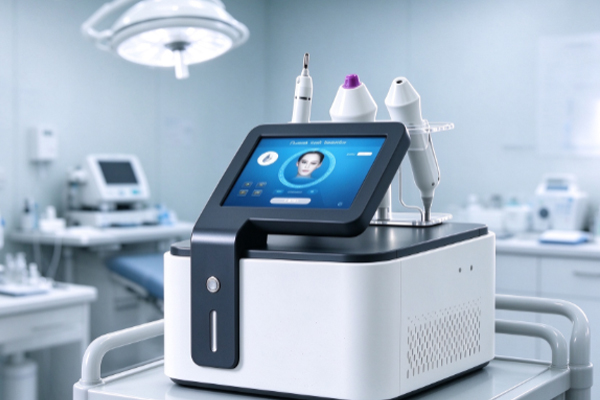
The term “fibroblast” refers to fibroblasts, which are important cells found in connective tissue. Fibroblasts are involved in the production and maintenance of collagen, elastin-related structures, and extracellular matrix components. In the aesthetic industry, plasma devices are frequently associated with fibroblast activity, collagen remodeling, and skin tightening. However, different plasma devices use different energy systems, operating parameters, indications, and treatment methods. Therefore, the term “Fibroblast Plasma” should not automatically be interpreted as meaning that every device has the same mechanism, performance, or approved application.
How Does Fibroblast Plasma Work?
The basic principle of Fibroblast Plasma technology is the generation of a controlled plasma arc using electrical energy. When the device is activated, a small discharge area can form between the applicator and the skin. The surrounding gas becomes ionized and enters a plasma state, allowing energy to be concentrated in a small treatment area. Some technical descriptions characterize this process as producing controlled superficial thermal effects or tiny points of skin damage, after which the skin undergoes its natural repair process.
The equipment normally consists of a main control unit, power system, handpiece, applicator or electrode, and user interface. Depending on the model, the device may allow operators to adjust energy output, pulse settings, or operating modes. Actual treatment results can be affected by energy level, exposure time, applicator distance, skin condition, treatment area, and operator technique. As a result, the rated power of a device alone cannot be used to determine its practical performance.
Fibroblast Plasma also differs from conventional injectable aesthetic procedures. It does not rely on injecting a filler or other material into the skin. Instead, it uses externally delivered energy to create a localized thermal effect. Because the skin is exposed to controlled energy, the procedure should not be regarded as ordinary skincare. The specific device instructions, approved indications, operating requirements, and professional standards should be followed carefully.
Common Applications of Fibroblast Plasma
Fibroblast Plasma devices are commonly marketed in the aesthetic industry for applications such as skin tightening, the appearance of fine lines, and localized skin conditioning. Some products and aesthetic clinics use these systems on areas of the face, around the eyes, and on selected areas of the body. Regulatory records have included plasma-based devices promoted for superficial skin effects and cosmetic applications. However, marketing claims from manufacturers or clinics should be distinguished from indications formally authorized by a regulatory agency.
Common applications may include:
- Fine-line treatment: Some devices are marketed for localized treatment of visible fine lines around the forehead, eye area, and face.
- Localized skin tightening: Controlled thermal effects may produce superficial tissue contraction and subsequent repair responses, which is why some aesthetic procedures use plasma devices for skin-tightening treatments.
- Periocular applications: Certain plasma devices are marketed for use around the eyelids and crow’s feet. However, the skin around the eyes is thin and anatomically sensitive, requiring careful parameter selection and professional operation.
- Skin texture improvement: Some aesthetic providers use plasma-based devices as part of treatments intended to improve the visible texture and condition of localized skin areas.
- Treatment of specific skin lesions: Certain appropriately authorized low-power plasma devices may be used for destruction of specific skin lesions or electrosurgical procedures. These medical applications should be distinguished from cosmetic skin-tightening procedures.
The permitted use of medical and aesthetic devices varies between countries and regions. When purchasing a Fibroblast Plasma device, buyers should verify the specific model’s registration status, certification, indications, operating instructions, and permitted applications rather than relying solely on the term “Fibroblast Plasma.”
What Are the Features of Fibroblast Plasma Devices?
Fibroblast Plasma devices commonly use a handheld design that allows operators to target relatively small treatment areas. Compared with some large multifunctional aesthetic systems, certain plasma pens are compact and designed for localized operation. This has contributed to their popularity in the aesthetic equipment market. However, the actual performance of each device depends on its plasma generator, electrode structure, energy-control system, software, and other technical components.
When selecting a Fibroblast Plasma device, buyers can pay attention to the following factors:
- Energy control: Stable energy output is important for consistent operation. Buyers should check whether the equipment provides clear and controllable energy settings.
- Applicator design: Different applicators may be designed for different treatment areas. Applicator shape, material, and operating distance can influence practical use.
- User interface: A clear display and straightforward parameter controls can help trained professionals operate the equipment according to the manufacturer’s instructions.
- Safety features: The equipment should incorporate electrical and operational safety features appropriate for its intended use and should be supplied with detailed operating instructions.
- Product certification: Buyers should verify the registrations, certifications, product classification, and legally permitted applications required in the target market.
- After-sales support: Medical and aesthetic equipment is intended for continued use, making spare parts, technical support, maintenance, training, and service capabilities important considerations.
For aesthetic clinics and medical equipment distributors, it is not enough to confirm that a device can generate plasma. The specific model’s authorized purpose and regulatory status should also be verified. Different plasma products can have different regulatory classifications, and authorization for one medical or aesthetic use does not automatically authorize the same device for every other cosmetic application.
What Should Be Considered When Using Fibroblast Plasma Devices?
Safety is an important consideration because Fibroblast Plasma involves energy delivery and thermal effects on the skin. Operators should use the device according to its manufacturer’s instructions, approved indications, and applicable regulations. A compact handheld design does not mean that the device should be treated like an ordinary home skincare product. Aesthetic clinics should also verify local requirements regarding operator qualifications, device registration, treatment indications, and professional practice.





