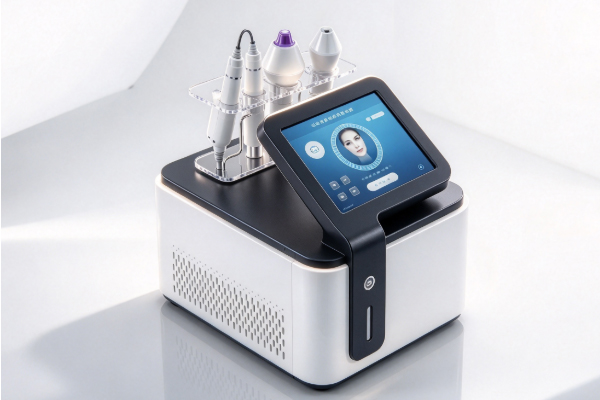
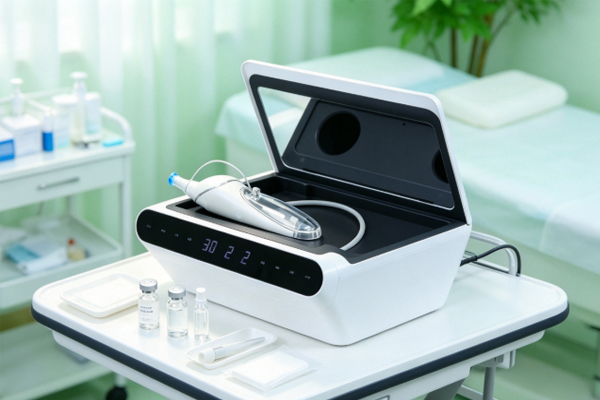
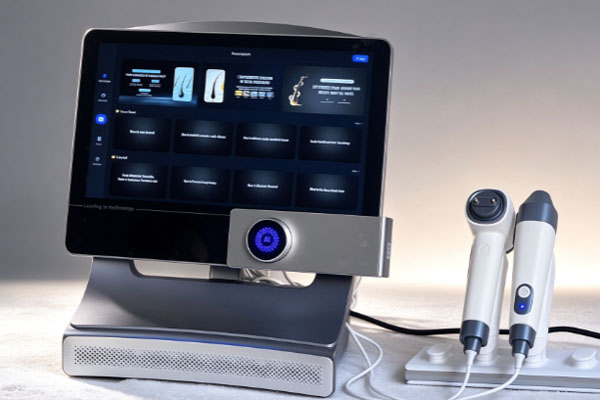
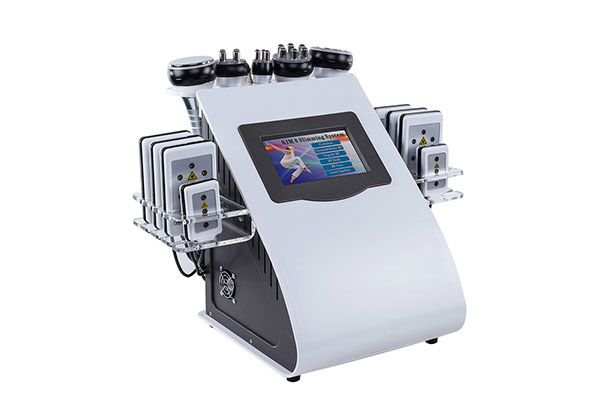
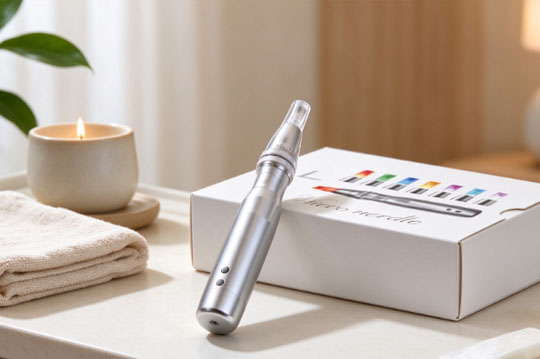
A Microneedling Pen is a beauty care device that uses microneedling technology to improve skin condition. It uses an electric drive system to move the needles vertically at high speed, creating uniform and tiny microchannels on the skin surface. During operation, the microneedles provide controlled stimulation to the skin, triggering the skin’s natural repair process while improving the penetration efficiency of certain skincare ingredients. The core principles of a microneedling pen mainly include mechanical stimulation, skin repair response, and ingredient absorption assistance. Compared with traditional manual microneedling tools, a microneedling pen can control the movement speed and penetration depth of the needles through a motor system, making the stimulation process more stable. According to different skincare requirements, the device can adjust needle parameters to provide targeted care for the skin, making it widely used in beauty treatments, skin management, and professional skincare programs.
How a Microneedling Pen Creates Skin Stimulation Through Needle Movement
The Electric Drive System Controls Precise Needle Movement
A microneedling pen is equipped with an internal motor drive system. After the device is activated, the motor drives the needle cartridge to move up and down at high speed, allowing the needles to contact the skin at a fixed frequency. Through this movement method, the needles can create evenly arranged microchannels on the skin surface. Compared with traditional roller-type microneedling devices, the main difference of a microneedling pen lies in the needle movement direction and control method. The vertical electric movement can reduce horizontal pulling of the skin while allowing the stimulation depth to be adjusted according to device settings, making the treatment process more precise.
High-Speed Needle Vibration: The motor drives the needles to move rapidly up and down, allowing the microneedles to work evenly across the skin area.
Depth Adjustment Function: The needle penetration depth can be adjusted according to different skin areas and treatment requirements.
Stable Operation Mode: Fixed-frequency movement can reduce uneven stimulation caused by manual operation.
Microchannel Stimulation Promotes Natural Skin Repair
When a microneedling pen operates, the needles create numerous tiny microchannels in the skin surface. These stimulations do not cause large-scale skin damage but activate the skin’s natural repair process within a controllable range. After receiving mild stimulation, the skin begins a repair response, promoting the production of collagen and elasticity-related components, gradually improving skin structure. This is also an important reason why microneedling technology is used for fine line care, skin texture improvement, and firming treatments.
Stimulating Repair Response: The small stimulation produced by microneedles can activate the skin’s self-regulation process.
Promoting Collagen Production: The repair process can promote collagen-related production activities.
Improving Skin Condition: Long-term and standardized care can help improve skin firmness and smoothness.
How a Microneedling Pen Improves Skincare Ingredient Absorption Efficiency
Microchannels Improve the Conditions for Ingredients to Enter the Skin
The stratum corneum on the skin surface provides a protective function and can prevent external substances from entering deeper tissues. Although this barrier protects the skin, it can also reduce the absorption efficiency of certain skincare ingredients. The microchannels created by a microneedling pen can temporarily change the condition of the skin surface, allowing some skincare ingredients to contact the skin area more easily and improving the utilization efficiency of treatment products.
Reducing Barrier Resistance: Microchannels can help certain ingredients come into better contact with the skin.
Improving Treatment Efficiency: When combined with suitable skincare products, the absorption effect during treatment can be enhanced.
Supporting Skin Management: It is commonly used in professional beauty treatment procedures to improve the overall skincare experience.
Different Treatment Requirements Require Different Parameter Settings
Microneedling pens usually feature needle depth adjustment, speed control, and level adjustment functions, allowing parameters to be changed according to different treatment areas. Skin thickness varies across different body areas, so suitable operating settings need to be selected. For example, different facial areas have different tolerance levels for stimulation. During professional operation, suitable parameters are usually selected according to skin conditions to avoid excessive stimulation.
Needle Depth Adjustment: Select an appropriate stimulation level according to the treatment area.
Speed Adjustment: Control the needle movement frequency to improve operational stability.
Area Adaptation: Different skin areas require different treatment methods.
Core Structural Components That Enable Microneedling Pen Treatment Effects
Microneedle Cartridges Affect Stimulation Performance
The microneedle cartridge is an important component that directly acts on the skin. It is usually composed of multiple fine needle bodies. The number of needles, material, and arrangement design can affect the stimulation range and treatment experience. High-quality needle cartridges require good manufacturing precision to ensure stable needle movement while reducing irregular stimulation during operation.
Precision Needle Manufacturing: Ensures more stable needle movement during operation.
Multi-Needle Arrangement Design: Improves stimulation uniformity within the treatment area.
Hygiene and Safety Requirements: Needle cleanliness and replacement should be considered during use.
The Motor System Determines Device Operation Stability
The motor is an important component that enables automated operation of the microneedling pen. It controls the needle movement speed and range of motion. A stable motor system ensures that the needles operate according to preset parameters, improving consistency throughout the treatment process. Some professional microneedling pens also include intelligent control functions, allowing stable output and reducing operational errors.
Stable Power Output: Maintains continuous and regular needle movement.
Operation Precision Control: Improves device stability during use.
Treatment Parameter Management: Makes it easier to adjust device settings according to different treatment requirements.
Why Does a Microneedling Pen Need Needle Depth Adjustment?
Different skin areas have different thicknesses, and treatment goals also vary. Therefore, a microneedling pen needs to provide needle depth adjustment functions. Proper adjustment of needle depth allows the device to better adapt to different treatment requirements while improving operational comfort.
A Microneedling Pen controls the regular movement of microneedles through an electric drive system, creating controllable microchannels on the skin surface and using the skin’s natural repair mechanism to achieve skincare effects. Its working process relies not only on the mechanical stimulation produced by the needles but also on the assistance of improved skincare ingredient absorption after microchannel formation, making skin treatments more precise. The performance of a microneedling pen is closely related to needle design, motor stability, operating parameters, and treatment procedures. Different device specifications can adjust needle depth and movement speed according to treatment requirements to meet the usage needs of different skin areas. During use, selecting suitable equipment, controlling operating parameters properly, and maintaining good hygiene conditions are important factors for ensuring treatment safety and stability.